
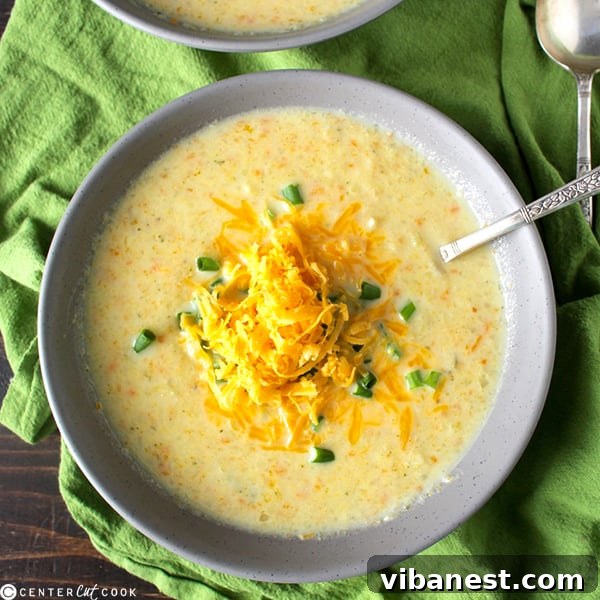

Embrace Taste Not Waste: How Broccoli Stalks Transform into a Delicious Ranch Cheese Soup
In a world increasingly conscious of its environmental footprint, embracing sustainable practices in our daily lives has never been more crucial. I am incredibly proud and excited to collaborate with Hidden Valley Ranch on their groundbreaking Taste Not Waste program. This powerful initiative seeks to heighten awareness about the alarming prevalence of food waste and actively champions the utilization of produce that might be conventionally dismissed as “imperfect”—be it misshapen, slightly wilted, or just visually unconventional. For far too long, perfectly edible fruits and vegetables have been prematurely relegated to the trash bin, perpetuating a cycle of waste that impacts our planet and our pockets. My own journey towards a more conscious and less wasteful kitchen began several years ago, sparking a commitment to seek out these “unloved” and “unperfect” treasures in the grocery aisles. From spotted apples to uniquely curved peppers, I’ve discovered that true deliciousness and nutritional value lie far beyond superficial appearances.
Tackling the Global Challenge of Food Waste: A Call to Action
The statistics surrounding food waste are undeniably sobering and demand our immediate attention. Globally, an astonishing one-third of all food produced for human consumption is either lost or wasted each year, translating to approximately 1.3 billion tons. Closer to home, the figures are equally alarming: a significant portion—up to 28% of the produce purchased by households—ultimately finds its way into landfills. This isn’t merely an unfortunate oversight; it represents a profound ecological and economic crisis. Food waste in landfills generates potent greenhouse gases like methane, significantly contributing to climate change. It also squanders immense resources—water, land, and energy—used in cultivation, harvesting, and transportation. Furthermore, it results in billions of dollars in lost revenue for farmers and wasted money for consumers. Much of this waste stems from stringent aesthetic standards imposed by retailers, leading to perfectly edible, nutrient-rich produce being discarded before it even reaches the shelves. By understanding the true scope of this problem, we are empowered to make small, yet impactful, shifts in our daily habits to foster a more sustainable and equitable food system.
Embracing the Beauty of Imperfection: The Power of ‘Ugly’ Produce
My personal commitment to reducing food waste deepened dramatically when I began to actively seek out what many refer to as “ugly” or “imperfect” produce. Initially, this felt like a quiet act of rebellion against the often-pristine and somewhat artificial displays found in conventional supermarkets. Why should a perfectly ripe apple with a minor blemish or a bell pepper with an unconventional shape be deemed undesirable? The undeniable truth is that these superficial imperfections have absolutely no bearing on the food’s exquisite flavor, robust nutritional profile, or inherent freshness. In fact, embracing “ugly” produce offers a multitude of benefits: it often comes at a more accessible price point, directly supports farmers by reducing their losses, and, most crucially, diverts perfectly good food from being needlessly discarded. This shift in perspective compels us to look beyond cosmetic flaws and appreciate the intrinsic value of every single fruit and vegetable. This changed mindset has profoundly influenced my approach to grocery shopping and cooking, inspiring greater creativity and significantly diminishing waste with every ingredient I bring into my kitchen.
From Discarded Stalks to Delicious Soup: A Culinary Transformation Story
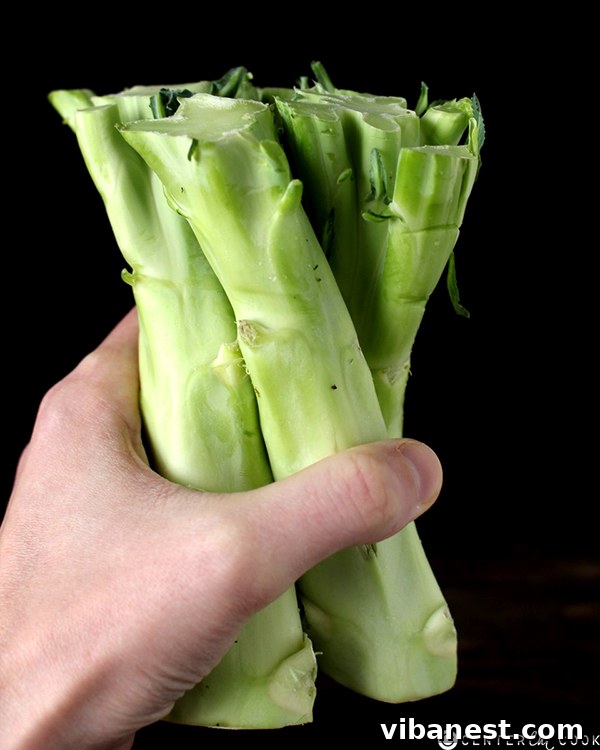
Among the various food items I once routinely discarded without a second thought, the robust broccoli stalk always triggered a twinge of guilt. Our household consumes a considerable amount of broccoli each week, and it was a recurring frustration to realize that a substantial portion of it—those thick, nutrient-dense stalks—was consistently ending up in the compost or trash. This became the focal point of my personal “Taste Not Waste” challenge. What if these often-overlooked stalks, frequently perceived as merely fibrous and unappealing, could be reinvented into something truly extraordinary? Far from being mere waste, broccoli stalks are packed with essential nutrients, including fiber, Vitamin C, and various beneficial compounds, often in concentrations comparable to, or even higher than, the florets. They possess a mild, slightly earthy flavor that lends itself beautifully to a variety of culinary applications, from roasting to stir-frying. With a dash of culinary creativity, these neglected parts can be transformed into the star of a meal, preventing valuable food waste and adding incredible depth of flavor. This realization paved the way for my delicious and sustainable solution: a lightened-up Broccoli Ranch Cheese Soup, proudly featuring those very stalks!
Crafting the Ultimate Broccoli Ranch Cheese Soup: A Flavorful and Mindful Meal
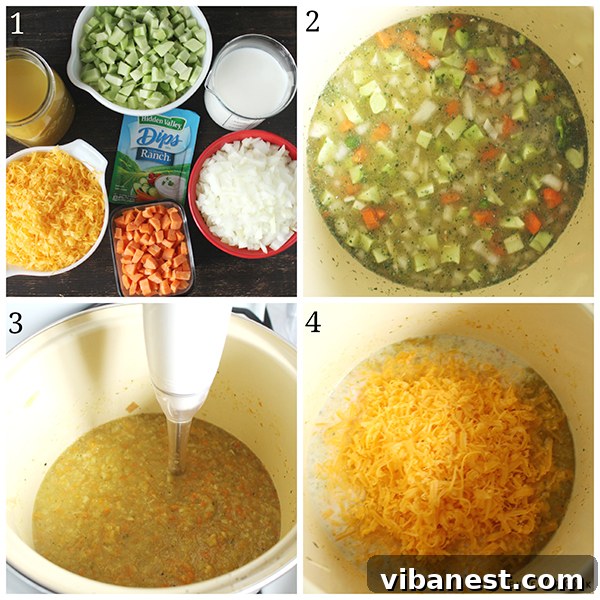
This Broccoli Ranch Cheese Soup is more than just a recipe; it’s a flavorful declaration that resourcefulness and sustainability can culminate in truly exceptional cuisine. It’s wonderfully cheesy, indulgently creamy, and profoundly comforting—making it an ideal dinner option for any season, particularly during colder months or festive holidays when a little extra warmth and wholesome goodness are deeply appreciated. While the soup does involve some initial preparation—chopping the broccoli stalks, carrots, and onion, and critically, grating the cheese—the beauty of this recipe is that much of this prep work can be completed well in advance. Imagine the ease of arriving home after a hectic day, knowing that a nourishing and delicious dinner can be on the table in mere minutes because your vegetables are already prepped and ready! This makes it an excellent candidate for meal planning and ensures a remarkably smooth and efficient cooking experience.
The Secret to Silky Smoothness: Always Grate Your Own Cheese
Allow me to emphasize one particularly crucial tip for achieving that exquisitely creamy, utterly non-grainy soup texture: always, always grate your own cheese. This seemingly minor detail makes a colossal difference in the final product. Pre-shredded, bagged cheeses, while convenient for some applications, typically contain anti-caking agents such as cellulose or potato starch. These additives are designed to prevent clumping but, unfortunately, also inhibit smooth, uniform melting. The result in a hot soup can often be a grainy, gritty, or clumpy texture that diminishes the overall quality. Devoting just a few extra minutes to grate a block of high-quality cheddar yourself will reward you with a velvety, luscious consistency that elevates the entire dish to a gourmet level. Trust me—your palate, and the luxurious texture of your soup, will undoubtedly thank you for this small but significant effort!
When it comes to the soup’s final texture, you have the flexibility to tailor it to your preference. Personally, I favor using an immersion blender to achieve a silky-smooth consistency, which imparts a luxurious mouthfeel reminiscent of classic cream soups. However, if you lean towards a heartier, more rustic soup with delightful textural variety, you can certainly opt to blend less thoroughly, leaving some of the vegetables in small, tender pieces. Or, if a chunky vegetable soup is your ideal, you could even skip the immersion blender step altogether. The adaptability of this recipe allows you to customize it perfectly for your family’s tastes, making it a versatile addition to your culinary repertoire.
Hidden Valley Ranch: A Committed Partner in the Fight Against Waste
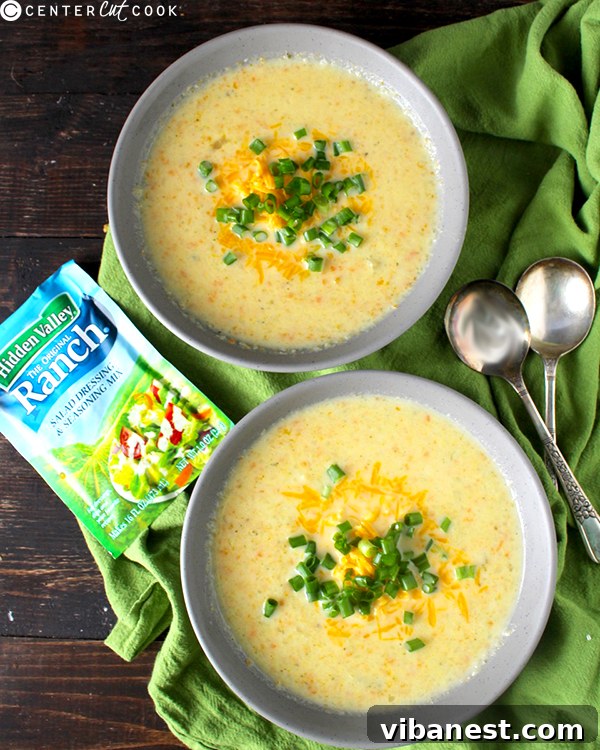
Hidden Valley Ranch’s involvement extends far beyond simply enhancing the flavor of your vegetables; they are profoundly dedicated to a much larger and more impactful mission: fundamentally reshaping our collective perception of what “perfect” produce truly entails. Their unwavering commitment to the “Taste Not Waste” program is more than mere advocacy; it’s a tangible effort to make a difference. To further champion this vital cause and actively support initiatives aimed at combating food insecurity, Hidden Valley is proudly releasing Limited Edition bottles of their iconic Hidden Valley® Original Ranch®. These uniquely designed bottles are currently being offered for auction on eBay, and every single cent of the proceeds generated from these auctions will directly benefit Great Nations Eat©, a distinguished organization committed to addressing hunger and promoting sustainable food practices across the nation. This presents an extraordinary opportunity not only to acquire a distinct piece of brand history but also to contribute meaningfully to a truly vital and impactful cause. I wholeheartedly encourage everyone to click here to explore the auction and enthusiastically place your bid!
To delve deeper into the comprehensive Hidden Valley Ranch “Taste Not Waste” initiative and uncover even more inspiring and practical strategies for minimizing food waste in your own household, I highly recommend visiting their dedicated Taste Not Waste website. This valuable resource offers a wealth of insightful information, actionable tips, and useful resources specifically designed to empower you to make a tangible and positive difference. Furthermore, stay abreast of their latest news, program updates, and a veritable treasure trove of innovative and delicious recipes by following Hidden Valley across their vibrant social media channels:
Beyond the Soup Bowl: Practical Tips for Cultivating a Zero-Waste Kitchen
This delightful soup recipe is just one compelling example of how we can fundamentally rethink our relationship with food and transform what was once considered waste into culinary gold. My sincere hope is that it has inspired you to view that less-than-perfect piece of fruit or vegetable—whether at the grocery store or nestled in your refrigerator—with a newfound appreciation. Every time we consciously choose to utilize an ingredient that might otherwise be discarded, we’re not merely preparing a meal; we are making a profound statement—a powerful commitment to sustainability, mindfulness, and a healthier planet. The creative possibilities within a zero-waste kitchen are truly boundless! Consider transforming carrot tops into a vibrant pesto, repurposing potato peels into crispy, flavorful snacks, or simmering vegetable scraps and herb stems into a rich, homemade broth. Simple yet effective practices such as diligent meal planning, employing proper food storage techniques, and understanding the nuances between “best by” and “use by” dates can dramatically curtail household waste. It’s about empowering ourselves to be innovative, resourceful, and deeply conscious consumers, one ingredient, one meal, and one sustainable choice at a time. Join the movement: #TasteNotWaste
This is a sponsored conversation written by me on behalf of Hidden Valley. The opinions and text are all mine.