
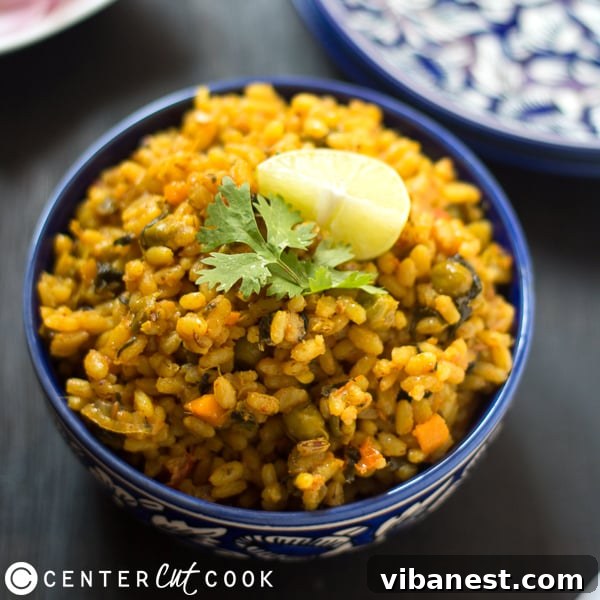
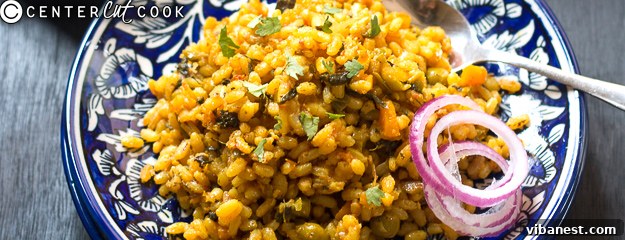
Easy & Healthy One-Pot Vegetarian Brown Rice Pilaf: Your New Weeknight Favorite
In today’s fast-paced world, finding recipes that are both convenient and nutritious can feel like a quest. As a busy couple, we continuously seek out culinary gems that are not only wholesome but also simplify our lives with minimal cleanup. This Easy, One-Pot Vegetarian Brown Rice Pilaf has become a cherished staple in our home for precisely these reasons. It’s a dish so satisfying and flavorful that we often prepare extra, eagerly anticipating the delightful leftovers for lunch the following day. It perfectly embodies the harmony of health, flavor, and sheer simplicity.
This vibrant pilaf isn’t just a meal; it’s an experience that caters to both your taste buds and your schedule. Forget juggling multiple pots and pans; this recipe consolidates all the magic into a single vessel, allowing you more time to relax and less time scrubbing dishes. Whether you’re a seasoned cook or new to the kitchen, this brown rice pilaf promises a rewarding culinary journey with every savory bite.
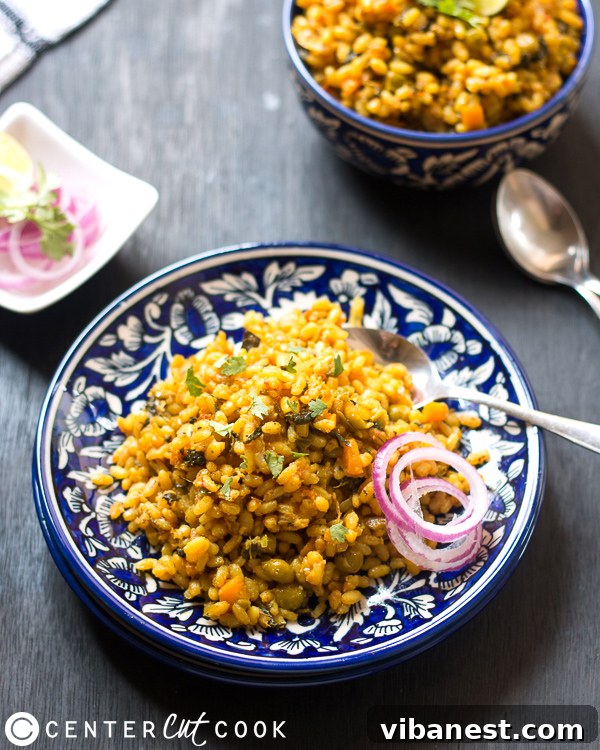
The Rich Heritage and Versatility of Pilaf (Pulao)
A pilaf, or pulao as it’s known in many parts of the world, is a timeless rice dish deeply embedded in the culinary traditions of Indian, Middle Eastern, and Central Asian homes. Its origins can be traced back centuries, evolving into countless regional variations, each boasting its unique blend of spices, ingredients, and cooking techniques. What makes pilaf truly remarkable is its incredible versatility. It serves as a blank canvas for a myriad of flavors, allowing for endless customization to suit any palate or dietary preference.
While our recipe focuses on a hearty vegetarian version, the traditional concept of pilaf often embraces various additions. You can seamlessly incorporate different types of meat like chicken or lamb, enrich it with a medley of nuts for added texture and richness, or even introduce fish for a distinct seafood twist. Interestingly, the concept of pilaf isn’t confined to savory preparations alone. In some cultures, you’ll find exquisite sweet versions, where ingredients like sugar, delicate saffron, creamy milk, and finely chopped nuts transform this humble rice dish into a luxurious dessert, a testament to its broad appeal and adaptability.
This particular rendition with brown rice and an abundance of fresh vegetables is crafted to be a powerhouse of nutrition, making it an excellent choice for a wholesome lunch or a fulfilling dinner. It stands proudly as a complete meal on its own, offering a balanced profile of complex carbohydrates, fiber, and essential vitamins. Alternatively, its robust flavors and satisfying texture make it an exceptional side dish, complementing rich curries or grilled proteins beautifully. Its adaptability truly makes it a universal crowd-pleaser.
Why Choose Brown Rice for Your Pilaf? Unlocking Flavor and Nutrition
While white rice often takes center stage in many pilaf recipes, opting for brown rice elevates this dish to new heights, both in flavor and nutritional value. Brown rice is a whole grain, meaning it retains its bran and germ layers, which are typically removed during the processing of white rice. These layers are packed with dietary fiber, essential B vitamins, magnesium, selenium, and iron. This makes brown rice a superior choice for those seeking to enhance their intake of whole grains and boost their overall health.
It’s true that brown rice generally requires a longer cooking time compared to its white counterpart. However, the wait is undeniably worth it. The distinct nutty flavor and slightly chewy texture of brown rice add a wonderful depth and character to the pilaf that white rice simply cannot replicate. This inherent nuttiness beautifully complements the aromatic spices and savory vegetables in the dish, creating a more complex and satisfying eating experience. Furthermore, the higher fiber content in brown rice contributes to greater satiety, helping you feel fuller for longer and aiding in digestive health. Making the switch to brown rice in this pilaf is not just a healthy choice; it’s a flavorful upgrade that will redefine your perception of a simple rice dish.
The Allure of One-Pot Meals: Efficiency Meets Flavor
The “one-pot” approach isn’t just a trend; it’s a culinary philosophy that champions efficiency without compromising on taste. For busy individuals and families, one-pot meals like this brown rice pilaf are a game-changer. The most obvious benefit is the significant reduction in cleanup – fewer dishes mean more free time for relaxation or other activities. But the advantages extend far beyond just convenience.
Cooking all ingredients together in a single pot allows their flavors to meld and deepen harmoniously. As the spices bloom, the vegetables soften, and the rice absorbs the rich broth, each component contributes to a more integrated and complex flavor profile. This slow infusion of tastes results in a dish that often tastes more robust and cohesive than meals prepared with individual components. Moreover, it’s an excellent way to consolidate nutrients, as all the goodness from the vegetables, spices, and grains remains within the pot, enriching every spoonful. This one-pot brown rice pilaf is a shining example of how simple cooking methods can yield extraordinary results, making healthy eating accessible and enjoyable for everyone.
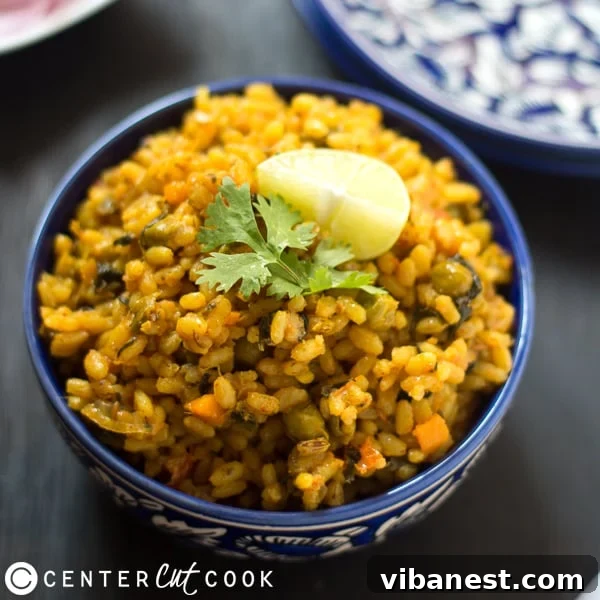
Recipe: Wholesome One-Pot Vegetarian Brown Rice Pilaf
INGREDIENTS
- 1 cup Brown Rice (preferably long-grain for fluffier results)
- 2 cups Vegetable Broth (or water, for a lighter flavor)
- 2 tablespoon Olive Oil (or any neutral cooking oil)
- 1 Bay Leaf (essential for aromatic depth)
- 1 small Cinnamon stick (adds a subtle warmth)
- 1/2 teaspoon Minced Garlic (freshly minced offers the best flavor)
- 1/2 teaspoon Minced Ginger (balances the garlic beautifully)
- 1 Jalapeno, finely chopped (remove seeds for less heat, if preferred)
- 1 medium sized Onion, finely chopped (forms the base of the flavor)
- 1 large Tomato, finely chopped (adds sweetness and acidity)
- 1/2 teaspoon Turmeric Powder (for color and earthy notes)
- 1 teaspoon Coriander Powder (a staple for aromatic richness)
- 1/2 teaspoon Chili Flakes (adjust to your spice preference)
- 1 teaspoon Cumin Powder (essential for that classic pilaf aroma)
- 1 cup chopped Mixed Vegetables (e.g., Mushrooms, Carrots, Green Beans, Broccoli, Bell Peppers, Peas – choose what you love!)
- Salt to taste (season generously, but mindful of broth sodium)
- Fresh Coriander (Cilantro), chopped, for garnish
DIRECTIONS
- Prepare Your Base: In a large, heavy-bottomed pot or Dutch oven, heat the olive oil over medium heat. Once shimmering, add the bay leaf and cinnamon stick. Sauté for about 30 seconds until fragrant, releasing their essential oils into the hot oil.
- Aromatic Foundation: Add the minced ginger, garlic, finely chopped jalapeños, and chopped onions to the pot. Stir-fry gently, allowing the onions to soften and become translucent, which typically takes 5-7 minutes. Be careful not to brown them too much, as this can alter the final flavor.
- Spice Integration: Once the onions are ready, stir in the finely chopped tomatoes. Cook for 2-3 minutes, pressing down gently with your spoon to help them break down. Then, add all the dry spice powders: turmeric, coriander, chili flakes, and cumin. Continue to cook for another 1-2 minutes, stirring constantly, until the spices are fragrant and well-integrated with the tomato-onion mixture. This step is crucial for “blooming” the spices and releasing their full flavor.
- Toast the Rice: Add the brown rice to the pot. Stir well to ensure every grain is coated with the aromatic spice mixture. Toast the brown rice for 3-4 minutes over medium heat. This crucial step helps to bring out the nutty flavor of the brown rice and prevents it from becoming too sticky, ensuring a fluffier pilaf.
- Add Liquids and Vegetables: Now, add your chopped mixed vegetables and salt to taste. Pour in the vegetable broth (or water). Give everything a gentle stir to combine. Bring the mixture to a boil.
- Simmer to Perfection: Once boiling, reduce the heat to low, cover the pot tightly with a lid, and let it simmer undisturbed for 35-40 minutes. Avoid lifting the lid during this time, as trapped steam is essential for cooking the brown rice evenly. The brown rice should be tender and all the liquid absorbed. If, after this time, the rice isn’t fully cooked and all the water has evaporated, add a small amount of additional water (about 1/4 to 1/2 cup), re-cover, and continue to simmer for another 5-10 minutes until the rice is perfectly cooked through.
- Rest and Serve: Once cooked, turn off the heat and let the pilaf rest, covered, for another 5-10 minutes. This resting period allows the steam to redistribute, resulting in a more evenly cooked and fluffier texture. Fluff gently with a fork before serving.
- Garnish and Enjoy: Garnish generously with freshly chopped coriander (cilantro) and serve hot. This pilaf is wonderful on its own or as a hearty side.
Tips for the Perfect Brown Rice Pilaf Every Time
Achieving a perfectly fluffy and flavorful brown rice pilaf is simple with a few key techniques. Firstly, **rinse your brown rice** thoroughly under cold water before cooking. This helps remove excess starch, preventing the rice from becoming overly sticky. While brown rice is known for its texture, rinsing can make a noticeable difference. Secondly, **don’t skimp on the toasting step**. Toasting the dry rice grains in oil before adding liquid seals in their nutty flavor and helps them cook up individually, rather than clumping together.
Another crucial tip is **resisting the urge to lift the lid** during the simmering process. The trapped steam is vital for evenly cooking brown rice, which can be a bit more stubborn than white rice. Every time you peek, you release valuable steam and prolong the cooking time. Once cooked, **let the pilaf rest** off the heat, still covered, for at least 5-10 minutes. This allows the grains to firm up and absorb any remaining moisture, ensuring a lighter, fluffier texture. Finally, use a fork to gently fluff the rice before serving, separating the grains without mashing them.
Creative Variations and Serving Suggestions
This One-Pot Vegetarian Brown Rice Pilaf is incredibly adaptable. To increase the protein content, consider adding a can of drained and rinsed chickpeas, red lentils, or cubes of pan-fried paneer or tofu alongside the other vegetables. For a different flavor profile, a squeeze of fresh lime juice just before serving adds a bright, zesty finish that cuts through the richness of the spices. You can also experiment with different spice blends – a pinch of garam masala at the end can add another layer of traditional Indian flavor.
When it comes to serving, this pilaf is wonderfully versatile. It makes a complete and satisfying meal on its own, perhaps accompanied by a simple side of plain yogurt or a refreshing cucumber-mint raita to cool the palate. It also pairs beautifully with a variety of other dishes: serve it alongside your favorite lentil curry (dal), a rich vegetable korma, or a fresh green salad for a balanced meal. For a quick weeknight option, a dollop of your favorite pickle or chutney can elevate the experience. Don’t hesitate to get creative and make this dish truly your own!
Storage and Reheating for Delicious Leftovers
One of the many joys of this one-pot brown rice pilaf is how well it stores, making it an ideal candidate for meal prepping. Allow any leftovers to cool completely at room temperature before transferring them to an airtight container. Store the pilaf in the refrigerator for up to 3-4 days. To reheat, you can gently warm it in the microwave, adding a tablespoon or two of water or broth to help rehydrate the rice and prevent it from drying out. Stir occasionally until heated through. Alternatively, reheat it in a covered pot on the stovetop over low heat, again adding a splash of liquid, until thoroughly warm.
Embrace the Simplicity and Savor the Flavor
This Easy, One-Pot Vegetarian Brown Rice Pilaf is more than just a recipe; it’s a testament to the fact that wholesome, delicious food doesn’t have to be complicated or time-consuming. It’s a dish that brings together the robust health benefits of brown rice with the aromatic depth of traditional pilaf spices and the freshness of seasonal vegetables, all cooked in a single pot. It’s a perfect solution for those busy evenings when you crave something nourishing, flavorful, and incredibly satisfying without the fuss.
So, we encourage you to try this recipe and make it your own. Experiment with your favorite vegetables, adjust the spice levels to suit your taste, and discover the sheer joy of creating a gourmet-quality meal with minimal effort. Share this delightful pilaf with your loved ones, or simply enjoy it as a comforting, healthy treat for yourself. We’re confident it will earn a permanent spot in your weekly dinner rotation, just as it has in ours. Happy cooking!