
Authentic Korean Tofu Stew (Sundubu Jjigae): A Flavorful Journey to Comfort
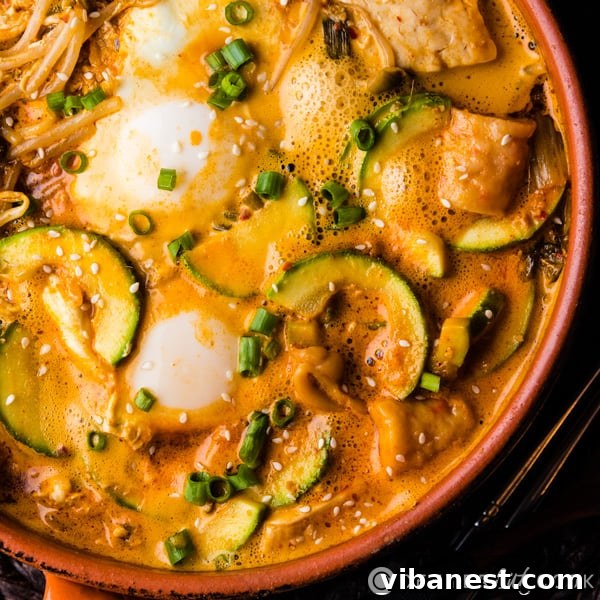
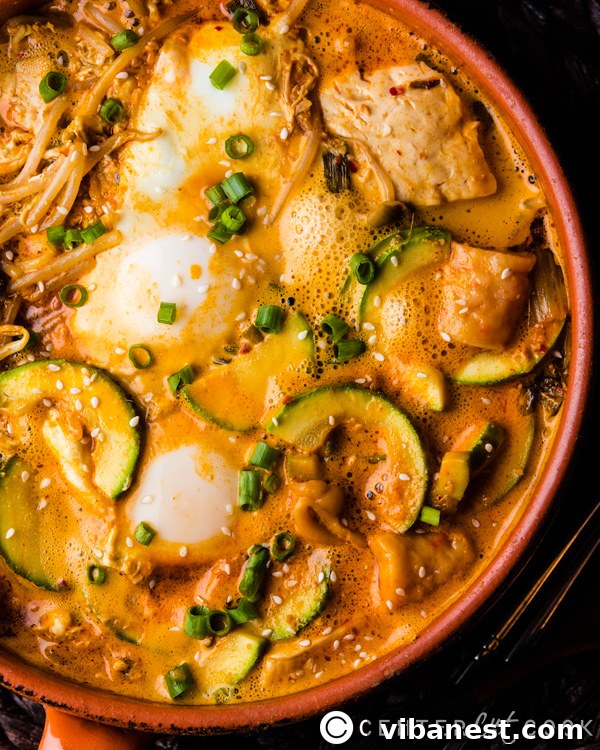
There’s a special kind of warmth that only a steaming bowl of **Korean Tofu Stew**, affectionately known as **Sundubu Jjigae**, can bring. As the air chills and seasons change, my thoughts invariably turn to this boldly flavored, incredibly appetizing dish. It’s more than just a meal; it’s a culinary hug, a potent elixir that can chase away the cold and satisfy the deepest cravings. Many have savored its rich depths at Korean restaurants and wondered, “What secret ingredients create such an unforgettable broth, packed with so much umami and a perfect balance of spice?” The answer, my friends, lies in two foundational pillars of Korean cuisine: doenjang and gochujang.
These two fermented pastes are not just ingredients; they are the very soul of authentic Korean cooking, responsible for the complex umami and the vibrant heat that define so many beloved dishes. Far from being intimidating, mastering their use is the key to unlocking the true potential of your homemade Korean tofu stew, transforming it from a simple meal into an extraordinary culinary experience. Get ready to impress your taste buds and those of your family and friends with this incredibly satisfying recipe.
The Essential Flavors: Unlocking the Depth of Korean Tofu Stew
To truly understand the magic behind an authentic Korean Tofu Stew, we must first delve into the world of its star ingredients: doenjang and gochujang. These fermented pastes are not merely flavor enhancers; they are the very essence of Korean culinary tradition, imparting layers of depth and character that are impossible to replicate with anything else. They are the backbone of flavor, creating a broth that is both hearty and profoundly delicious.
Doenjang: The Savory Foundation
Doenjang, often referred to as Korean fermented soybean paste, is a marvel of traditional food preservation and flavor development. Crafted from fermented soybeans and brine, it undergoes a natural aging process that meticulously develops its distinctive salty, earthy, and profoundly savory flavor profile. While it shares some superficial similarities with Japanese miso, doenjang possesses a bolder, more rustic character, often with a slightly coarser texture and a more pronounced umami punch. This robust flavor makes it an indispensable ingredient for stews and soups, providing a rich, fermented base that is both comforting and incredibly satisfying. Beyond its critical role in stews, doenjang is a fantastic, versatile addition to marinades, dipping sauces (such as ssamjang), and vegetable stir-fries, offering a healthful boost of probiotics and essential nutrients, contributing to a balanced diet.
Gochujang: The Spicy Heartbeat
Then there’s Gochujang, the iconic Korean fermented hot pepper paste. This vibrant, reddish-brown paste is a symphony of flavors: pungently spicy from Korean chili powder (gochugaru), subtly sweet from glutinous rice or barley malt powder, and deeply savory from fermented soybeans. Its unique aroma and complex taste profile make it one of the most beloved and versatile condiments in Korean cuisine. From its use in spicy marinades for popular dishes like bulgogi and bibimbap to its starring role in dipping sauces and, of course, fiery, comforting stews like Sundubu Jjigae, gochujang adds an irresistible kick and a beautiful depth of color. I always ensure a jar of gochujang is stocked in my refrigerator; it’s a true game-changer for countless dishes. Whether you’re cooking a cheesy kimchi pancake or kimchi fried rice, adding even a teaspoon can elevate the dish to new heights of flavor and authenticity.
With these two powerful, aromatic ingredients – doenjang and gochujang – securely in your pantry, you are more than halfway to crafting a truly delicious and authentic Korean tofu stew. They provide the fundamental flavor architecture upon which you can build a personalized, unforgettable meal that will transport you straight to the heart of Korea.
Crafting Your Perfect Bowl of Korean Tofu Stew: Customization is Key
One of the most appealing aspects of cooking **Korean Tofu Stew** is its incredible flexibility. The recipe provided below serves as an excellent foundational guideline, but it’s designed to be adapted and customized to your personal taste preferences and what you have readily available in your kitchen. Don’t hesitate to make this stew uniquely your own!
Aromatics: The Foundation of Flavor
I believe a generous hand with fresh aromatics lays the groundwork for any truly great stew. My preference is to use a harmonious trio of freshly grated **ginger, thinly sliced or minced garlic, and vibrant green onions**, chopping them finely to ensure they release their most potent fragrances and flavors. However, if you only have one or two on hand, that’s perfectly fine; each contributes its unique character. Ginger adds a warm, zesty, slightly pungent note, garlic provides a pungent, savory depth, and green onions offer a mild, oniony sweetness that brightens the overall profile. Sautéing these aromatics in butter or a neutral oil creates a profoundly fragrant base that will infuse the entire stew with an enticing, irresistible aroma from the very first step.
Kimchi: The Tangy Boost (Optional, but Highly Recommended!)
For me, **kimchi** is an absolute must-have in Korean Tofu Stew. Its signature fermented tanginess and subtle, evolving spice add another layer of complexity and a wonderful depth of flavor that complements the doenjang and gochujang perfectly. The older and more sour the kimchi, the more robust its contribution to the stew will be, developing a deeper umami. If you’re new to kimchi or prefer a milder flavor profile, you can certainly reduce the amount or omit it entirely. However, I highly encourage you to try it; it’s a signature element that truly makes the stew sing with authentic Korean taste.
Protein Power: Your Choice, Your Stew
While this recipe traditionally shines with seafood, the choice of protein is entirely yours, allowing for endless variations. I often use a mix of seafood – perhaps succulent shrimp, tender clams, sweet mussels, or even delicate squid – to impart a delicate brininess and an extra layer of umami to the chicken stock base. However, feel free to substitute with any protein you prefer. Thinly sliced **beef (such as brisket or short rib), rich pork belly, or lean chicken breast** are all excellent alternatives, each bringing its own unique texture and flavor to the dish. For a truly satisfying vegetarian option, consider adding extra hearty mushrooms (like shiitake or oyster) or even plant-based meat substitutes. The key, if using meat, is to brown it early on to build foundational flavor.
Vegetables: Freshness, Texture, and Nutrition
Towards the end of the cooking process, adding fresh vegetables not only boosts the nutritional value but also introduces delightful textures and vibrant colors. While **zucchini and bean sprouts** are classic choices, don’t limit yourself! I find that thinly sliced **napa cabbage, fresh spinach, or a variety of mushrooms** (such as earthy shiitake, delicate enoki, or meaty oyster mushrooms) are all incredibly delicious additions. They cook quickly and absorb the rich flavors of the broth beautifully, adding a wholesome, invigorating touch to your stew. This step allows for immense creativity, enabling you to use seasonal vegetables or whatever you have on hand.
Embrace the freedom to experiment with these components. Each time you make this stew, you can discover new favorite combinations, making it a truly personal and consistently satisfying dish. I genuinely hope you find as much joy in preparing and savoring this magnificent **Authentic Korean Tofu Stew (Sundubu Jjigae)** as I do! It’s a versatile, comforting, and incredibly flavorful meal that you’ll want to make again and again.
Authentic Korean Tofu Stew (Sundubu Jjigae) Recipe
INGREDIENTS
- 2 tablespoons unsalted butter (or cooking oil for a dairy-free option)
- 1 teaspoon grated fresh ginger
- 4 cloves garlic, thinly sliced or minced
- 2 green onions (or 1 small white onion), chopped, with whites and greens separated
- 2 tablespoons doenjang (Korean fermented soybean paste)
- 1 tablespoon gochujang (Korean hot pepper paste)
- 1 cup aged kimchi, chopped (optional, but highly recommended for authentic depth)
- 2 cups mixed seafood (e.g., shrimp, clams, mussels, squid) or 200g (about 7 oz) meat of your choice (thinly sliced beef, pork belly, or chicken breast)
- 2 cups unsalted chicken stock (or vegetable stock for a vegetarian option; traditional anchovy stock for a deeper Korean flavor)
- 2 teaspoons granulated sugar (to balance the spice and acidity of the pastes)
- 1 block (about 12-14 oz / 340-400g) soft or silken tofu, gently chopped into large, irregular pieces
- 1 small zucchini, seeded and chopped into half-moon slices
- 2 cups fresh bean sprouts (mung bean sprouts are ideal)
- 2 large eggs
- Optional garnishes: a drizzle of sesame oil, extra chopped green onions, a sprinkle of toasted sesame seeds
DIRECTIONS: A Step-by-Step Guide to Flavorful Sundubu Jjigae
- Prepare the Aromatic Base: In a medium-sized Dutch oven or a heavy-bottomed pot, melt the butter (or heat cooking oil) over medium heat. Once melted and shimmering, add the grated ginger, sliced garlic, and the white parts of the chopped green onion. Sauté, stirring frequently, for about 1 to 2 minutes until incredibly fragrant and slightly softened. Be careful not to burn the garlic, as this can make it bitter.
- Bloom the Pastes: Reduce the heat to low-medium. Add the doenjang and gochujang to the pot. Stir continuously for 1 to 2 minutes, allowing these powerful fermented pastes to “bloom” with the aromatics. This crucial step helps to deepen their complex flavors and release their full aromatic potential, creating a truly richer, more profound base for your stew. The mixture should become very fragrant and slightly darkened.
- Introduce Kimchi (if using): If adding kimchi, stir it into the paste mixture. Continue to cook for another 2 to 3 minutes, allowing the kimchi to soften slightly and meld its tangy, spicy notes with the fermented pastes. This builds yet another layer of complex, umami-rich flavor that is characteristic of authentic Korean stews.
- Cook the Protein: Add your chosen protein (mixed seafood or thinly sliced meat) to the pot. If using seafood, stir gently until it’s just cooked through and opaque. If using meat, stir-fry until it’s nicely browned on all sides. This locks in the savory flavors and creates a delicious texture before introducing the liquid.
- Simmer the Broth: Pour in the chicken stock and add the sugar and the gently chopped soft tofu. Stir everything carefully to combine, being mindful not to break up the delicate soft tofu too much. Bring the mixture to a rolling boil over medium-high heat. Once boiling, immediately reduce the heat to low, cover the pot, and let it simmer gently for 10 to 15 minutes. This essential step allows all the incredible flavors to fully meld and the tofu to absorb the delicious, aromatic broth.
- Add Remaining Vegetables: After the initial simmer, add the zucchini and bean sprouts to the pot. Stir gently once more, cover, and continue to simmer for another 2 to 3 minutes, or until the vegetables are tender-crisp. You want them cooked but still retaining a slight bite for pleasant texture.
- Finish with Eggs: Carefully crack the eggs directly into the stew, spacing them apart within the bubbling broth. You can either leave them whole for a runny yolk (perfect for mixing into the rice later) or gently break them up for a more integrated, scrambled texture. Cover the pot and cook for another 2 to 4 minutes, or until the eggs are cooked to your desired doneness (from soft and runny to fully set).
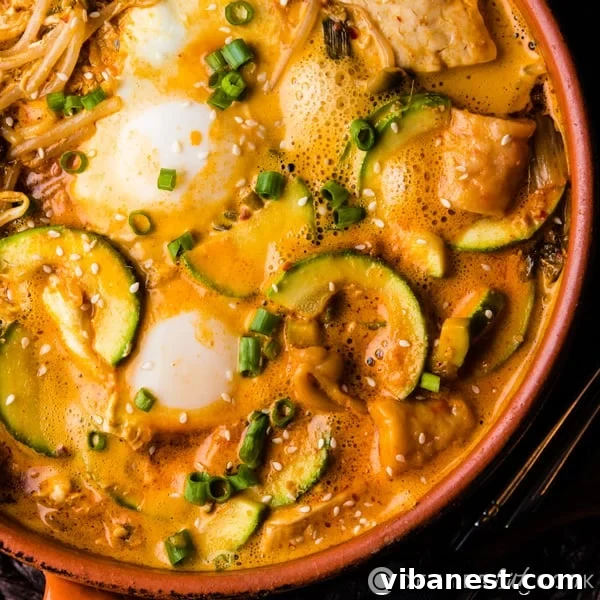
- Serve Immediately: Ladle the piping hot Korean Tofu Stew into individual bowls, ensuring each serving gets a generous portion of soft tofu, your chosen protein, vibrant vegetables, and a perfectly cooked egg. Garnish with the remaining chopped green onions and a drizzle of sesame oil for an extra layer of aroma, if desired. Serve immediately with freshly steamed white rice and your favorite banchan (Korean side dishes) for a complete and incredibly satisfying meal. Enjoy the warmth and incredible depth of flavor!