
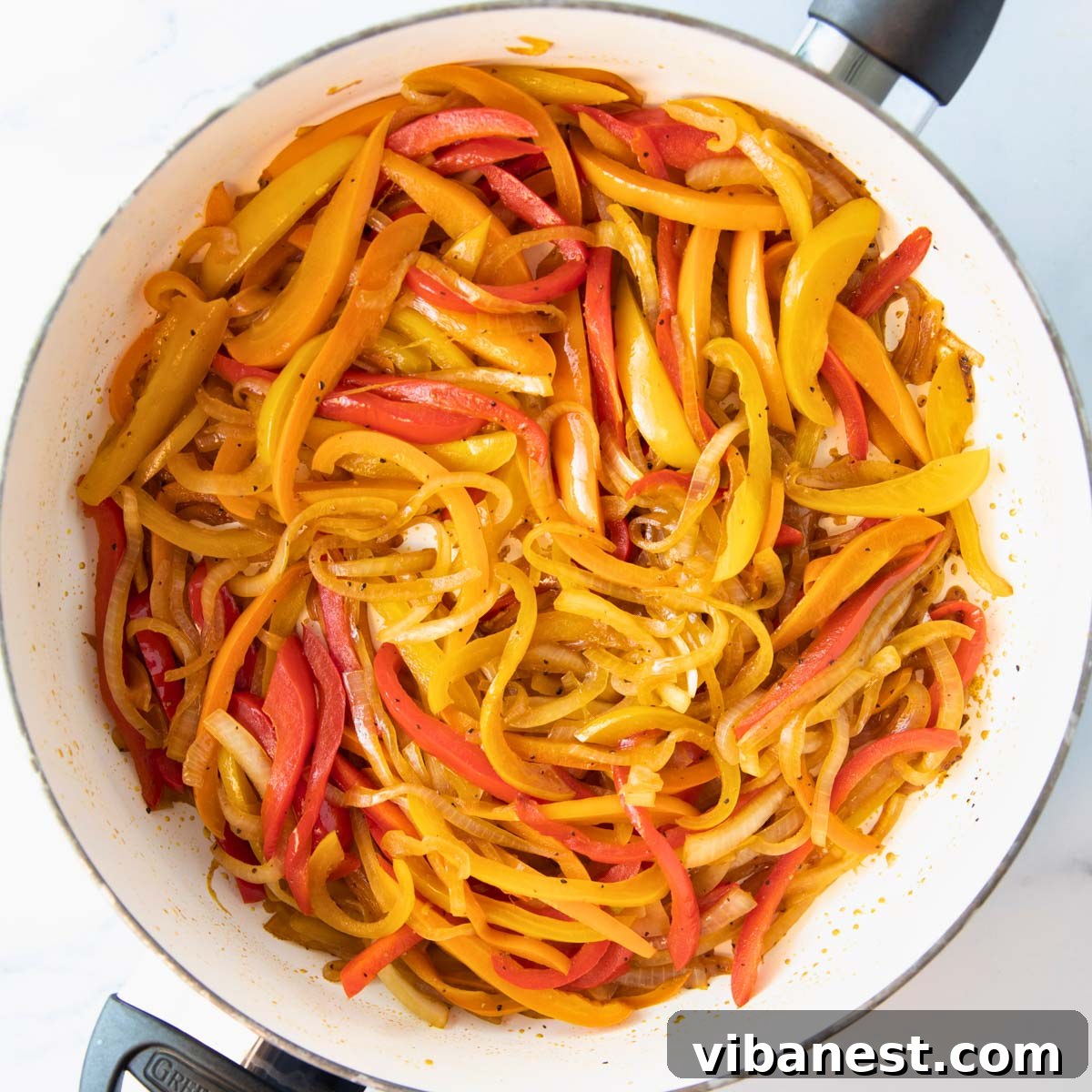
Fajita veggies, a vibrant medley of sautéed peppers and onions, are more than
just a side dish; they are the heart and soul of any great fajita experience.
These flavorful vegetables elevate a simple meal into a festive culinary
delight, offering a perfect balance of sweetness, savory notes, and a tender
yet crisp texture. Forget bland, pre-packaged mixes – this recipe will guide
you through creating the absolute best peppers and onions for fajitas, turning
them into an unforgettable component of your next Tex-Mex feast.
Ever wondered how to master cooking peppers and onions for fajitas, achieving
that perfect restaurant-quality sizzle and flavor? You’ve come to the right
place! This incredibly simple recipe for perfectly sautéed fajita vegetables
comes together in under 20 minutes, making it ideal for busy weeknights or
spontaneous cravings. Whether you’re planning classic steak fajitas, juicy
chicken fajitas, or a vibrant vegetarian option, these beautifully seasoned
vegetables will transform average fajitas from merely good to absolutely
extraordinary. Prepare to impress your taste buds and your guests!
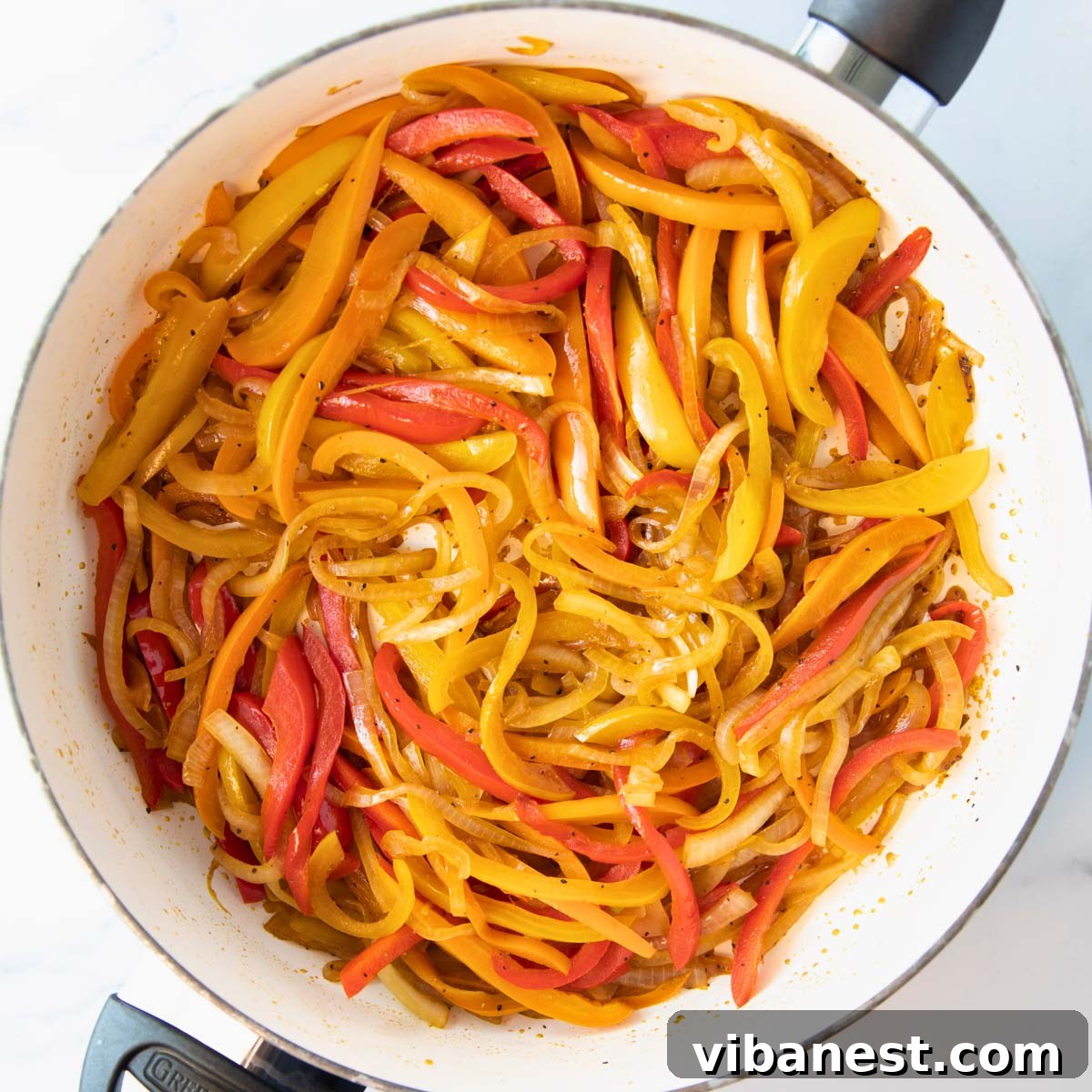
Pin this now to save it for later
Pin It Now
These easy-to-make and incredibly flavorful fajita vegetables are not just
limited to fajitas. Their versatility makes them a fantastic addition to
nachos, tacos, burritos, quesadillas, or even as a standalone healthy side
dish complementing grilled steak, roasted chicken, or succulent shrimp.
Elevate any meal, or simplify your weekly cooking by incorporating these
delicious and nutritious fajita vegetables into your meal prep. Best of all,
they come together in under 15 minutes of active cooking time, proving that
flavorful and healthy eating doesn’t have to be time-consuming.
Mastering Fajita Veggies: A Step-by-Step Guide
Creating perfectly cooked peppers and onions for your fajitas is a surprisingly
simple process that yields incredibly savory and sweet results, adding depth
and excitement to your dish. This section provides a clear, brief overview of
how these delicious veggies come together. For precise measurements, detailed
instructions, and additional tips, please refer to the comprehensive recipe
card located further down the page.
-
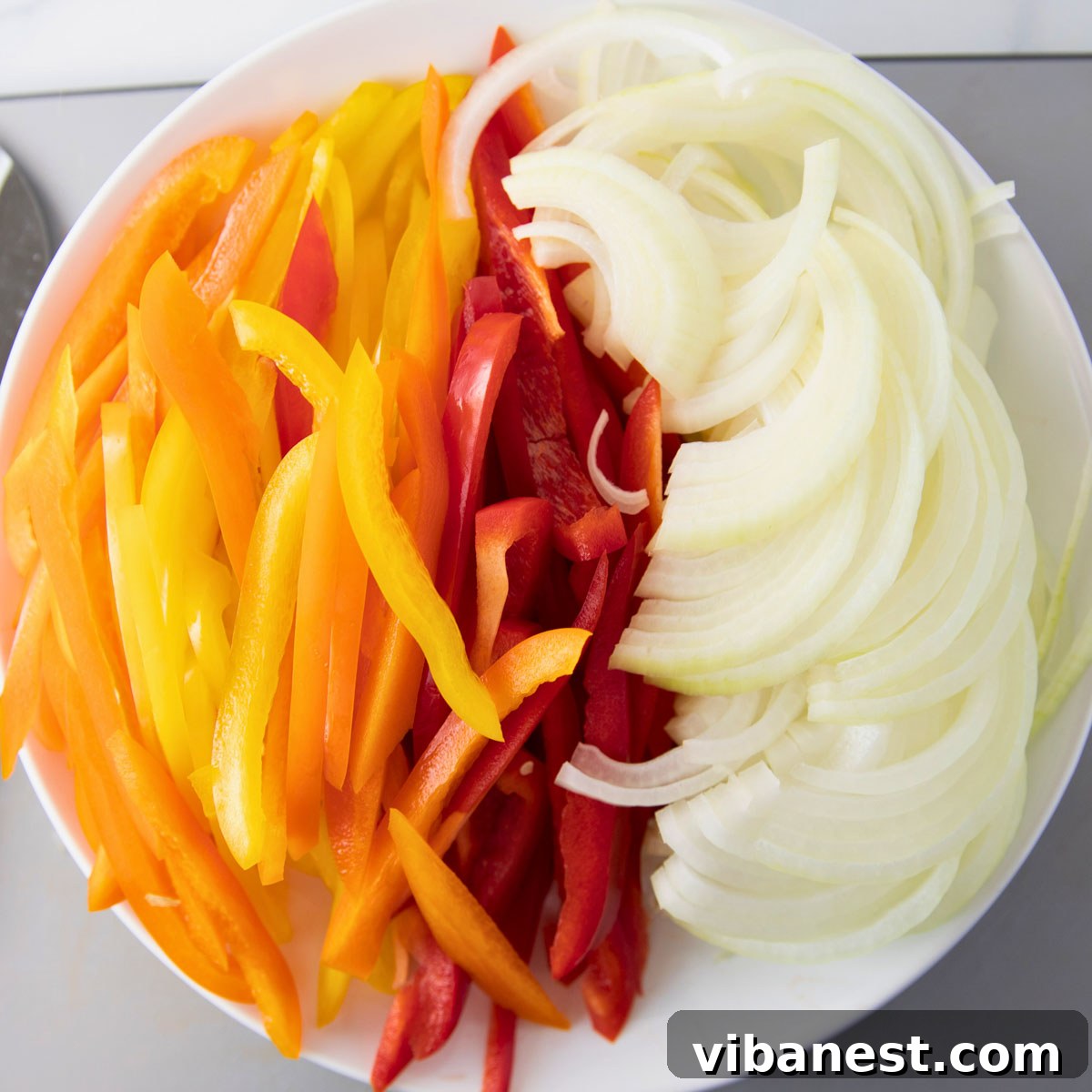
Prepare the peppers. Begin by thoroughly washing your bell
peppers under cool running water. Using a sharp chef’s knife, carefully cut
each pepper in half lengthwise. Scoop out and discard the seeds and any
white membranes from the inside, as these can add bitterness. Then, lay the
pepper halves flat and slice them into thin, uniform strips, aiming for
about ¼ inch wide. Consistency in size ensures even cooking. -
Slice the onion. Peel the outer layer of your onion and
trim off both ends. Cut the onion in half from the root to the tip. Place
each half flat on your cutting board and slice it into thin strips or half-moons.
Again, try to match the size of your onion slices to your pepper strips for
uniform cooking and presentation. -
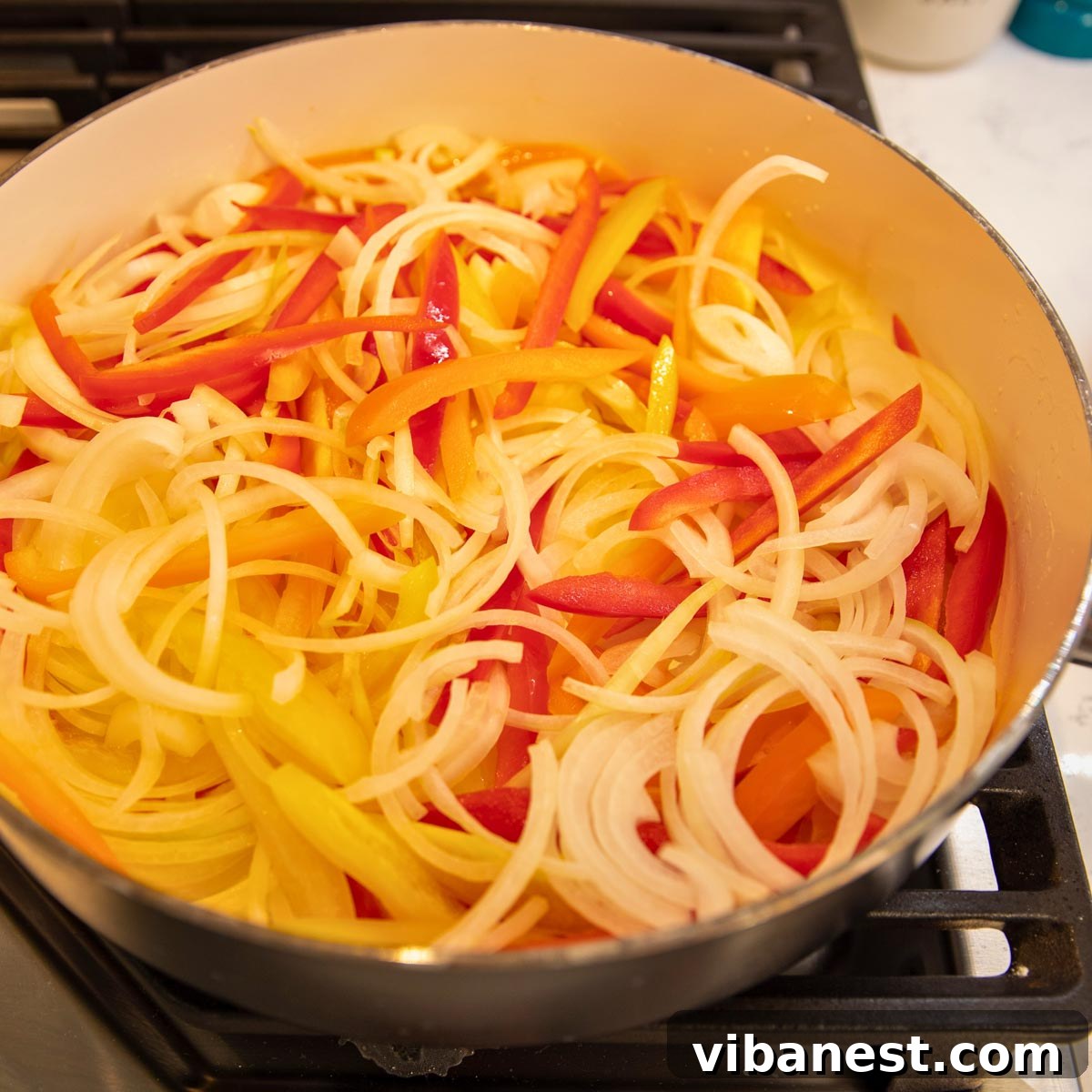
Cook the vegetables. Heat a large, sturdy skillet (cast
iron works wonderfully here for even heat distribution) over medium-high
heat. Add the butter and allow it to melt and shimmer. Once the pan is hot
and the butter is fragrant, add your prepared peppers and onions. Sprinkle
the vegetables generously with salt, freshly ground black pepper,
Worcestershire sauce, and soy sauce. Sauté the vegetables for 12-15 minutes,
stirring occasionally, or until they reach your desired tenderness – ideally
tender-crisp with beautiful, slightly caramelized edges. -
Serve and enjoy! As soon as the peppers and onions are
cooked to your liking, remove them immediately from the hot skillet to prevent
overcooking. Transfer them to a warm serving dish. They are now perfectly
ready to be served alongside your favorite protein, completing your
mouthwatering fajitas or enhancing any other meal.
The Best Vegetables for Fajitas: Selection & Variety
While bell peppers and onions are the classic duo for fajitas, the quality
and variety of your chosen vegetables can significantly impact the final
flavor and visual appeal of your dish.
Bell Peppers: A Rainbow of Flavor
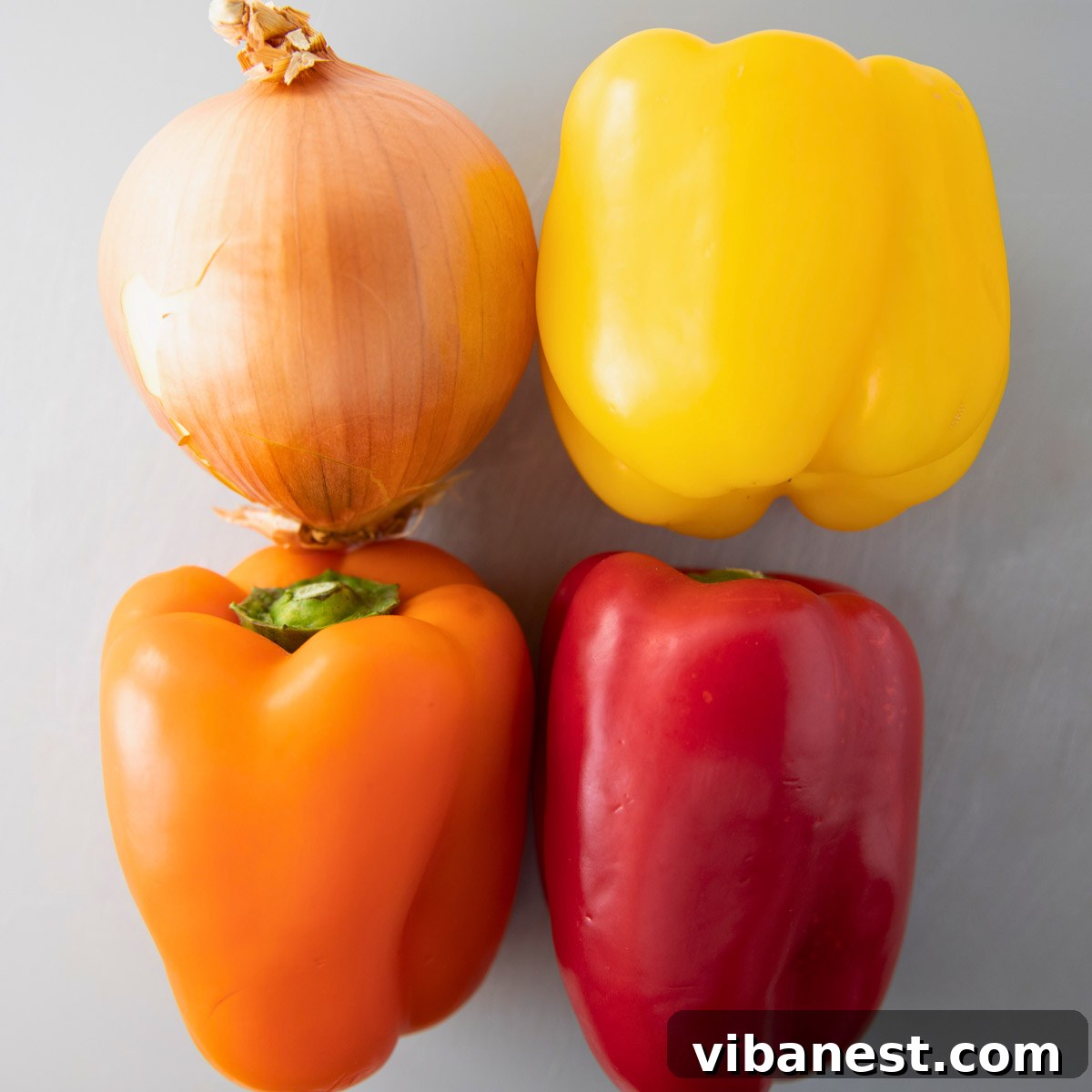
For the most vibrant and flavorful fajita veggies, I highly recommend using a
variety of colorful bell peppers. Red, yellow, and orange bell peppers tend
to be sweeter, offering a lovely contrast to the savory seasonings and the
slight bitterness of green bell peppers. Green bell peppers, while less sweet,
add a classic, slightly tangy flavor that is essential to traditional fajita
profiles. Mixing and matching ensures a beautiful presentation and a complex
flavor profile. When selecting bell peppers, look for firm, brightly colored
peppers without any soft spots or blemishes.
Onions: The Sweet & Savory Foundation
A large sweet yellow onion is my go-to choice for fajitas. As it cooks, the
natural sugars in the onion caramelize, creating an irresistible sweetness
that perfectly complements the peppers. You could also use a white onion for
a sharper, more pungent flavor, or a red onion for a bolder color and a
slightly spicier kick. Whichever you choose, ensure it’s firm and heavy for
its size.
Optional Additions for Extra Flair
Don’t hesitate to get creative with your fajita vegetables! While peppers
and onions are traditional, other vegetables can be wonderful additions. Sliced
mushrooms, zucchini, or even corn kernels can add extra texture, flavor, and
nutrients. Just be mindful of their cooking times – mushrooms and zucchini
might need slightly less time than peppers and onions to avoid becoming
mushy.
The Secret to Unforgettable Fajita Veggie Seasoning
Many recipes rely on pre-made fajita seasoning packets, but I encourage you to
skip them for this recipe. Our simple yet powerful combination of ingredients
delivers a far superior and fresher flavor that highlights the natural
goodness of the vegetables, rather than masking them.
Why This Seasoning Blend Works Wonders
By combining salt, freshly ground black pepper, Worcestershire sauce, and soy
sauce, these vegetables are imbued with the perfect amount of savory, umami-rich
flavor.
-
Salt and Black Pepper: These foundational seasonings enhance
all other flavors, bringing out the inherent sweetness of the peppers and
onions. -
Worcestershire Sauce: This fermented condiment is a secret
weapon for adding deep, complex umami notes and a subtle tang. It contributes
to that irresistible savory depth. -
Soy Sauce: Another umami powerhouse, soy sauce adds a
salty, savory punch that beautifully complements the other ingredients and
promotes browning and caramelization.
This blend enhances the vegetables’ natural flavors, allowing them to shine,
and contributes to a beautifully caramelized result that is simply perfect.
The slight char and tender texture, combined with these savory notes, create
a truly addictive experience that will make these fajita veggies a staple in
your kitchen.
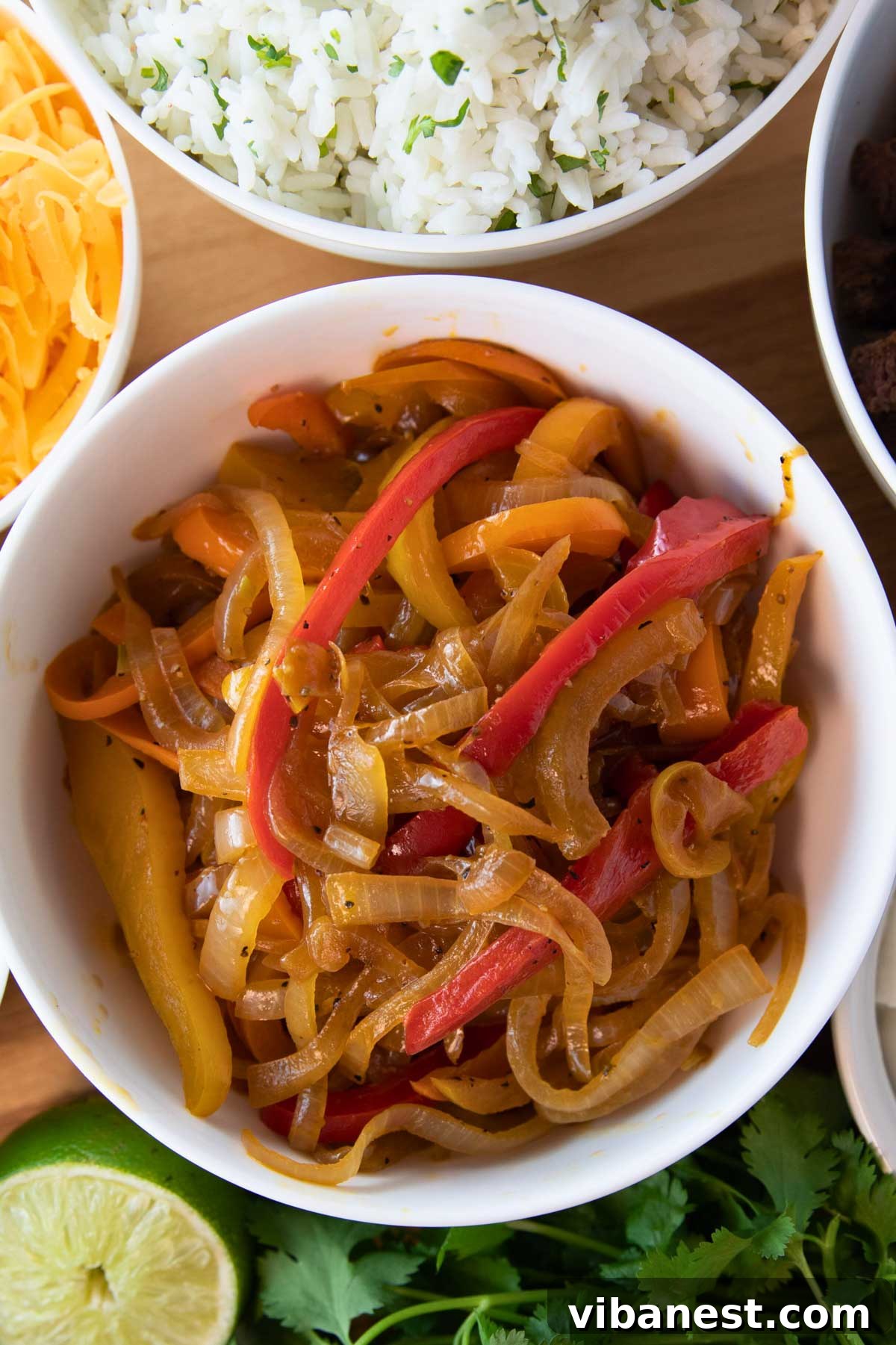
Versatile Pairings: What to Serve with Fajita Vegetables
These incredibly easy and flavorful fajita veggies are incredibly versatile
and can be enjoyed in a myriad of delicious ways, far beyond just traditional
fajitas. Their savory-sweet profile makes them a fantastic accompaniment to
a wide range of dishes.
Classic Fajita Combinations
-
Steak Fajitas: Grill or pan-sear your favorite cut of
steak, sliced thin, to create mouthwatering
classic steak fajitas. Pile high with these veggies in warm tortillas. -
Sizzling Chicken Fajitas: Prepare tender strips of chicken
for
sizzling chicken fajitas, topping them with plenty of these flavorful vegetables and a sprinkle of
fresh cilantro for a bright finish. -
Shrimp Fajitas: For a lighter, quicker option, sauté some
shrimp with similar seasonings and combine with the veggies for an
irresistible seafood fajita experience. -
Vegetarian Fajitas: These veggies are the star of the show
in a vegetarian fajita setup. Add black beans or plant-based protein for
a complete meal.
Beyond the Tortilla: Creative Serving Ideas
-
Fajita Bowls: Create vibrant and satisfying fajita bowls
by layering cooked rice (white, brown, or cauliflower rice), these sautéed
veggies, your choice of protein, and all of your favorite fajita toppings.
Think creamy
Guacamole,
fresh
Pico De Gallo, sour cream, shredded cheese, and a squeeze of lime. -
Tacos & Burritos: Instantly upgrade your weeknight tacos
or burritos by adding a generous helping of these flavorful peppers and
onions. They add texture, flavor, and a healthy boost. -
Quesadillas: Mix these veggies with cheese inside tortillas
for a sensational quesadilla filling. Add some cooked chicken or beans for
a heartier meal. -
Scrambled Eggs or Omelets: For a delicious breakfast or
brunch, fold these leftover fajita veggies into scrambled eggs or use them
as a filling for a fluffy omelet. -
Side Dish: Simply enjoy them as a flavorful, nutritious
side dish to almost any main course, from grilled chicken breasts to baked
fish.
Expert Tips for the Best Fajita Veggies
Slicing for Success
Uniformity is key when slicing your peppers and onions. Aim for strips about
¼ inch thick. This ensures they cook evenly and reach that perfect
tender-crisp consistency at the same time. If some pieces are too thick, they
might remain raw, while thin pieces could overcook and become mushy.
Don’t Overcrowd the Pan
This is a critical tip for achieving beautiful caramelization and not simply
steaming your vegetables. If your skillet is too full, the moisture released
by the vegetables won’t evaporate quickly enough, preventing them from
browning. If necessary, cook the vegetables in two batches to allow sufficient
space for searing. A good rule of thumb is to have a single layer of veggies
across the bottom of the pan.
High Heat for Sizzle
Fajita veggies are meant to sizzle! Cooking them over medium-high heat allows
the outside to caramelize and develop a slight char while the inside remains
tender. Don’t be afraid of a little browning; that’s where a lot of the
flavor comes from.
The Right Fat Matters
Butter adds an incredible richness and flavor to these fajita veggies. However,
you can also use olive oil, avocado oil, or even a combination of butter and
oil. Oil has a higher smoke point, which can be beneficial for high-heat
sautéing. The fat helps transfer heat and contributes to that desired
caramelization.
Adjust Seasoning to Your Liking
The seasoning blend provided is a fantastic starting point, but always taste
and adjust! Everyone’s palate is different. Feel free to add a pinch more
salt, a dash more Worcestershire, or even a touch of garlic powder or cumin
if you desire a more pronounced Tex-Mex spice.
Meal Prep and Storage
These fajita vegetables are excellent for meal prepping. You can cook a large
batch at the beginning of the week and have them ready to add to various
meals throughout the days.
Storage
Allow the cooked fajita veggies to cool completely before transferring them
to an airtight container. Store them in the refrigerator for up to 3-4 days.
Reheating
To reheat, you can gently warm them in a skillet over medium heat until
heated through, or use a microwave. If reheating in a skillet, a tiny bit of
butter or oil can help revive their texture. Avoid overcooking during
reheating, as they can become too soft.
Frequently Asked Questions (FAQs)
- Can I use frozen peppers and onions?
-
While fresh vegetables are always preferred for their texture and flavor,
you can use frozen. Be aware that frozen vegetables release more water,
which can make them less likely to caramelize. Thaw them completely and
pat them very dry before cooking to minimize excess moisture. You might also
need to cook them for a few extra minutes. - What kind of skillet is best?
-
A large cast-iron skillet or a heavy-bottomed stainless steel skillet is
ideal. These materials retain and distribute heat very well, which is crucial
for achieving that perfect sizzle and caramelization. Avoid using non-stick
pans if you want a good char. - Can I make this recipe spicier?
-
Absolutely! For a kick, you can add a pinch of cayenne pepper, a dash of
hot sauce, or finely diced jalapeños or serrano peppers along with the bell
peppers. Adjust to your heat preference. - Are these fajita veggies healthy?
-
Yes, these fajita vegetables are packed with nutrients! Bell peppers are
an excellent source of Vitamin C and antioxidants, while onions provide
various vitamins, minerals, and dietary fiber. Cooked with minimal fat,
they are a vibrant and healthy addition to any meal.
If you make this flavorful fajita vegetables recipe or any of my other
delicious recipes, I would absolutely love to hear what you think! Your
feedback brightens my day and helps others discover these wonderful dishes.
Please feel free to leave a comment or share your experience. Happy cooking!
Pin
Fajita Veggies
fajita recipe. This recipe will teach you how to make peppers and
onions for fajitas!
5 minutes
15 minutes
Ingredients
-
2
tablespoons
butter -
3
medium
bell peppers, cut into strips -
1
large
sweet yellow onion, sliced into half moons -
1
teaspoon
salt -
½
teaspoon
black pepper -
2
teaspoons
Worcestershire sauce -
2
teaspoons
soy sauce
Instructions
-
Prepare the peppers and onion: Wash and dry
all peppers and onions thoroughly. For the bell peppers, remove
the stems and carefully scoop out the seeds and any white
membranes. Slice the peppers lengthwise into thin strips,
approximately ¼ inch thick, ensuring uniformity for even
cooking. For the onion, peel off the outer skin and trim both
ends. Cut the onion in half from root to tip, then slice each
half into thin half-moons, aiming for a similar thickness as
your pepper strips. -
Heat the pan: Place a large, heavy-bottomed
skillet (a cast-iron skillet is highly recommended) over
medium-high heat. Allow the pan to heat sufficiently for 2-3
minutes. Once hot, add the butter and let it melt completely,
swirling to coat the bottom of the pan. The butter should be
shimmering but not smoking. -
Add veggies and season: Immediately add the
prepared sliced bell peppers and onions to the hot skillet.
Ensure not to overcrowd the pan; cook in batches if
necessary. Sprinkle the vegetables generously with salt,
freshly ground black pepper, Worcestershire sauce, and soy
sauce. Stir well to coat all the vegetables evenly with the
seasonings. -
Sauté to perfection: Continue to sauté the
vegetables for 12-15 minutes, stirring occasionally. The goal
is to achieve a tender-crisp texture with beautiful, slightly
charred and caramelized edges. This caramelization is key to
their deep, savory-sweet flavor. Towards the end of cooking,
taste the vegetables and adjust any seasonings as needed to
match your preference. -
Serve immediately: Once the peppers and
onions have reached your desired level of tenderness and
caramelization, remove them from the pan. Transfer them to a
warm serving dish. They are now ready to be served hot as a
flavorful topping for fajitas, burritos, tacos, or as a
delicious side dish.
Tried this recipe?Mention
@CenterCutCook
and tag
#CenterCutCook!