
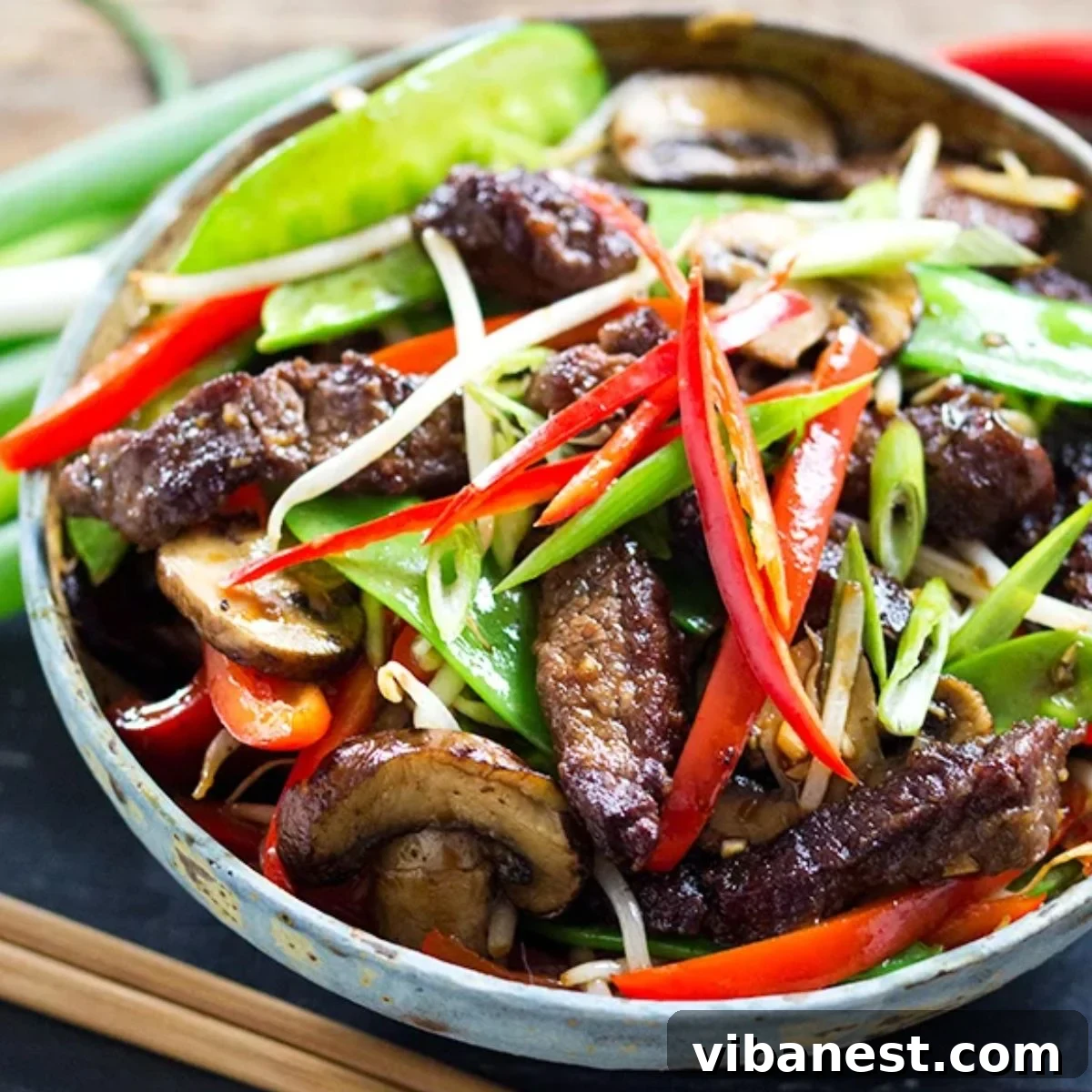
Experience the vibrant flavors and incredible ease of this Asian Beef with Vegetable Stir Fry recipe, featuring an authentic Chinese-inspired stir fry sauce! Perfectly balanced, quick to prepare in under 30 minutes, and loaded with nutritious vegetables, this dish is your ultimate solution for a healthy, satisfying, and delicious weeknight dinner. Dive into a culinary adventure that brings restaurant-quality taste right to your kitchen.
When the craving hits for a meal that’s both hearty and bursting with fresh vegetables, a stir-fry consistently tops my list. It’s a culinary philosophy centered around swift, high-heat cooking that locks in nutrients and delivers incredible texture. Whether it’s this magnificent Asian Beef with Vegetable Stir Fry, a zesty chicken version with an Easy Stir Fry Sauce, or a vibrant vegetarian option, the principle remains the same: fresh ingredients, expertly cooked, coated in an irresistible sauce. This particular recipe, an ode to traditional Asian flavors, promises to become a cherished addition to your weekly rotation. Get ready to transform simple ingredients into an extraordinary meal that everyone will love!
Crafting the Perfect Chinese-Inspired Stir Fry Sauce
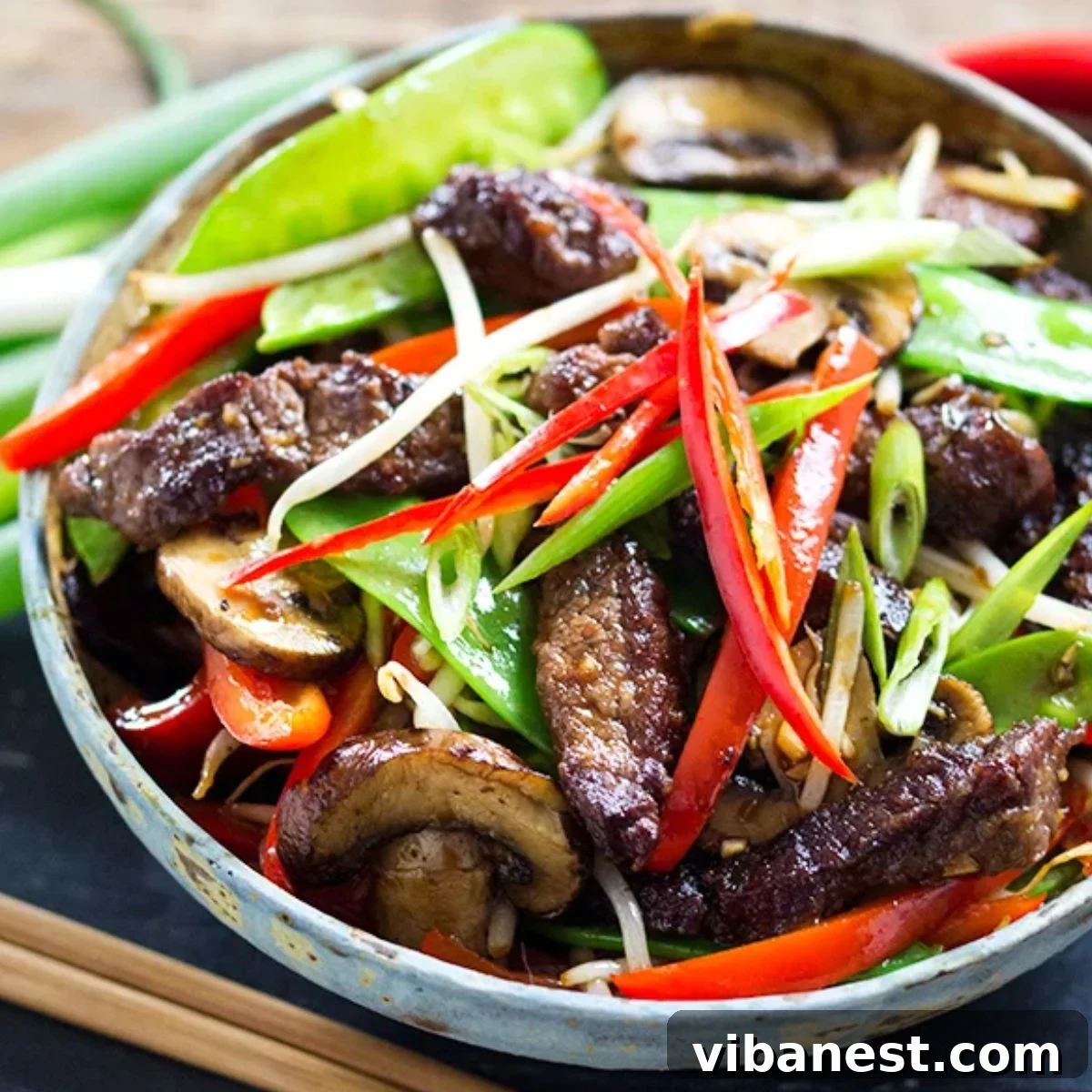
The true magic of any exceptional stir-fry lies in its sauce, and this Chinese-inspired stir fry sauce is no exception. It’s the flavorful backbone that elevates tender beef and crisp vegetables, transforming them into a harmonious culinary masterpiece. Forget store-bought alternatives; creating your own stir fry sauce from scratch is surprisingly simple and guarantees a depth of flavor that’s unparalleled. With just five key ingredients, you’ll whip up a rich, savory, and perfectly balanced sauce that clings beautifully to every piece of your Asian Beef with Vegetable Stir Fry.
- Oyster Sauce: This dark, viscous, and savory condiment is a non-negotiable for authentic Chinese stir-fries. Made from oyster extracts, it imparts a unique umami depth and a subtle sweetness that’s incredibly complex and flavorful. It’s the secret weapon that gives our stir fry sauce its characteristic richness, a crucial element for any genuine beef stir fry recipe.
- Soy Sauce: A foundational ingredient in Asian cooking, soy sauce brings its signature salty and robust umami notes. Choose a good quality light or regular soy sauce for the best flavor balance. It acts as a primary seasoning and helps to thin the sauce to the perfect consistency, ensuring a smooth and even coating.
- Dry Sherry or Chinese Rice Wine (Shaoxing Wine): These ingredients are crucial for adding a mild, slightly sweet, and complex aromatic quality. Shaoxing wine, in particular, is a staple in Chinese cuisine, providing a distinct fragrance that enhances the overall taste profile of the Asian Beef Stir Fry. If unavailable, dry sherry is an excellent substitute, offering a similar nuanced flavor and depth.
- Brown Sugar: A touch of brown sugar is essential to balance the savory and salty elements of the sauce. It introduces a gentle sweetness and helps create that desirable glossy finish on your stir-fry, making it truly irresistible and visually appealing.
- Sweet Chili Sauce: This is my personal favorite addition, offering a delightful twist to the classic stir-fry. It provides a lovely sweetness upfront, followed by a subtle kick of spice that awakens the palate without overpowering the other flavors. It adds a vibrant dimension, making this easy stir fry sauce truly unforgettable and unique.
These carefully selected ingredients meld together to form a savory, sweet, and mildly spicy sauce that perfectly complements the beef and vegetables, ensuring every bite of your Asian Beef and Vegetable Stir Fry is an explosion of authentic flavor. This homemade approach guarantees a fresh and vibrant taste far superior to any pre-made alternative.
Selecting and Preparing the Best Beef for Your Stir Fry
The success of your Asian Beef Stir Fry largely hinges on the cut of beef you choose and how it’s prepared. The ideal beef for stir-frying needs to be tender, flavorful, and capable of withstanding the intense, high-heat cooking method characteristic of stir-fries without becoming tough or dry. Thin slicing is paramount, as it ensures rapid cooking and maximum tenderness, allowing the beef to absorb the incredible flavors of the stir fry sauce.
For this specific beef stir fry recipe, I often opt for rump steak due to its excellent balance of tenderness and robust beefy flavor. When sliced thinly against the grain, rump steak cooks quickly to a beautiful sear on the outside while remaining wonderfully juicy on the inside. However, there are several other fantastic cuts that perform exceptionally well in a stir-fry, offering various textures and flavor profiles:
- Sirloin Steak: Renowned for its lean profile and inherent tenderness, sirloin steak is a superb choice for stir-frying. It cooks quickly and absorbs flavors exceptionally well, making it a reliable option for a consistently delicious result. Its mild flavor also allows the stir fry sauce to truly shine, making it a popular choice for a healthy stir fry.
- Flat Iron Steak: This cut, taken from the shoulder, is surprisingly tender and flavorful when prepared correctly. The key is to slice flat iron steak thinly *across the grain*. This technique breaks down the muscle fibers, ensuring maximum tenderness and preventing chewiness, even with its slightly coarser texture. It’s a budget-friendly option that delivers great taste.
- Ribeye Steak: For those who appreciate a richer, more indulgent stir-fry, ribeye steak is an outstanding option. Its generous marbling contributes to incredible juiciness and a luxurious, buttery flavor that stands up beautifully to the bold notes of the Chinese stir fry sauce. While a bit pricier, it delivers an unparalleled tender and flavorful experience, perfect for a special meal.
- Flank Steak or Skirt Steak: These cuts are also popular choices for stir-fries, prized for their intense beefy flavor. Like flat iron steak, they must be sliced thinly *against the grain* to ensure tenderness. They benefit greatly from a brief marinade (e.g., with soy sauce, a touch of sesame oil, and cornstarch) to further tenderize them and infuse them with extra flavor before cooking, enhancing the overall Asian Beef Stir Fry experience.
Regardless of the cut you select, remember the golden rule: thin slicing against the grain. This simple technique is the secret to achieving perfectly tender, melt-in-your-mouth beef every time. Moreover, ensure your knife is sharp for clean cuts. Patting the beef dry before dredging in cornstarch also helps achieve a better sear and a crispier exterior, making your Asian Beef Stir Fry truly spectacular.
Mastering the Asian Beef with Vegetable Stir Fry
Creating this delectable Asian Beef with Vegetable Stir Fry is an incredibly rewarding experience, and surprisingly swift! You’ll be amazed at how quickly you can achieve a restaurant-quality meal, often in less than 30 minutes from start to finish. The beauty of stir-frying lies in its efficiency and the vibrant freshness it preserves in the ingredients. Here’s a detailed guide to crafting this quick dinner idea, ensuring perfect results every time. Remember, the full ingredient list and precise measurements are available in the dedicated recipe section below.
- Prepare the Signature Stir-Fry Sauce: Begin by combining all the sauce ingredients – oyster sauce, soy sauce, dry sherry (or Chinese rice wine), brown sugar, and sweet chili sauce – in a small bowl. Whisk everything together until the sugar is fully dissolved and the sauce is well-combined and smooth. Taste and adjust for your preference; you might want a touch more sweetness or a hint more spice. Set this flavorful concoction aside; it will be added at the very end to coat all your delicious stir-fry elements.
- Tenderize and Prepare the Beef: Take your thinly sliced beef (rump steak, sirloin, or your chosen cut) and dredge it thoroughly in cornstarch. This step is crucial for achieving that desirable crispy, golden-brown exterior on the beef while simultaneously locking in its natural juices, ensuring it remains incredibly tender and moist. The cornstarch also helps thicken the sauce slightly, allowing it to adhere better to the beef and vegetables, creating a luscious coating. Season the cornstarch with a pinch of salt and black pepper for added depth of flavor.
- Heat Your Wok or Pan to Perfection: Heat a large wok or a heavy-bottomed skillet over high heat. A wok is traditionally preferred for its wide, sloped sides that allow for efficient tossing and even heat distribution, promoting quick and even cooking. However, a good quality large frying pan will also yield excellent results. Add your preferred cooking oil (vegetable, canola, or peanut oil are excellent choices due to their high smoke points) and let it get smoking hot. This high heat is essential for proper stir-frying, ensuring a quick sear and preventing the ingredients from steaming.
- Sear the Beef to Golden Perfection: Once the oil is shimmering and hot, carefully add the cornstarch-dredged beef slices in a single layer, ensuring not to overcrowd the pan. Cooking in batches prevents the temperature from dropping, which can lead to tough, grey beef. Cook the beef for only 2-3 minutes per side, tossing occasionally, until it develops a beautiful golden-brown crust and is cooked through but still tender. Overcooking will make the beef tough. Remove the cooked beef from the pan and set it aside in a bowl to rest. It will finish cooking briefly with the sauce later, ensuring it doesn’t dry out.
- Stir-Fry the Vibrant Vegetables: If there’s an excessive amount of oil remaining in the pan after cooking the beef, carefully drain some off, leaving about 1-2 tablespoons. Immediately add your selected vegetables – such as sliced mushrooms, bell pepper strips, crisp snow peas, minced garlic, and fresh ginger – to the hot pan. Stir-fry them vigorously for 3-5 minutes. The goal is for the vegetables to be tender-crisp, retaining their vibrant color and a slight bite, not soft or mushy. Timing is key to preserving their freshness and nutrients, making this a truly healthy stir fry.
- Introduce the Flavorful Sauce and Combine: Once the vegetables are perfectly tender-crisp, turn the heat up slightly and pour in your pre-mixed stir fry sauce. Bring the sauce to a gentle boil, then reduce the heat to a simmer. Allow it to cook for 1-2 minutes, stirring constantly, until it thickens slightly and becomes glossy. This process allows the flavors to meld beautifully, creating a rich and aromatic coating for your stir-fry.
- Reincorporate Beef and Add Bean Sprouts: Return the cooked beef to the pan with the simmering sauce and vegetables. Add the fresh bean sprouts at this stage; they require very little cooking and maintain their crunch best when added towards the end. Stir everything gently to ensure all the ingredients are thoroughly coated in the rich sauce. Simmer for another 1-2 minutes, just long enough for the bean sprouts to heat through and for the beef to absorb the final flavors, bringing the entire Asian Beef Stir Fry to perfection.
- Serve and Garnish: Your magnificent Asian Beef with Vegetable Stir Fry is now ready to be enjoyed! Serve it immediately over a bed of fluffy white rice, nutty brown rice, or your favorite Asian-style noodles (like udon or lo mein). For a finishing touch that adds both flavor and visual appeal, garnish generously with freshly sliced scallions. Serve with chopsticks for an authentic dining experience!
Follow these steps, and you’ll consistently create a mouthwatering, restaurant-quality stir-fry that is both incredibly satisfying and a testament to the speed and efficiency of this beloved cooking method. Enjoy your culinary creation!
Exciting Stir-Fry Variations to Explore
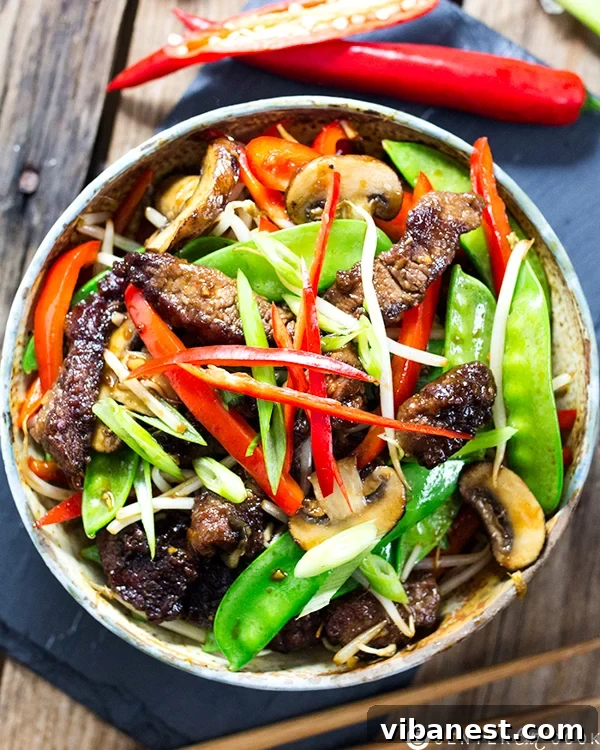
One of the most appealing aspects of a beef and vegetable stir fry is its incredible versatility. This recipe serves as a fantastic foundation, but don’t hesitate to customize it with your favorite ingredients to suit your taste or what you have on hand. The key to a great vegetable stir fry is choosing vegetables that can withstand high-heat cooking while still retaining a delightful crispness. Experiment with different combinations to discover your perfect quick dinner idea!
Here are some popular and highly recommended vegetables to incorporate into your stir-fry, each bringing its own unique texture and flavor:
- Broccoli: Florets of broccoli are a classic stir-fry vegetable, offering a robust texture and earthy flavor. They hold their shape well and absorb the stir fry sauce beautifully, becoming tender-crisp.
- Bell Peppers: Red, yellow, or orange bell peppers add a burst of vibrant color, natural sweetness, and a lovely crunch. Slice them into thin strips for quick cooking, ensuring they retain their fresh appeal.
- Carrots: Julienne-cut or thinly sliced carrots introduce a subtle sweetness and a satisfying snap. They also contribute beautiful color and essential nutrients to the dish.
- Snap Peas: These vibrant green pods provide a delicate sweetness and an irresistible crisp texture, making them a refreshing and crunchy addition to any healthy stir fry.
- Mushrooms: Sliced shiitake, cremini, or button mushrooms add a wonderful umami depth and a tender, meaty texture that complements the beef perfectly, soaking up the sauce.
- Bok Choy: A staple in Asian cuisine, bok choy offers a mild, slightly sweet flavor with tender leaves and crunchy white stems. It cooks down quickly and adds great volume and freshness.
- Cabbage: Shredded napa cabbage or green cabbage provides a satisfying crunch and a subtle sweetness that pairs well with the savory sauce, adding bulk and a fresh element.
- Onions: Sliced yellow or red onions add a pungent sweetness and aromatic base to the stir-fry. Green onions (scallions) can also be stir-fried briefly for a milder flavor before using as a garnish.
- Green Beans: Fresh green beans, trimmed and snapped, add a firm texture and earthy flavor, becoming tender-crisp in the hot wok, and are a great source of fiber.
- Water Chestnuts: For an extra layer of textural intrigue, add canned or fresh water chestnuts, thinly sliced. They provide a unique, subtle sweetness and a fantastic, refreshing crunch that contrasts with softer ingredients.
- Bean Sprouts: As included in the main recipe, bean sprouts are fantastic for adding a last-minute crunch and freshness. Add them at the very end to prevent them from becoming soggy and to retain their delicate texture.
- Baby Corn: Canned baby corn adds a sweet, slightly firm crunch and a unique visual appeal to the dish, along with a distinct mild flavor.
Beyond vegetables, consider these protein variations to diversify your stir-fry experience and make this beef stir fry recipe even more versatile:
- Chicken Stir Fry: Thinly sliced chicken breast or thigh can easily replace beef. Ensure it’s cooked through before adding vegetables and sauce for a lighter yet equally flavorful meal.
- Shrimp Stir Fry: Quick-cooking shrimp adds a delicate, sweet flavor. Add them towards the end of the cooking process, as they cook very quickly (just until pink) to prevent them from becoming rubbery.
- Tofu Stir Fry: For a vegetarian or vegan option, use firm or extra-firm tofu, pressed and cubed, then pan-fried until golden brown and crispy before adding to the stir-fry. It absorbs the easy stir fry sauce wonderfully.
Don’t be afraid to mix and match these options to create your ultimate quick dinner idea! The beauty of stir-frying is its adaptability, allowing you to continually discover new favorite combinations and enjoy this versatile cooking method.
Perfect Pairings: What to Serve with Your Asian Beef Stir Fry
A well-made Asian Beef Stir Fry is a complete meal in itself, but it truly shines when paired with the right accompaniments. Its rich flavors and diverse textures make it incredibly versatile, allowing it to complement a wide array of side dishes. Whether you’re aiming for a traditional experience, a lighter option, or something extra indulgent, there’s a perfect pairing for every preference, enhancing your overall dining experience.
- Fluffy Rice: The classic and most popular choice!
- White Rice: A simple bowl of perfectly steamed white rice is the ideal canvas for soaking up every drop of that incredible Chinese stir fry sauce. Its neutral flavor highlights the stir-fry’s complexity.
- Brown Rice: For a nuttier flavor, added fiber, and a more wholesome meal, brown rice makes an excellent healthy alternative.
- Chinese Fried Rice: Elevate your meal with homemade fried rice, packed with eggs, peas, carrots, and sometimes even a touch of protein like shrimp or chicken. It’s a more substantial and flavorful side dish that turns your meal into a feast.
- Asian-Style Noodles: For a heartier, more slurpable meal, noodles are a fantastic choice that adds a different textural dimension.
- Udon Noodles: Thick, chewy udon noodles provide a satisfying texture and hearty base, perfect for absorbing the rich sauce.
- Lo Mein Noodles: These springy wheat noodles are perfect for tossing directly with the stir-fry ingredients (creating a “lo mein” style dish) or serving alongside.
- Rice Noodles: Thinner rice vermicelli or broader flat rice noodles offer a lighter alternative, especially good for absorbing sauce without adding heaviness, suitable for a gluten-free option if pure rice noodles are used.
- Cauliflower Rice: If you’re looking for a low-carb, grain-free option, cauliflower rice is an excellent substitute. It provides a similar texture to regular rice and absorbs the flavors beautifully, making your healthy stir fry even more diet-friendly and allowing the stir-fry to remain the star.
- Asian Coleslaw: A fresh and crunchy coleslaw with an Asian-inspired dressing offers a wonderful contrast in texture and a bright, tangy counterpoint to the rich stir-fry. Our version, linked here, is particularly delicious and refreshing.
- Steamed Edamame: Simple, nutritious, and quick, steamed edamame (either in the pod or shelled) makes for a great appetizer or light side, adding plant-based protein and a vibrant green color. A sprinkle of sea salt makes them irresistible.
No matter which side you choose, ensure it complements the robust flavors of your Asian Beef Stir Fry without overpowering it, creating a truly balanced and delightful dining experience that caters to all preferences.
Storing and Reheating Your Delicious Stir-Fry Leftovers
One of the many joys of cooking a flavorful Asian Beef Stir Fry is having delicious leftovers for quick meals later in the week. Proper storage is key to maintaining freshness and safety, ensuring you can enjoy your meal prep efficiently. Once your stir-fry has cooled sufficiently (ideally within two hours of cooking to prevent bacterial growth), transfer it to an airtight container. Make sure to label and date it, then promptly store it in the refrigerator. Your leftover stir-fry will remain fresh and safe to consume for up to 3-4 days, making it an excellent option for healthy meal prep.
When you’re ready to enjoy it again, reheating is simple and can be done in a couple of ways for optimal results. For best results, reheat the stir-fry in a skillet or wok over medium heat, adding a splash of water or broth to prevent it from drying out and to rejuvenate the sauce. Stir frequently until it’s heated through evenly. Alternatively, you can reheat individual portions in the microwave, ensuring you stir halfway through the heating process to ensure even distribution of heat and to avoid cold spots. Enjoy your delicious and convenient meal prep, tasting just as good as the day it was made!
Why This Asian Beef Stir Fry Recipe Stands Out
In a world full of dinner options, this Asian Beef with Vegetable Stir Fry consistently emerges as a favorite, and for good reason. It’s not just another meal; it’s a culinary triumph that blends health, speed, and unforgettable flavor into one convenient package. Here’s why this recipe should be your next go-to for a satisfying and easy dinner:
- Unbeatable Speed: Life is busy, and spending hours in the kitchen isn’t always feasible. This recipe respects your time, delivering a complete, delicious meal from prep to plate in less than 30 minutes. It’s the ultimate quick dinner idea for hectic weeknights, allowing you more time to relax and enjoy.
- Packed with Nutrients: We’ve intentionally designed this stir-fry to be a powerhouse of nutrition. Lean beef provides essential protein and iron, while a colorful array of fresh vegetables – like broccoli, bell peppers, and snow peas – offers a wealth of vitamins, minerals, and fiber. It’s a truly healthy stir fry that doesn’t compromise on taste, making it a guilt-free pleasure.
- Customizable to Your Liking: The beauty of stir-fries lies in their adaptability. Don’t like a particular vegetable? Swap it out! Want to add more spice or make it milder? Go for it! This recipe provides a flexible framework, allowing you to tailor it to your dietary needs and taste preferences, making every batch uniquely yours and always enjoyable.
- Restaurant-Quality Flavor at Home: The homemade Chinese-inspired stir fry sauce is the star here. Its complex blend of savory, sweet, and subtly spicy notes creates a deeply satisfying flavor profile that rivals your favorite takeout, all from the comfort of your own kitchen. You’ll impress your family and friends with this authentic taste.
- Effortless Cleanup: With most of the cooking happening in a single wok or large skillet, cleanup is remarkably straightforward. Less time scrubbing means more time enjoying your meal and your evening, adding to the convenience of this beef stir fry recipe.
Choosing this Asian Beef Stir Fry recipe means choosing convenience, health, and flavor – a perfect trifecta for any home cook looking to impress without stress. It’s a reliable recipe that delivers delicious results every time.
Expert Tips for the Perfect Stir Fry Every Time
Achieving a truly spectacular stir-fry, with perfectly seared meat and vibrant, tender-crisp vegetables, is an art that can be mastered with a few key techniques. Whether you’re a seasoned chef or a kitchen novice, these tips will help you create an Asian Beef Stir Fry that’s consistently delicious and beautifully textured, rivaling your favorite takeout.
- High Heat is Non-Negotiable: Stir-frying relies on extremely high heat to cook ingredients quickly, creating that desirable “wok hei” (breath of the wok) flavor and preventing vegetables from becoming soggy. Ensure your wok or pan is smoking hot before adding oil, and maintain that heat throughout the cooking process. This is fundamental for an authentic stir-fry.
- Don’t Overcrowd the Pan: This is perhaps the most common mistake in stir-frying. Adding too many ingredients at once will dramatically drop the pan’s temperature, causing items to steam rather than sear. This results in soft, watery vegetables and grey, tough meat. Cook in batches if necessary, especially the beef, to ensure everything cooks evenly and develops a beautiful crust.
- Prep Everything in Advance (Mise en Place): Stir-frying is a rapid-fire cooking method, leaving absolutely no time for chopping or measuring once you start. Have all your ingredients – thinly sliced beef, uniformly chopped vegetables, minced aromatics (garlic and ginger), and prepared stir fry sauce – ready and within arm’s reach before you turn on the heat. This makes the cooking process smooth, efficient, and stress-free.
- Slice Ingredients Uniformly: For even cooking, ensure all your beef and vegetables are sliced to similar sizes and thicknesses. Thin slices of beef cook quickly, and uniformly chopped vegetables will reach that perfect tender-crisp stage simultaneously, preventing some pieces from being overcooked while others are raw.
- Cook in Stages: Different ingredients have different cooking times. Cook the protein first, remove it from the pan, then stir-fry the harder vegetables (like carrots or broccoli stems) first, followed by softer ones (like bell peppers or mushrooms), and finally aromatics (garlic, ginger) and quick-cooking items (bean sprouts). Reintroduce the protein at the very end with the sauce to ensure everything is perfectly cooked.
- Proper Oil Choice: Use an oil with a high smoke point, such as vegetable oil, canola oil, peanut oil, or grapeseed oil. These oils can withstand the high temperatures required for stir-frying without breaking down or imparting undesirable flavors. Olive oil is generally not recommended for high-heat stir-frying.
- Cornstarch is Your Friend: As highlighted in this beef stir fry recipe, dredging beef in cornstarch not only helps create a delicious, slightly crispy crust on the exterior but also tenderizes the meat and helps thicken the easy stir fry sauce, ensuring it clings beautifully to every ingredient for maximum flavor in every bite.
By following these expert tips, you’ll elevate your stir-frying game and consistently produce a fantastic, flavorful, and perfectly textured Asian Beef with Vegetable Stir Fry that will impress every time, making your home cooking truly exceptional.
Asian Beef with Vegetables Stir Fry
This quick and flavorful Asian Beef with Vegetables Stir Fry recipe is perfect for a busy weeknight. Tender beef, crisp vegetables, and a savory Chinese-inspired sauce come together in under 30 minutes for a healthy and satisfying meal that’s easy to make at home.
Prep Time: 10 minutes
Cook Time: 15 minutes
Servings: 2
Ingredients
Sauce Ingredients
- 2 tbsp oyster sauce
- 2 tbsp soy sauce
- 2 tbsp dry sherry or Chinese rice wine (Shaoxing wine)
- 1 tbsp soft brown sugar
- 2 tbsp sweet chili sauce
Stir Fry Ingredients
- 1/4 cup vegetable oil (or canola, peanut, grapeseed oil)
- 1/2 lb rump steak, cut into thin slices against the grain
- 1 heaping tbsp cornstarch, seasoned with 1/4 tsp salt and 1/4 tsp black pepper
- 2 mushrooms, sliced
- 1 red bell pepper, deseeded and sliced into thin strips
- 1 cup snow peas
- 2 cloves garlic, peeled and minced
- 1 thumb-sized piece ginger, peeled and minced
- 1 cup bean sprouts
- Small bunch scallions, sliced (for garnish)
Instructions
- Prepare the Sauce: In a small bowl, whisk together the oyster sauce, soy sauce, dry sherry (or Chinese rice wine), brown sugar, and sweet chili sauce until well combined and the sugar is dissolved. Set aside.
- Prepare the Beef: Place the thinly sliced rump steak in a bowl. Add the seasoned cornstarch and toss until the beef slices are fully coated. Ensure each piece is lightly covered.
- Heat the Pan: Heat 1/4 cup of vegetable oil in a large wok or heavy-bottomed frying pan over very high heat until it is shimmering and nearly smoking.
- Cook the Beef: Carefully add the cornstarch-coated beef slices to the hot oil in a single layer. Do not overcrowd the pan; cook in two batches if necessary. Fry for 4-6 minutes in total, stirring and tossing occasionally, until the steak is well-seared, browned on all sides, and cooked through but still tender. Remove the cooked beef from the pan and transfer it to a clean bowl; set aside.
- Cook the Vegetables: If there is excess oil in the pan after removing the beef, carefully pour out all but about 2 tablespoons. Add the sliced mushrooms, red bell pepper, snow peas, minced garlic, and minced ginger to the hot pan. Stir-fry vigorously for 2-3 minutes over medium-high heat until the vegetables are tender-crisp and still vibrant.
- Add Sauce and Combine: Turn the heat up to high. Pour the prepared sauce into the pan with the vegetables. Bring it to a boil, then reduce the heat slightly and simmer for 2-3 minutes, stirring constantly, until the sauce reduces and thickens slightly to a glossy consistency.
- Finish the Stir Fry: Return the cooked beef to the pan along with the fresh bean sprouts. Stir everything together gently to ensure all ingredients are thoroughly coated in the rich sauce. Cook for a further 1-2 minutes, just long enough for the bean sprouts to heat through and remain crunchy, and for the beef to absorb the final flavors.
- Serve: Your delicious Asian Beef with Vegetable Stir Fry is now ready! Serve it immediately over freshly cooked white rice, brown rice, or your favorite Asian-style noodles. Garnish generously with freshly sliced scallions before serving for added freshness and flavor.
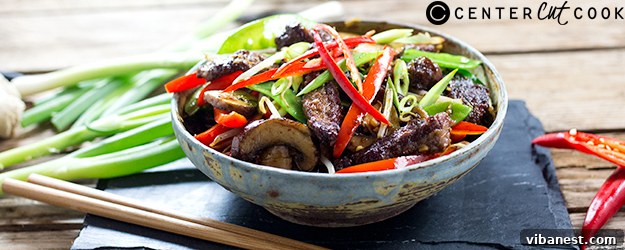
I genuinely hope this Asian Beef with Vegetable Stir Fry recipe becomes a cherished addition to your culinary repertoire. It’s a dish designed to deliver maximum flavor with minimal effort, making healthy eating both accessible and enjoyable for any day of the week. If you try this recipe, please don’t hesitate to share your experience! Leave a comment below or tag me on social media – I absolutely love hearing from you and seeing your delicious creations. Happy cooking, and bon appétit!