
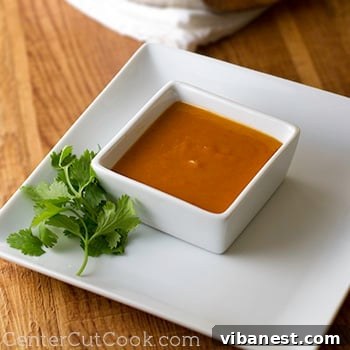
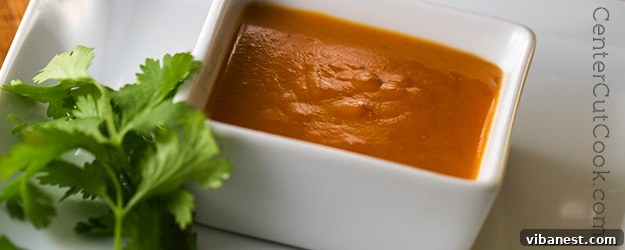
There’s an undeniable magic to the rich, creamy, and subtly spicy allure of homemade peanut sauce. For many, including myself, it’s more than just a condiment; it’s a culinary obsession. If you, like me, find immense joy in all things peanut butter, from decadent Chocolate Peanut Butter Cupcakes to savory spreads, then you understand the profound satisfaction a well-crafted peanut sauce can bring. It’s the secret ingredient that elevates countless dishes, transforming them into unforgettable experiences. Whether you’re dipping crispy spring rolls, drenching grilled chicken satay, or stirring it into a vibrant noodle dish, a fantastic peanut sauce recipe is an essential tool in any kitchen. This guide will walk you through creating the best easy Thai-style peanut sauce that’s bursting with flavor and incredibly versatile.
Why Homemade Peanut Sauce is a Game-Changer
While store-bought peanut sauces offer convenience, they often fall short in flavor, freshness, and quality of ingredients. Crafting your own easy peanut sauce at home unlocks a world of benefits. You gain complete control over the taste profile, allowing you to adjust sweetness, spice, and tang to perfectly suit your palate. Furthermore, homemade versions are typically free from unwanted additives, preservatives, and excessive sodium or sugar, making them a healthier choice. The rich aroma that fills your kitchen as the ingredients meld together is an experience in itself, promising a culinary delight that store-bought alternatives simply can’t replicate. Plus, it’s surprisingly quick and incredibly rewarding, proving that gourmet flavors don’t always require hours of effort.
The Incredible Versatility of Thai Peanut Sauce
One of the greatest attributes of a superb peanut sauce is its incredible versatility. Initially, you might associate it primarily with classic Thai dishes like Pad Thai or Chicken Satay, but its applications extend far beyond these traditional pairings. This creamy, savory, and slightly sweet sauce can truly revolutionize your everyday meals. Imagine it as a decadent dipping sauce for fresh vegetable sticks, crunchy spring rolls, or succulent shrimp. It transforms grilled chicken, pork, or tofu into an exotic main course. Stir it into noodle bowls, use it as a dressing for vibrant salads, or even spread it into wraps and sandwiches for an unexpected flavor boost. The possibilities are virtually endless, making this quick peanut sauce recipe an invaluable addition to your culinary repertoire. Once you master this simple recipe, you’ll find yourself reaching for it again and again.
Unlocking the Flavors: Essential Ingredients for the Best Peanut Sauce
The beauty of this particular Thai peanut sauce recipe lies in its simplicity and the readily available nature of its core ingredients. You’ll be amazed at how quickly these humble components come together to create such a complex and satisfying flavor. Let’s delve into what makes each ingredient crucial:
Full-Fat Coconut Milk: The Foundation of Creaminess
The first star of our creamy peanut sauce is full-fat coconut milk. Don’t be tempted by the reduced-fat versions for this recipe; the full-fat variety provides the luscious, velvety texture and rich flavor that defines an authentic Thai peanut sauce. It’s the backbone, contributing a subtle sweetness and a beautiful body that coats your palate. You can easily find coconut milk in the international foods aisle of most grocery stores, typically in the Asian section. Look for cans rather than cartons, as these are usually the full-fat versions.
Thai Red Curry Paste: The Heart of the Heat and Aroma
Next up is Thai red curry paste, a powerhouse of flavor that introduces warmth, a hint of spice, and an aromatic depth to our sauce. This paste is a blend of various ingredients like red chilies, lemongrass, galangal, kaffir lime peel, and spices. It’s what gives our easy peanut sauce its distinctive Thai character. You’ll typically find red curry paste in small cans or jars in the same international aisle as the coconut milk. While there are many brands, most well-stocked supermarkets carry good quality options. Just a couple of ounces are enough to infuse the sauce with incredible zest and a vibrant hue.
Creamy Peanut Butter: The Star of the Show
Naturally, peanut butter takes center stage in our homemade peanut dipping sauce. For the smoothest, most luxurious texture, creamy peanut butter is preferred. While natural peanut butter (the kind that separates) can be used, ensure it’s well-stirred before adding to prevent an oily separation in your sauce. If using natural peanut butter, you might need to adjust the water slightly for consistency. Avoid heavily sweetened or flavored peanut butters, as they can alter the intended balance of the sauce. The classic, creamy variety provides the perfect canvas for our Thai flavors.
Balancing Act: Sweetness, Salt, and Acidity
To round out the flavor profile, we use a trio of essential ingredients: sugar, salt, and distilled vinegar. Sugar provides the necessary sweetness to balance the richness of the peanut butter and the spice from the curry paste. Salt enhances all the flavors, bringing everything into harmony. Distilled vinegar adds a crucial tangy note, brightening the sauce and preventing it from tasting flat or overly heavy. These three ingredients, in combination with a little water to achieve the desired consistency, are vital for creating a perfectly balanced and incredibly addictive Thai-style peanut sauce.
Whipping Up Your Quick & Easy Peanut Sauce
The absolute best part about this quick peanut sauce recipe is how incredibly simple and fast it is to prepare. You’re looking at about 10 minutes from start to finish, yielding a gourmet-quality sauce that tastes like it came from your favorite Thai restaurant. This recipe truly redefines convenience without compromising on flavor.
Simple Steps for a Stellar Sauce:
- Combine All Ingredients: Grab a medium to large saucepan and simply add all the listed ingredients: the full-fat coconut milk, Thai red curry paste, creamy peanut butter, salt, sugar, distilled vinegar, and water. There’s no need for fancy layering or pre-mixing; everything goes in at once.
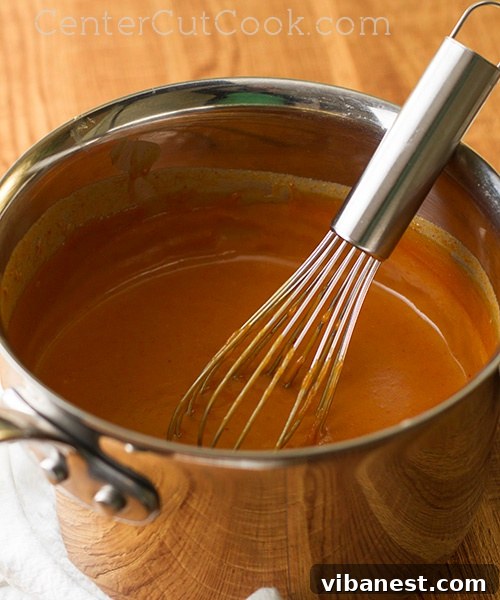
- Bring to a Gentle Simmer: Place the saucepan over medium heat. Begin stirring the mixture constantly with a whisk or a spoon. As the ingredients heat up, the peanut butter will melt and integrate with the liquids, and the curry paste will dissolve. Continue stirring until the sauce reaches a gentle simmer.
- Cook and Thicken: Once simmering, reduce the heat to low and continue to cook for approximately 5 minutes, stirring frequently. This gentle simmering period allows the flavors to meld beautifully and the sauce to thicken slightly to a perfect, pourable consistency. Frequent stirring is crucial to prevent the sauce from sticking or burning to the bottom of the pan, especially with the coconut milk and peanut butter.
- Achieve Perfect Consistency: After 5 minutes, your homemade peanut sauce should be smooth, creamy, and fragrant. If you prefer a thinner sauce, you can add a tablespoon or two of warm water or coconut milk until you reach your desired consistency. For a thicker sauce, simply simmer for another minute or two, stirring continuously.
That’s truly all there is to it! In mere minutes, you’ll have a batch of exquisite easy Thai peanut sauce ready to elevate your meals. It’s a culinary triumph that proves delicious food doesn’t have to be complicated.
Storage Tips for Your Delicious Peanut Sauce
Once your creamy peanut sauce is cooked and cooled, it’s incredibly easy to store, making it perfect for meal prep throughout the week. Transfer any leftovers to an airtight container and store it in the refrigerator. It will stay fresh and delicious for up to a few weeks, allowing you to enjoy its rich flavors whenever a craving strikes. If the sauce thickens too much in the fridge, simply add a splash of warm water or coconut milk and stir well when reheating to bring it back to its ideal consistency. This makes it an ideal condiment to have on hand for quick and flavorful additions to various dishes.
Endless Serving Possibilities for Your Homemade Peanut Sauce
Now that you’ve mastered this best peanut sauce recipe, it’s time to explore the myriad ways you can enjoy it. Its versatility is truly one of its greatest assets:
- Classic Dipping Sauce: This is a quintessential use! Serve it alongside grilled chicken satay skewers, shrimp, tofu, or crispy spring rolls. It’s also fantastic with fresh vegetable sticks like cucumber, carrots, bell peppers, and celery for a healthy and flavorful snack.
- Stir-Fry Sensation: As originally envisioned, this sauce is phenomenal in stir-fries. Toss it with your favorite protein (chicken, beef, shrimp, or tofu) and a medley of colorful vegetables over a bed of rice or noodles for a quick and satisfying meal. Keep an eye out for our upcoming stir-fry recipe featuring this very sauce!
- Noodle Dishes: Transform simple ramen, rice noodles, or even spaghetti into an incredible meal. Just cook your noodles, drain, and toss with a generous amount of warm peanut sauce, perhaps with some crushed peanuts, cilantro, and a squeeze of lime. It’s a fantastic alternative to traditional Pad Thai sauce.
- Salad Dressing: Thin out the sauce slightly with a bit more water or lime juice, and use it as a vibrant dressing for green salads, cabbage slaw, or even cold noodle salads. Its creamy texture and bold flavor add an exciting twist to everyday greens.
- Marinade: Use the sauce as a flavorful marinade for chicken, pork, or tofu before grilling, baking, or pan-frying. The proteins will absorb the wonderful flavors, resulting in incredibly tender and aromatic dishes.
- Sandwiches & Wraps: Spread a thin layer of peanut sauce inside a chicken wrap, a veggie sandwich, or even a burger for a unique flavor profile that’s sure to impress.
From quick weeknight dinners to elegant party appetizers, this easy Thai peanut sauce will quickly become one of your most cherished go-to recipes. Its irresistible taste and effortless preparation make it a true kitchen hero.
So, why wait? Gather your ingredients and embark on this simple culinary adventure. You’ll be delighted by how effortlessly you can create a homemade peanut sauce that rivals any restaurant offering. Enjoy every single, flavorful bite!
Quick & Easy Thai Peanut Sauce
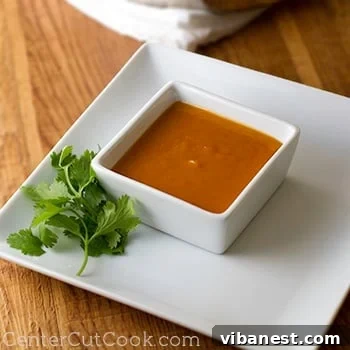
Discover the secret to a perfectly balanced, creamy, and aromatic Thai-style peanut sauce right in your own kitchen. This incredibly simple recipe comes together in under 10 minutes and is wonderfully versatile for dipping, stir-frying, or dressing.
INGREDIENTS
- 1- 13.5 ounce can full-fat coconut milk
- 2 ounces Thai Red Curry Paste
- 3/4 cup creamy peanut butter
- 1 teaspoon salt
- 1/2 cup granulated sugar
- 2 tablespoons distilled white vinegar
- 1/2 cup water (adjust as needed for desired consistency)
DIRECTIONS
- In a large saucepan, combine all of the ingredients: full-fat coconut milk, Thai red curry paste, creamy peanut butter, salt, sugar, distilled vinegar, and water.
- Place the saucepan over medium heat. Whisk or stir frequently to combine the ingredients as they heat up. Bring the mixture to a gentle simmer, ensuring the peanut butter is fully melted and integrated.
- Once simmering, reduce the heat to low and continue to cook for about 5 minutes, stirring frequently. This allows the flavors to meld and the sauce to thicken slightly to a creamy, pourable consistency. Be sure to stir often to prevent the sauce from sticking to the bottom of the pan.
- Taste and adjust seasonings if desired – you might want a pinch more salt, a dash more sugar, or a squeeze of lime juice for extra brightness (optional). If the sauce is too thick, add a tablespoon or two of warm water or coconut milk until your desired consistency is reached.
- Serve warm with chicken satay, shrimp, fresh vegetables, over noodles, or as a stir-fry sauce.
- Store any leftover peanut sauce in an airtight container in the refrigerator for up to 2-3 weeks. If it thickens upon chilling, simply add a splash of warm water or coconut milk when reheating and stir well.
Recipe adapted from
SheSimmers