
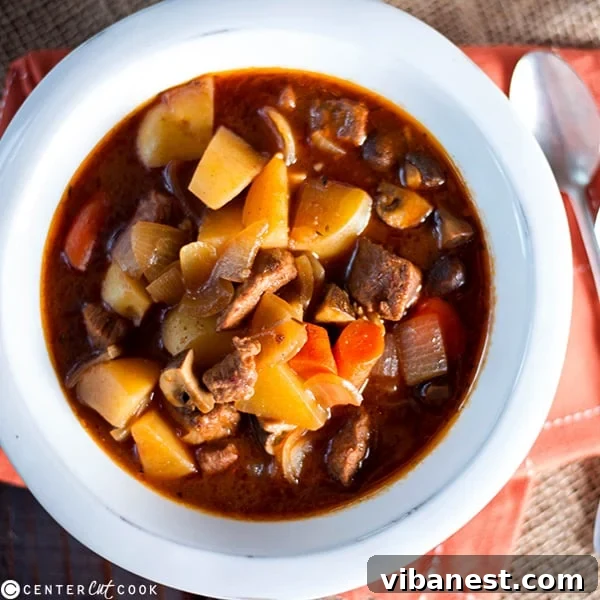
There’s nothing quite like a hearty beef stew to warm the soul, especially when the weather turns chilly. The rich aroma filling your home, the tender chunks of beef, and the medley of savory vegetables bathed in a deeply flavored sauce – it’s the epitome of comfort food. For many, beef stew is a cherished family tradition, evoking memories of cozy evenings and satisfying meals shared around the table. While traditional beef stew often requires hours of active attention in the kitchen, braising over a stovetop or in the oven, we believe that incredible flavor shouldn’t demand an entire day’s commitment. That’s where the magic of the slow cooker comes in, transforming a labor of love into an effortlessly delicious experience.
Our household has a long-standing love affair with beef stew. The classic, slow-braised version, with its complex layers of flavor developed over many hours, is truly exceptional. However, in today’s fast-paced world, finding 4-5 dedicated hours for cooking can be a challenge. We wanted to capture that same amazing depth and tenderness in a recipe that seamlessly fits into a busy schedule. The goal was to replicate those beloved flavors – the tender beef, the perfectly cooked vegetables, and the rich, tomato and balsamic vinegar-infused broth – but with the incredible convenience that only a slow cooker can offer. And so, this delightful slow cooker vegetable beef stew was born, proving that you don’t have to sacrifice flavor for ease.
Embrace the Ease: Why a Slow Cooker is Your Best Friend for Stew
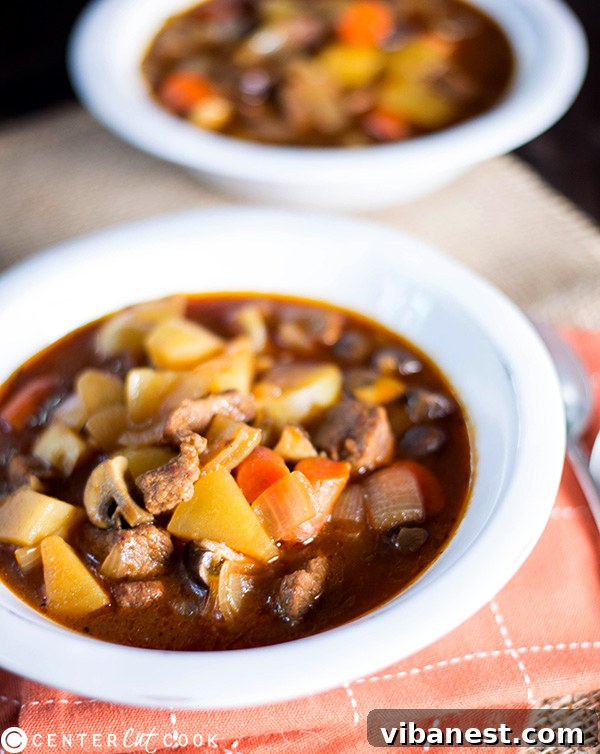
Slow cookers are truly culinary marvels, especially when it comes to dishes like beef stew. Their “set it and forget it” nature allows you to go about your day while a delicious, comforting meal simmers to perfection. The gentle, consistent heat of a slow cooker works wonders on tougher cuts of meat, slowly breaking down connective tissues to create incredibly tender, melt-in-your-mouth beef. This process also allows the flavors from all the ingredients – the herbs, spices, vegetables, and savory liquids – to meld together beautifully over several hours, creating a more harmonious and robust taste profile than faster cooking methods might achieve.
Beyond convenience, slow cooking offers several advantages. It’s an energy-efficient way to cook, and it keeps your kitchen cooler by containing the heat. The low and slow method is also incredibly forgiving; you’re far less likely to overcook or burn your food. For a dish as comforting and satisfying as beef stew, the slow cooker simply enhances every aspect, delivering consistently delicious results with minimal effort. Imagine returning home to the enticing aroma of a home-cooked meal, ready to serve with just a ladle and a bowl. This slow cooker vegetable beef stew delivers exactly that experience, making it a fantastic addition to your recipe repertoire for weeknights or lazy weekends alike.
Crafting the Perfect Slow Cooker Vegetable Beef Stew: Key Ingredients & Flavor Secrets
The success of any great stew lies in its ingredients, and this slow cooker vegetable beef stew utilizes a carefully selected blend to achieve its outstanding flavor and texture. Let’s explore the stars of this show:
The Beef: The Heart of the Stew
- Beef Chuck Roast: This cut is ideal for slow cooking. Chuck roast, typically from the shoulder, is rich in connective tissue which, when cooked slowly, breaks down into gelatin. This process not only makes the beef incredibly tender and succulent but also enriches the stew’s sauce with a luxurious body. Cutting it into bite-sized chunks ensures even cooking and easy serving.
- Browning the Beef: While it might seem like an extra step for a slow cooker recipe, browning the beef before adding it to the cooker is absolutely crucial. This process, known as the Maillard reaction, creates deep, complex, savory flavors and a beautiful crust that simply cannot be achieved by simply adding raw meat to the slow cooker. It seals in juices and adds an unparalleled depth to the final stew.
The Vegetable Medley: Color, Texture & Nutrients
- Yukon Potatoes: These potatoes are a fantastic choice for stew. They hold their shape well during long cooking times, yet become wonderfully tender and absorb the flavors of the broth without becoming mushy.
- Carrots: A classic stew staple, carrots add a touch of sweetness, vibrant color, and essential nutrients. Slicing them ensures they cook evenly alongside the other vegetables.
- Yellow Onion: The aromatic foundation of many savory dishes, diced yellow onion provides a sweet and pungent base flavor that mellows beautifully during slow cooking.
- Cremini Mushrooms: Added towards the end of the cooking process, cremini mushrooms offer an earthy, umami depth. Adding them later prevents them from becoming overly soft or disappearing into the stew.
The Flavorful Liquid Base & Aromatics
- Tomato Paste: This concentrated ingredient provides a rich, umami depth and a subtle tang that balances the savory notes of the beef. It’s a powerhouse of flavor in a small package.
- Minced Garlic: Essential for its pungent, aromatic qualities, garlic infuses the stew with a savory warmth that complements the other ingredients perfectly.
- Beef Broth: The primary liquid component, beef broth forms the savory base of the stew. Using a good quality beef broth will significantly enhance the overall flavor profile.
- Balsamic Vinegar: This might seem like an unusual addition, but balsamic vinegar is a secret weapon in stew. Its acidity brightens the dish, cuts through the richness, and adds a subtle sweetness and depth, making the entire stew taste more vibrant and complex.
- Bay Leaves: Aromatic bay leaves impart a subtle, almost floral, herbaceous note that rounds out the savory flavors without overpowering them. Remember to remove them before serving.
Herbs & Spices: The Aromatic Backbone
- Dried Rosemary, Thyme, and Basil: This trio of classic herbs provides a comforting, rustic flavor profile that pairs wonderfully with beef and vegetables. Using dried herbs is convenient and allows their flavors to slowly release during the long cooking process.
- Kosher Salt & Ground Black Pepper: Essential for seasoning, these balance and enhance all the other flavors. Seasoning at multiple stages, especially at the end, is key to a perfectly flavored stew.
Achieving the Perfect Consistency: The Thickening Agents
- All-Purpose Flour: Used initially to dredge the beef, the flour creates a light crust during browning and helps to slightly thicken the initial stewing liquid.
- Cornstarch: A cornstarch slurry, added towards the end, is a fantastic way to achieve a perfectly thickened, glossy sauce without overcooking the vegetables. It allows for precise control over the stew’s final consistency.
Your Go-To Slow Cooker Vegetable Beef Stew Recipe
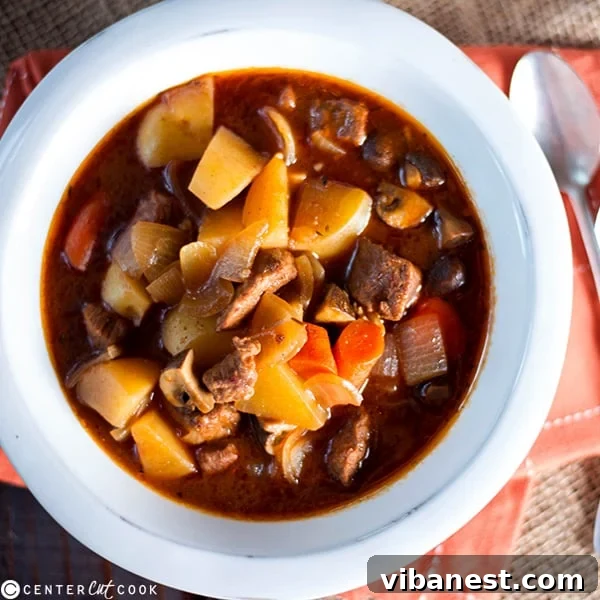
Get ready to create a truly unforgettable meal with minimal fuss. This recipe is designed for maximum flavor and ultimate convenience, making it perfect for weeknight dinners or a comforting weekend feast.
INGREDIENTS
- 1/3 cup all-purpose flour
- 1 tsp. dried rosemary
- 1 tsp. dried thyme
- 1 tsp. dried basil
- 1 1/2 tsp. kosher salt
- 1 tsp. ground black pepper
- 1 tbsp. olive oil, plus more as needed to brown meat
- 1 1/2 lbs. beef chuck roast, boneless, cut into bite-size chunks
- 4 Yukon potatoes, diced (about 1.5-2 lbs)
- 4 large carrots, peeled and sliced
- 1 medium yellow onion, diced
- 2 tbsp. tomato paste
- 5 cloves garlic, minced
- 4 cups beef broth (low sodium preferred)
- 1/4 cup balsamic vinegar
- 2 bay leaves
- 8 cremini mushrooms, quartered
- 1 tbsp. cornstarch
DIRECTIONS
- In a medium mixing bowl, combine the all-purpose flour, dried rosemary, dried thyme, dried basil, 1 1/2 teaspoons of kosher salt, and 1 teaspoon of ground black pepper. Whisk these ingredients together until well combined.
- Heat 1 tablespoon of olive oil in a large, heavy-bottomed skillet or Dutch oven over medium-high heat.
- Working in batches to avoid overcrowding the pan, dredge the beef chuck roast chunks in the seasoned flour mixture until each piece is lightly and evenly coated. Transfer the coated beef to the hot oil.
- Sear the beef for 3-5 minutes per batch, turning occasionally, until it is beautifully well-browned on all sides. It is not necessary to cook the meat through at this stage; the goal is to develop a deep, rich brown crust for maximum flavor. Add more olive oil to the skillet as needed between batches. Once browned, transfer all the beef to the bowl of your slow cooker.
- Add the diced Yukon potatoes, sliced carrots, diced yellow onion, tomato paste, minced garlic, beef broth, balsamic vinegar, and bay leaves to the slow cooker with the browned beef. Stir all the ingredients gently to combine them well.
- Cover the slow cooker with its lid and cook on LOW for 6-8 hours, or on HIGH for 4-6 hours, or until the potatoes and carrots are mostly tender and the beef is starting to become fork-tender. Cooking times can vary slightly depending on your slow cooker and the size of your beef chunks.
- After the initial cooking period, open the slow cooker and add the quartered cremini mushrooms. In a separate small mixing bowl, ladle out about 1/2 cup of the hot liquid from the slow cooker. Add the 1 tablespoon of cornstarch to this liquid and whisk vigorously until the cornstarch is completely dissolved and no lumps remain. This creates a slurry.
- Pour the cornstarch slurry back into the slow cooker and stir everything thoroughly to combine. The slurry will help thicken the stew.
- Re-cover the slow cooker and continue to cook for an additional 1-2 hours on LOW (or 30-60 minutes on HIGH), or until the beef and all vegetables are fully tender, and the sauce has reached your desired thickened consistency.
- Before serving, carefully remove the bay leaves. Taste the stew and adjust the seasoning with additional salt and pepper as needed. Serve hot and enjoy!
Tips for Slow Cooker Stew Success
While this recipe is incredibly forgiving, a few simple tips can elevate your slow cooker beef stew from good to absolutely phenomenal:
- Don’t Skip the Browning: As mentioned, this step is non-negotiable for deep flavor. The fond (brown bits) left in the pan after browning the meat contribute immensely to the stew’s richness.
- Layer Your Ingredients: While not strictly necessary, adding ingredients in a thoughtful order can ensure even cooking. Dense vegetables like potatoes and carrots can go in earlier, while more delicate ones like mushrooms can be added later.
- Resist the Urge to Peek: Every time you lift the lid of your slow cooker, you release accumulated heat, which can extend the cooking time significantly. Try to keep the lid on as much as possible until the final stages.
- Adjust Seasoning at the End: Broths and tomato paste can vary in sodium content. It’s always best to taste and adjust the salt and pepper right before serving to achieve perfect balance.
- Consider Your Slow Cooker: Different slow cookers cook at different temperatures and rates. If this is your first time making stew in your particular model, keep an eye on it towards the end of the suggested cooking time.
Variations & Serving Suggestions
This slow cooker vegetable beef stew recipe is wonderfully versatile. Feel free to experiment and make it your own!
- Add More Vegetables: Incorporate other hearty vegetables like parsnips, celery, turnips, or even green beans or peas (add peas in the last 30 minutes of cooking). Sweet potatoes can also make a delicious substitute for Yukon potatoes.
- Herb & Spice Swaps: Experiment with different herb blends. A touch of paprika, a pinch of red pepper flakes for heat, or even a splash of red wine (reduce beef broth by an equal amount) can introduce new flavor dimensions.
- Make it Gluten-Free: Skip the flour dredge or use a gluten-free all-purpose flour alternative. Ensure your beef broth is also gluten-free. The cornstarch slurry is naturally gluten-free and will still provide excellent thickening.
- Creamier Texture: For a slightly creamier stew, stir in a splash of heavy cream or a dollop of sour cream just before serving (don’t add it during the long cooking time, as it might curdle).
What to Serve With Your Stew:
A comforting bowl of slow cooker vegetable beef stew is a meal in itself, but it pairs beautifully with a few simple accompaniments:
- Crusty Bread or Dinner Rolls: Perfect for soaking up every last drop of that incredible sauce.
- Mashed Potatoes: If you love potatoes, serving the stew over a bed of creamy mashed potatoes adds an extra layer of indulgence.
- Simple Green Salad: A light, fresh salad provides a lovely contrast to the richness of the stew.
Store and Reheat with Ease
One of the best things about stew is that it often tastes even better the next day as the flavors continue to meld. Leftovers can be stored in an airtight container in the refrigerator for up to 3-4 days. This stew also freezes beautifully! Portion it into freezer-safe containers or bags and freeze for up to 3 months. Thaw overnight in the refrigerator and reheat gently on the stovetop or in the microwave, adding a splash of broth or water if it’s too thick.
Whether you’re looking for a fuss-free weeknight dinner, a heartwarming meal for a cozy weekend, or simply a delicious way to enjoy the classic flavors of beef stew without the all-day commitment, this slow cooker vegetable beef stew is your answer. It’s incredibly flavorful, wonderfully tender, and unbelievably easy. Give it a try, and we’re confident it will become a cherished staple in your home, bringing smiles and warmth to your table. Happy cooking!