
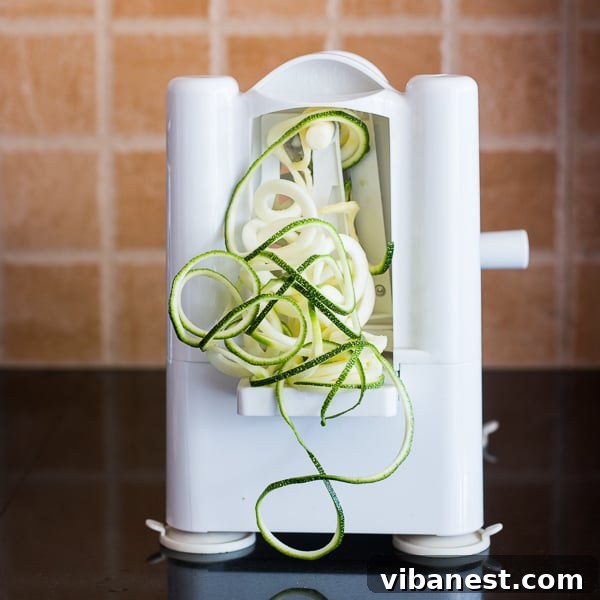
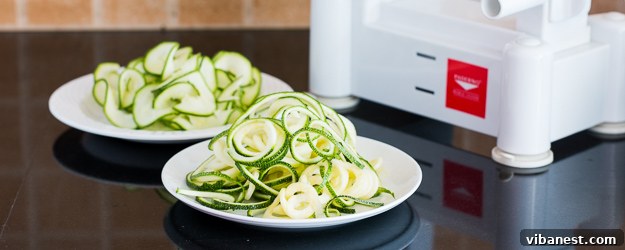
How to Make Zucchini Noodles: Your Ultimate Guide to Healthy Pasta
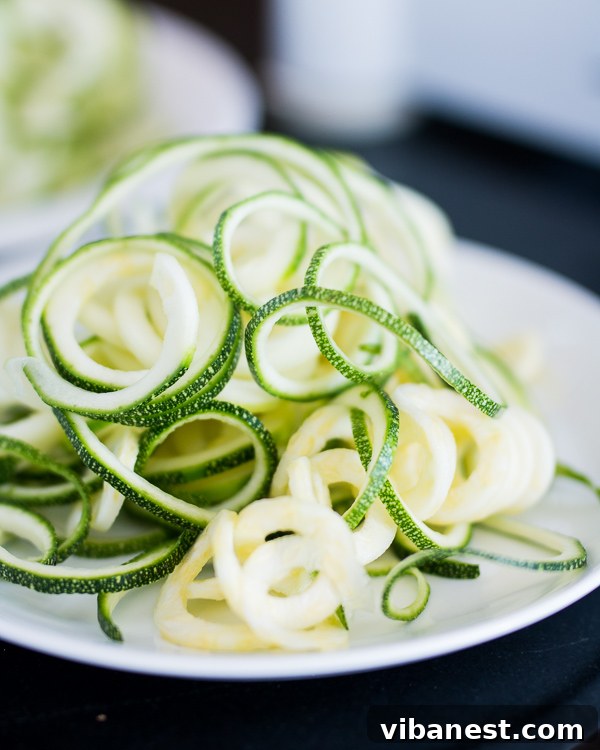
Craving the satisfying comfort of a hearty pasta dish but looking for a lighter, healthier alternative? Look no further than the humble zucchini! Transformed into delectable “zoodles,” or zucchini noodles, this versatile vegetable offers a guilt-free way to enjoy your favorite pasta meals. Whether you’re adhering to a low-carb, gluten-free, or simply a health-conscious diet, zucchini noodles are a game-changer. They’re incredibly nutritious, refreshingly light, and astonishingly easy to prepare – often in mere minutes!
Imagine indulging in a plate of spaghetti and meatballs, pesto primavera, or a rich alfredo, all while knowing you’re nourishing your body with nutrient-dense vegetables instead of heavy grains. Zucchini noodles make this dream a delicious reality. They provide a fantastic base for almost any sauce, absorbing flavors beautifully and adding a delightful texture to your meals. In this comprehensive guide, we’ll dive into everything you need to know about making perfect zucchini noodles, ensuring you achieve culinary success every time.
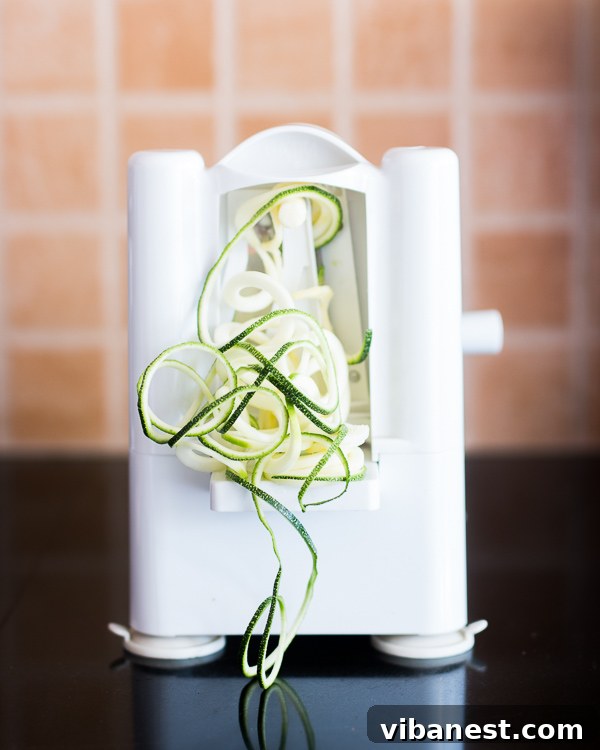
Why Zucchini Noodles Are Your New Go-To Healthy Staple
Before we jump into the “how-to,” let’s explore why zucchini noodles have become such a popular choice for health enthusiasts and home cooks alike. Their appeal extends far beyond just being a pasta substitute:
- Low-Carb and Keto-Friendly: For those managing carbohydrate intake, zoodles are a lifesaver. They drastically reduce the carb count of a meal compared to traditional pasta, making them ideal for ketogenic and other low-carb diets.
- Gluten-Free: Naturally free from gluten, zucchini noodles are a perfect option for individuals with celiac disease or gluten sensitivity, allowing them to enjoy pasta-like dishes without digestive discomfort.
- Rich in Nutrients: Zucchini itself is packed with vitamins (C, K, B6), minerals (manganese, potassium), and antioxidants. Incorporating zoodles into your diet is a simple way to boost your daily nutrient intake.
- Low in Calories: A cup of zucchini noodles has significantly fewer calories than a cup of wheat pasta, helping with weight management without sacrificing volume or satisfaction.
- Hydrating: Zucchini has a high water content, contributing to hydration and feeling fuller longer.
- Incredibly Versatile: Zoodles pair well with almost any sauce – from robust meat sauces and creamy pestos to light vinaigrettes and stir-fry flavors. They can be served raw, lightly sautéed, or even baked.
- Quick and Easy: As you’ll discover, making zucchini noodles is incredibly fast, often taking less than 5 minutes from whole vegetable to ready-to-eat spirals.
Unveiling the Tools: How to Make Zucchini Noodles
While making zucchini noodles might seem like a gourmet endeavor, it’s surprisingly simple with the right tools. There are several methods you can employ, each producing a slightly different texture and shape of “noodle.” Let’s break them down:
1. The Spiralizer: Your Best Friend for Perfect Zoodles (Highly Recommended)
When it comes to creating uniform, long, and perfectly shaped zucchini noodles, a spiralizer is unparalleled. It’s truly the ultimate tool for achieving that authentic “pasta” experience. Spiralizers come in two main types:
a. Handheld Spiralizers
These are compact and often resemble a large pencil sharpener. You twist the zucchini through a blade, and spirals emerge from the other end. They are affordable and great for small kitchens or occasional use. However, they can require a bit more effort and might not handle larger zucchinis as easily.
b. Countertop Spiralizers
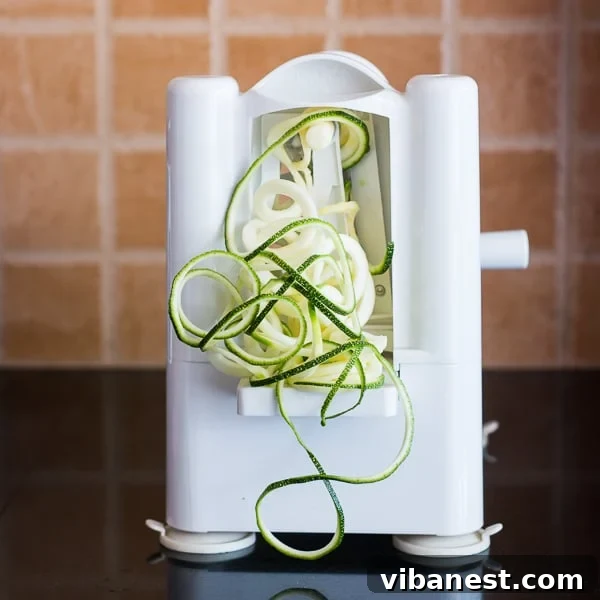
This is where the magic truly happens, and it’s the method we wholeheartedly recommend. Countertop spiralizers are sturdier, often equipped with suction cups to secure them to your counter, and feature a crank handle that makes the spiraling process effortless and fun. They come with various blade attachments, allowing you to create different noodle widths and shapes. The stability and ease of use mean you’ll get consistently perfect, long, and beautiful zucchini noodles every single time.
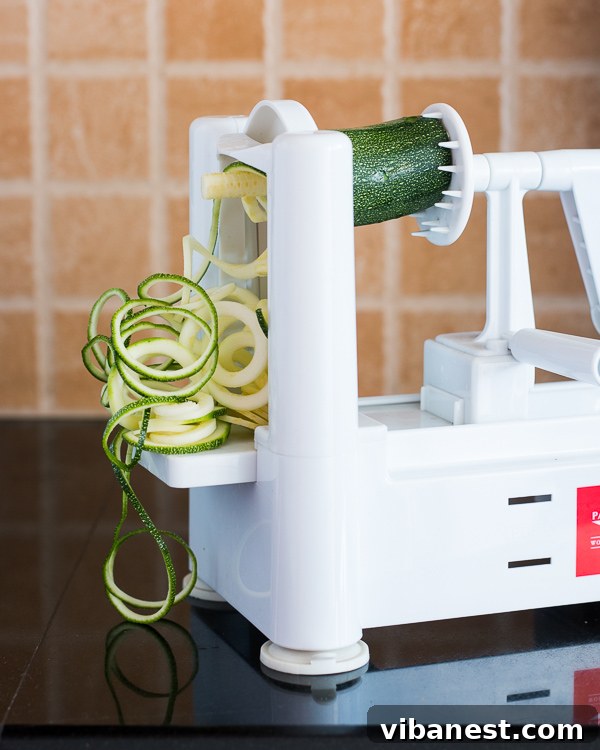
Why Choose a Countertop Spiralizer?
- Effortless Operation: The crank mechanism does most of the work, making it easy on your hands and wrists.
- Superior Stability: Stays firmly in place, preventing slips and ensuring safety.
- Consistent Results: Produces uniformly long and perfectly shaped noodles, mimicking real pasta.
- Versatility Beyond Zucchini: A good spiralizer isn’t just for zucchini! You can use it to transform carrots, cucumbers, sweet potatoes, apples, beets, and even onions into stunning spirals for salads, stir-fries, and healthy snacks. It’s a fantastic investment that opens up a world of vegetable noodle possibilities.
2. The Julienne Peeler: For Thinner Strips
A julienne peeler is another option that creates thin, matchstick-like strips of zucchini. While it won’t give you the long, curly noodles a spiralizer does, it’s a good budget-friendly alternative if you already own one. It requires more manual effort, and the noodles will be shorter, making them more suitable for salads or quick sautéed dishes where length isn’t paramount.
3. The Mandoline Slicer: For Flat, Ribbon-Like Strips
A mandoline slicer, typically used for creating thin, even slices of vegetables, can also be used to make zucchini “noodles.” However, these will be flat, ribbon-like strips rather than round or square noodles. While effective for thinness, the shape is distinctly different from traditional pasta. Exercise extreme caution when using a mandoline, as their sharp blades can be dangerous without proper hand protection.
4. Basic Vegetable Peeler: For Ribbons (Last Resort)
If you’re truly without specialized equipment, a standard vegetable peeler can create broad, flat zucchini ribbons. Simply run the peeler along the length of the zucchini. These are more akin to lasagna sheets or pappardelle, but they can still serve as a healthy pasta base in a pinch.
Choosing and Preparing Your Zucchini for Spiraling
The quality of your zucchini directly impacts the quality of your zoodles. Here’s how to select and prepare them:
- Selection: Choose firm, smooth, unblemished zucchinis. Medium-sized zucchinis (6-8 inches long) tend to work best with spiralizers, as very large ones can be too watery and have tougher seeds.
- Washing: Thoroughly wash your zucchini under cool running water.
- Trimming: Cut off both ends of the zucchini to create flat surfaces. This is crucial for a spiralizer, as the flat ends will securely attach to the machine’s grips, ensuring even spiraling.
Step-by-Step: Making Zucchini Noodles with a Countertop Spiralizer
Now, let’s get to the main event! Here’s the straightforward process for making perfect zoodles with your countertop spiralizer:
- Prepare the Zucchini: Wash your zucchini and trim both ends flat.
- Set Up Your Spiralizer: Place your countertop spiralizer on a clean, flat surface. Ensure the suction cups are engaged for maximum stability. Choose your desired blade (typically the medium noodle blade for classic spaghetti-like zoodles).
- Position the Zucchini: Impale one flat end of the zucchini onto the circular coring blade of the spiralizer and the other flat end onto the tooth plate. Make sure it’s centered and secure.
- Spiralize Away! With firm, steady pressure on the handle that pushes the zucchini towards the blade, begin turning the crank handle. Watch in amazement as beautiful, continuous zucchini noodles emerge!
- Collect Your Zoodles: As the noodles spiral out, collect them in a bowl placed underneath the spiralizer.
- Repeat: Continue until you’ve processed all your zucchini. You’ll be left with a small core, which you can discard or chop for other uses.
This process takes less than 5 minutes for a couple of zucchinis, yielding 2-3 cups of fresh noodles, depending on the size of your vegetables.
Tips for Perfect Zucchini Noodles (Avoiding the Soggy Trap!)
One common complaint about zucchini noodles is that they can become watery and soggy. Follow these tips to ensure firm, delicious zoodles every time:
- Don’t Overcook: This is the golden rule! Zucchini noodles cook very quickly. They are best served barely cooked or even raw, maintaining a slight bite. Overcooking them will release too much water and make them mushy.
- Salt and Drain (Optional but Recommended): If you plan to cook your zoodles, especially in a warm sauce, you can pre-salt them. Place the raw noodles in a colander, sprinkle with a pinch of salt, and let them sit for 10-15 minutes. The salt will draw out excess moisture. Pat them thoroughly dry with paper towels before cooking.
- Cook Separately: For hot dishes, cook your zoodles separately from your sauce. Briefly sauté them in a pan for 1-2 minutes until just tender-crisp, then toss them with your warm sauce right before serving.
- Serve Raw: For cold salads or pesto dishes, zucchini noodles are fantastic raw! Their crisp texture is refreshing.
- Avoid Overcrowding the Pan: If sautéing, cook the zoodles in batches if necessary to prevent steaming, which can lead to sogginess.
Beyond the Noodle: Storage and Serving Suggestions
Storage:
- Raw Zoodles: Store freshly made, raw zucchini noodles in an airtight container lined with paper towels in the refrigerator for up to 3-4 days. The paper towels will absorb any released moisture.
- Cooked Zoodles: Cooked zoodles are best eaten immediately. If you have leftovers, they will likely become softer. Store in an airtight container in the fridge for no more than 1-2 days.
Serving Suggestions:
The beauty of zucchini noodles lies in their versatility. Here are just a few ideas to get you started:
- Classic Pasta Dishes: Swap out traditional pasta for zoodles in your favorite marinara, bolognese, alfredo, or carbonara recipes.
- Pesto Perfection: Toss raw or lightly cooked zoodles with a vibrant basil pesto and cherry tomatoes for a quick and fresh meal.
- Asian-Inspired Stir-Fries: Add zoodles to your stir-fry for a low-carb, nutrient-rich meal. They absorb the flavors of soy sauce, ginger, and garlic beautifully.
- Cold Salads: Incorporate raw zucchini noodles into your summer salads for added crunch and freshness. They’re excellent in a Greek salad or a simple lemon-herb dressing.
- Creamy Sauces: Pair them with creamy avocado sauces, cashew cream sauces, or a light goat cheese sauce.
- With Protein: Serve alongside grilled chicken, shrimp, salmon, or tofu for a complete and balanced meal.
SIMPLE ZUCCHINI NOODLES RECIPE
This basic recipe will guide you through making perfect zucchini noodles using a spiralizer. Once you have these fresh zoodles, the culinary possibilities are endless!
INGREDIENTS
- 2 Medium Zucchinis (preferably firm and blemish-free)
- 1 Countertop Spiralizer (with preferred noodle blade)
DIRECTIONS
- Begin by thoroughly washing both zucchinis under cool water.
- Carefully cut off both ends of each zucchini. Ensure the cuts are flat, as this will help the zucchini sit securely in the spiralizer.
- Place your countertop spiralizer on a stable surface and engage its suction cups (if applicable). Insert the blade attachment for spaghetti-like noodles (typically the medium-sized one).
- Impale one trimmed end of a zucchini onto the center coring blade of the spiralizer, and push the other end onto the small teeth of the handle plate. Ensure the zucchini is centered and held firmly in place.
- While applying gentle, consistent pressure on the handle that pushes the zucchini forward, begin rotating the crank handle. Watch as perfectly formed zucchini noodles emerge!
- Collect the spiraled noodles in a bowl as they come out. Discard the small, cylindrical core left over.
- Repeat the process with the second zucchini.
- You will now have approximately 2-3 cups of fresh, ready-to-use zucchini noodles, depending on the size of your zucchinis. They are ready to be served raw in salads, lightly sautéed for hot dishes, or tossed with your favorite sauce.
Frequently Asked Questions About Zucchini Noodles
Here are answers to some common questions about making and enjoying zoodles:
Q: Can I eat zucchini noodles raw?
A: Absolutely! Raw zucchini noodles are wonderfully crisp and refreshing, especially in cold salads or tossed with pesto. They retain maximum nutrients this way.
Q: How do I prevent my zoodles from getting soggy?
A: The key is not to overcook them. Briefly sautéing for 1-2 minutes until just tender-crisp is usually enough. For very watery sauces, you can pre-salt the raw zoodles to draw out excess moisture, then pat them dry before cooking.
Q: How long do zucchini noodles last in the refrigerator?
A: Fresh, raw zucchini noodles can be stored in an airtight container lined with paper towels in the fridge for 3-4 days. Cooked zoodles are best consumed immediately but can last 1-2 days, though they will become softer.
Q: Can I freeze zucchini noodles?
A: While technically possible, freezing zucchini noodles is generally not recommended. Zucchini has a high water content, and freezing/thawing will make them very soft and watery, losing their desirable texture.
Q: What are the best sauces for zucchini noodles?
A: Lighter sauces tend to work best, as heavy, watery sauces can weigh down the zoodles. Pesto, marinara, olive oil and garlic, light cream sauces, and Asian-inspired dressings are all excellent choices.
Q: Can I use other vegetables to make noodles?
A: Yes! A spiralizer is fantastic for a variety of vegetables including sweet potatoes, carrots, cucumbers, beets, apples, and even broccoli stems. Each offers a unique flavor and texture.
Embrace the Zoodle Revolution!
Making zucchini noodles is a simple yet impactful step towards healthier eating without compromising on flavor or satisfaction. With just a spiralizer and a few minutes, you can transform a humble vegetable into a versatile, low-carb, gluten-free, and nutrient-packed pasta alternative. Experiment with different sauces and ingredients, and discover a whole new world of delicious, wholesome meals. So, go ahead, get spiraling, and let your culinary creativity flourish!