
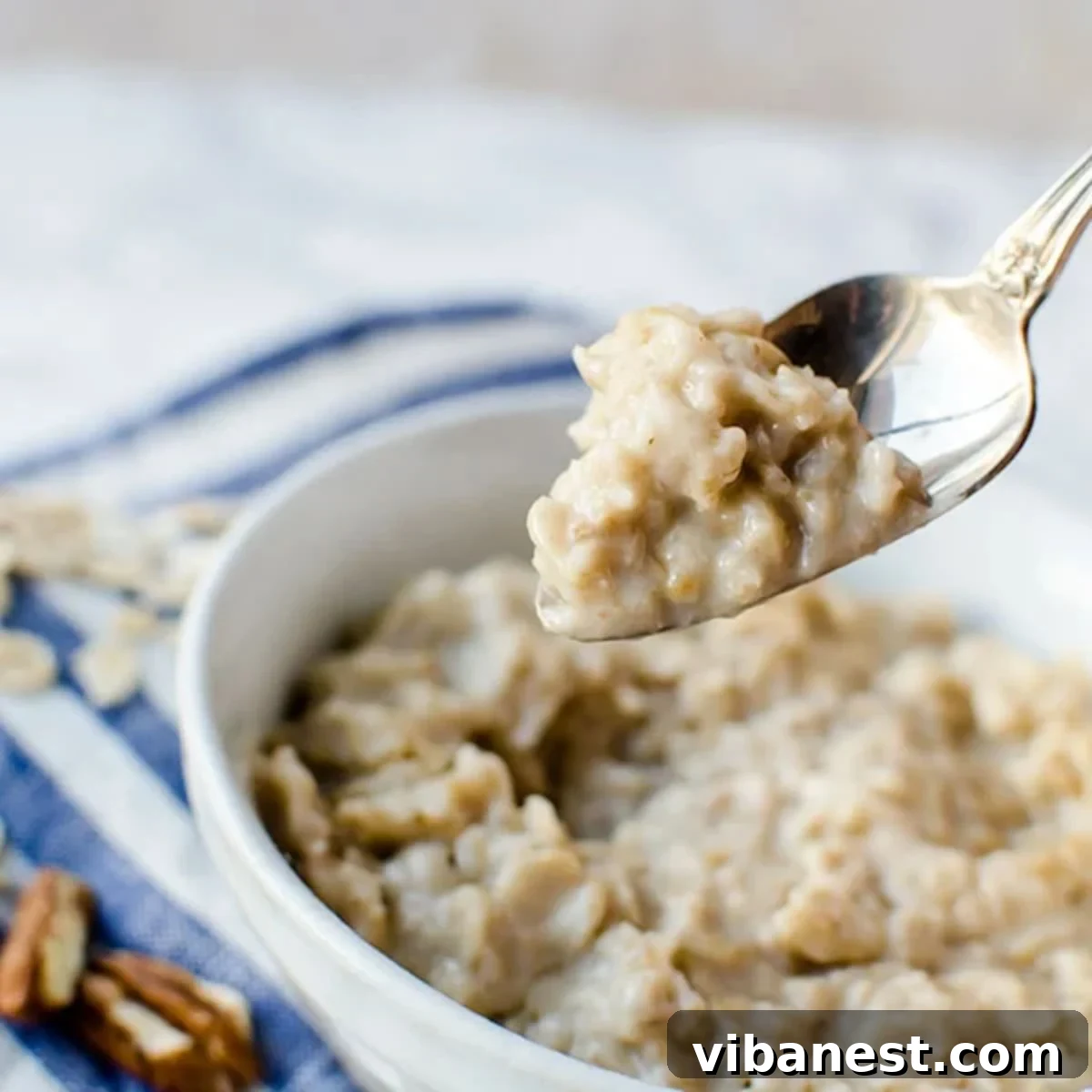
Master the art of making delicious, creamy oatmeal – whether you prefer it with milk or water, and discover endless sweet or savory topping possibilities! This guide will show you how to prepare a truly satisfying and flavorful bowl every time.
Oatmeal stands as a beloved breakfast staple in countless homes, and for good reason. It’s not just incredibly healthy and delicious, but also wonderfully versatile and effortlessly easy to prepare. In my own kitchen, oatmeal graces our breakfast table most mornings. We enjoy the refreshing simplicity of overnight oats during warmer months and hearty slow cooker steel-cut oats when the weather turns chilly. This particular recipe, prepared on the stovetop, offers a classic, nourishing foundation that you can customize with an array of toppings, from fresh fruits and crunchy nuts to aromatic spices. It’s truly a go-to option for a quick, energizing, and highly customizable start to your day.
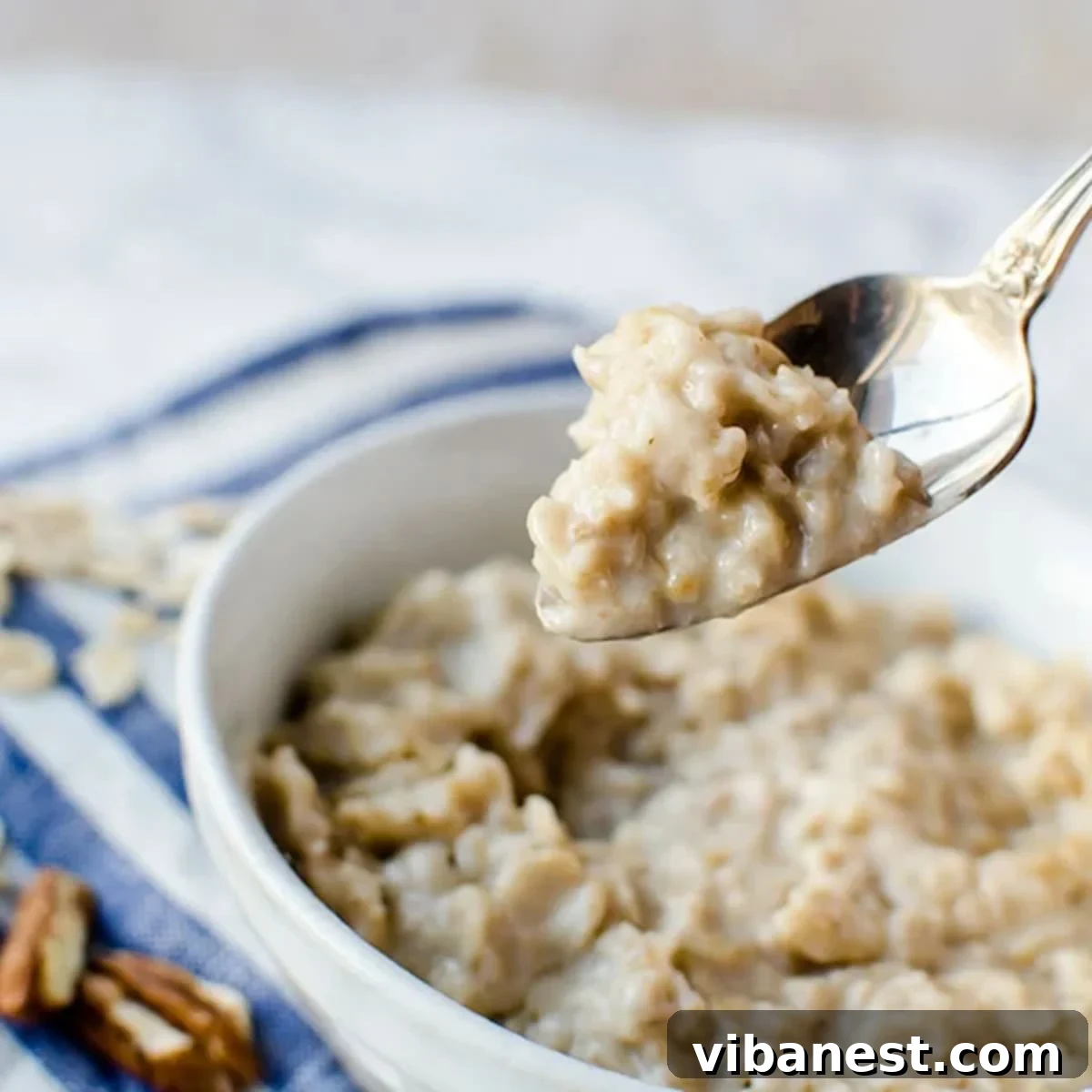
Beyond its simple preparation, oatmeal is a kitchen essential for its incredible nutritional benefits. It keeps you feeling full and energized for hours, making it an ideal breakfast choice to power through your morning without the dreaded mid-morning crash. Learning how to prepare a perfect bowl of oatmeal is a foundational cooking skill that yields delicious results.
Love this recipe? Save it for later!
Pin It Now
Why Oatmeal is the Ultimate Healthy Breakfast
Oatmeal is more than just a quick meal; it’s a nutritional powerhouse that offers numerous health benefits. Rich in soluble fiber, particularly beta-glucan, oats help lower cholesterol levels, stabilize blood sugar, and promote digestive health. This fiber also contributes to a feeling of fullness, aiding in weight management by reducing cravings throughout the morning. Oats are a great source of essential vitamins and minerals, including manganese, phosphorus, magnesium, copper, iron, and zinc, all crucial for overall well-being. Furthermore, they provide a steady release of energy, making oatmeal an excellent choice for sustaining you through busy mornings. Its naturally gluten-free nature (when certified) also makes it an accessible option for those with dietary restrictions.
Understanding Different Types of Oats for Your Oatmeal
Embarking on your oatmeal-making journey means understanding the various types of oats available, as each offers a unique texture and cooking time. While the basic process is straightforward, choosing the right oat can significantly impact your breakfast experience. Here’s a quick overview of the most common types:
- Steel-Cut Oats: These are whole oat groats that have been cut into two or three pieces, rather than rolled. They have a chewy texture and take the longest to cook, typically 20-30 minutes on the stovetop. They are excellent for a hearty, rustic bowl, often made in a slow cooker or as Instant Pot oatmeal.
- Rolled Oats (Old-Fashioned Oats): These are whole oat groats that have been steamed and then rolled flat. This process partially cooks them, making them quicker to prepare than steel-cut oats, usually in about 5-10 minutes. They offer a creamy yet still somewhat chewy texture, striking a perfect balance for many.
- Quick Oats (Instant Oats): These are rolled oats that have been further processed, steamed for longer, and cut into smaller pieces. They cook very quickly, often in just 1-3 minutes, making them ideal for microwave preparation or when you’re in a rush. However, their texture is generally softer and less substantial than old-fashioned or steel-cut oats.
For this particular recipe, we will be focusing on making oatmeal with old-fashioned rolled oats. They are less processed than quick oats, allowing them to retain more of their natural texture and nutritional value, but cook significantly faster than steel-cut oats. This makes them the ideal choice for a perfectly balanced, creamy, and satisfying bowl of stovetop oatmeal that’s both quick and delicious.
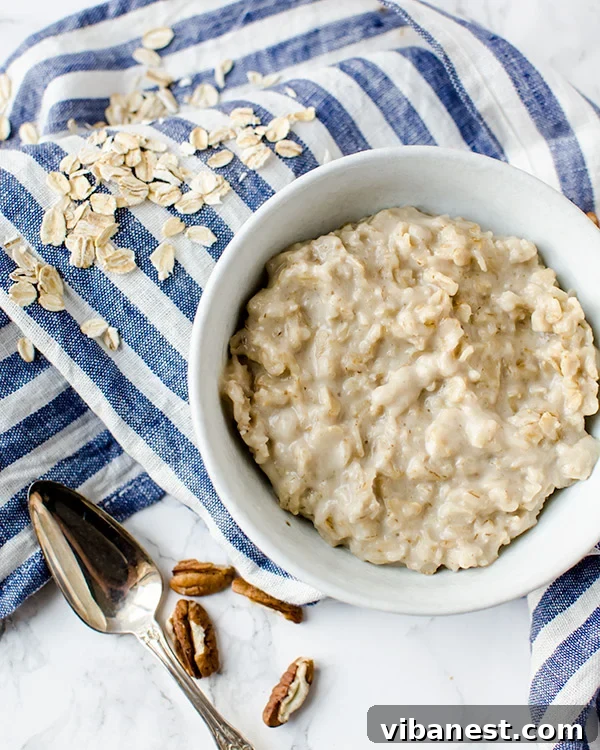
How To Make The Best Creamy Oatmeal on the Stovetop
Creating a truly creamy and flavorful bowl of oatmeal is simpler than you might think. While many recipes opt for water, I highly recommend using milk for this basic recipe due to the incredible depth of flavor and luscious creaminess it imparts. If you’re aiming for extra thick oatmeal, consider slightly decreasing the amount of liquid used. Though not strictly required, a touch of butter and a pinch of salt significantly enhance the overall flavor profile, making the oats truly shine in both sweet and savory preparations. For precise measurements and a full recipe card, please scroll to the bottom of this post.
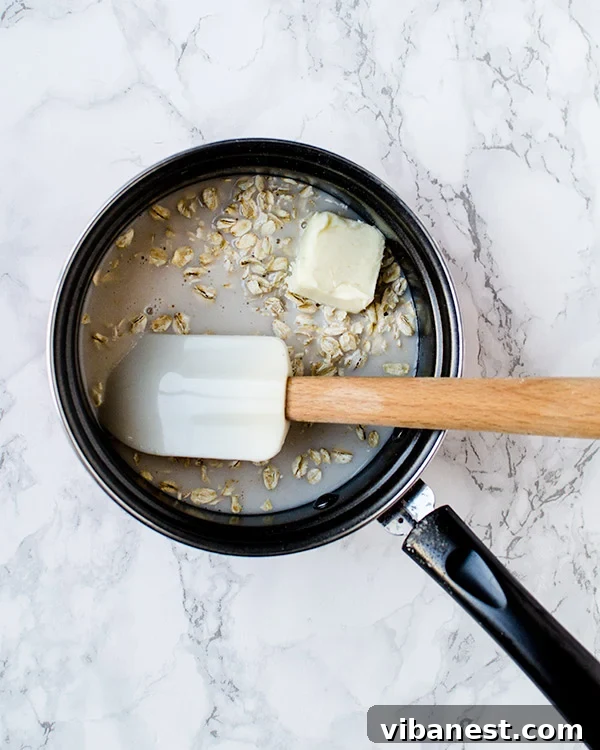
- Combine Ingredients: In a small saucepan, combine the old-fashioned oats, milk (or water), salt, and unsalted butter. Place the saucepan over medium heat.
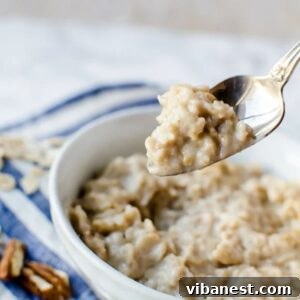
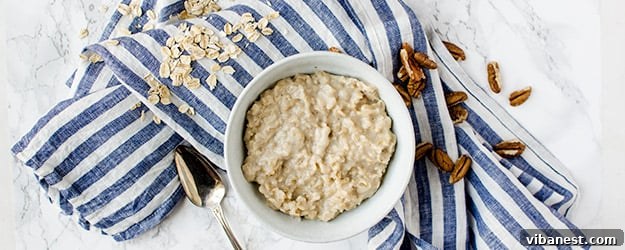
- Cook to Perfection: Stir the mixture gently but consistently as it heats up. You’ll notice it beginning to bubble and thicken within approximately 5 minutes as the oats soften. The goal is a thick, creamy consistency. If you prefer a thinner oatmeal, feel free to add a splash more milk or water until it reaches your desired texture.
- Incorporate Mix-ins: Your perfectly cooked oatmeal is delicious as is, but this is also the ideal moment to introduce any desired mix-ins that benefit from being heated and melted directly into the oats, such as peanut butter or shredded cheese. Explore a wide array of flavoring ideas in the “Oatmeal Mix-Ins” section below.
- Serve and Garnish: Once cooked to your liking, pour the creamy oatmeal into your favorite bowl. Now, add any additional toppings that you prefer to remain fresh and distinct, like fresh fruit, nuts, or a drizzle of maple syrup. Enjoy your warm, comforting, and personalized breakfast!
Achieving the Perfect Oatmeal Consistency: The Golden Ratio
Whether you prefer to make your oatmeal with rich milk or simple water, the secret to consistent and perfectly cooked oats lies in mastering the liquid-to-oat ratio. I highly recommend sticking to a consistent ratio of 1 part oatmeal to 2 parts liquid. For a single, satisfying serving, this translates to using 1/2 cup of old-fashioned oats with 1 cup of milk (or water). This ratio typically yields a wonderfully creamy and pleasantly thick oatmeal. However, taste and texture preferences vary greatly. If you find yourself desiring a thinner consistency, simply add a tablespoon or two more liquid (milk or water) at a time, stirring well after each addition, until your oatmeal reaches your ideal creaminess. Conversely, for an even thicker bowl, a slight reduction in liquid can be made, but be mindful not to let it become too dry.
Unleash Your Creativity: Endless Oatmeal Mix-Ins and Topping Ideas
One of the greatest joys of oatmeal is its incredible adaptability. Once you’ve mastered the basic cooking method, the possibilities for flavor combinations are truly limitless! I like to approach mix-ins in two stages to maximize their impact. The first stage involves ingredients that benefit from being cooked directly into the oats, allowing their flavors to meld and their textures to soften or melt. These are best added to the saucepan just before the oats are fully ready:
- For Sweet Bowls: A spoonful of peanut butter or almond butter for nutty creaminess, cocoa powder for a chocolatey twist, a dash of cinnamon or pumpkin pie spice for warmth, or a touch of brown sugar or maple syrup for sweetness.
- For Savory Bowls: Shredded cheese (cheddar or Parmesan work wonderfully), nutritional yeast for a cheesy umami flavor, or a swirl of pesto.
The second stage involves garnishes and toppings added after the oatmeal is in your bowl. These maintain their distinct texture and freshness, providing delightful contrasts:
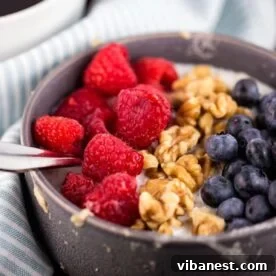
- Fresh Fruits: Sliced bananas, vibrant berries (strawberries, blueberries, raspberries), diced apples, peaches, or mango.
- Dried Fruits: Raisins, cranberries, chopped dates, or apricots add natural sweetness and chewiness.
- Nuts & Seeds: Sliced almonds, chopped walnuts, pecans, chia seeds, flax seeds, or hemp hearts for crunch and healthy fats.
- Sweeteners & Spices: A drizzle of honey or agave, a sprinkle of coconut flakes, extra cinnamon, or a pinch of cardamom.
- Savory Additions: Crumbled bacon or sausage, a fried or poached egg, sliced avocado, chopped green onions, a sprinkle of everything bagel seasoning, or a dash of hot sauce for a truly unique breakfast experience.
Experiment with different combinations to discover your personal favorites. From a comforting banana-nut combination to an adventurous cheese and herb bowl, oatmeal is your canvas!
Quick Options: Microwave Oatmeal and Beyond
While this recipe champions the stovetop method for its superior creaminess, sometimes time is of the essence. If you’re looking for an even faster option, microwave oatmeal is a fantastic alternative. I have a dedicated guide for how to make oatmeal in the microwave that provides all the tips you need for a quick yet satisfying bowl. For those who enjoy planning ahead, overnight oats offer a no-cook solution, perfect for busy mornings when you need to grab and go.
Storing and Reheating Leftovers
Should you find yourself with leftover oatmeal (though it’s so delicious, that’s rare!), it stores wonderfully. Simply transfer any cooled leftovers to an airtight container and refrigerate for up to three days. When you’re ready to enjoy it again, reheat the oatmeal in the microwave or on the stovetop over low heat. It will likely thicken during refrigeration, so add a splash of milk or water while reheating, stirring occasionally, until it returns to your preferred creamy consistency.
Print Recipe
The Best Creamy Stovetop Oatmeal
Ingredients
- 1/2 cup old-fashioned oats
- 1 cup milk (or water, for a less creamy option)
- 1/4 tsp salt (optional, but recommended)
- 1 tbsp unsalted butter (optional, for richness)
- Mix-ins and toppings as desired (see notes above for ideas)
Instructions
-
Combine the oats, milk (or water), salt, and butter in a small saucepan over medium heat.
-
Stir the mixture gently until it begins to bubble and the oats soften. This process typically takes about 5 minutes, resulting in a thick and creamy texture. Add more milk or water if you prefer a thinner oatmeal consistency.
-
At this stage, you can stir in any mix-ins that benefit from being melted or thoroughly incorporated, such as peanut butter, cocoa powder, brown sugar, or even cheese and herbs for a savory option.
-
Pour the cooked oats into your serving bowl. Garnish with any other desired mix-ins, like fresh fruits, nuts, dried berries, or crumbled bacon, for added texture and flavor. Serve warm and enjoy!
Tried this recipe?
Mention @CenterCutCook and tag #CenterCutCook!
Frequently Asked Questions About Oatmeal
For a boost of nutrition, opt for fresh fruits (like berries, bananas, or apples), a variety of nuts and seeds (almonds, walnuts, chia seeds, flax seeds), natural nut butters (peanut, almond), or even savory options like a fried egg and sliced avocado. These additions provide fiber, healthy fats, vitamins, and protein.
A 1:2 ratio is generally recommended for perfectly creamy old-fashioned oats. This means using 1 part old-fashioned oats to 2 parts liquid (milk or water). For example, 1/2 cup of oats with 1 cup of liquid.
The simplest way to achieve creamier oatmeal is by cooking it with milk (dairy or plant-based) instead of water. Additionally, a small amount of butter or a swirl of nut butter can significantly enhance creaminess and richness. Slow cooking also helps achieve a luxurious texture.
While oats are inherently gluten-free, they are often processed in facilities that also handle wheat, barley, and rye, leading to potential cross-contamination. If you have celiac disease or a gluten sensitivity, always look for oats explicitly labeled as “certified gluten-free” to ensure they meet strict standards.
To prevent boil-overs, use a saucepan larger than you think you’ll need, and keep the heat at a gentle simmer rather than a rolling boil. Stirring frequently, especially as it thickens, also helps. You can also place a wooden spoon across the top of the pot; it often helps to break the surface tension.
Oatmeal is truly one of the most versatile and rewarding recipes you can master. Once you understand the basic principles of how to cook oatmeal, your culinary creativity can take over with all the delightful toppings and mix-ins. Whether you’re seeking a quick weekday breakfast or a comforting weekend meal, a bowl of homemade oatmeal is always a fantastic choice. Enjoy exploring the endless possibilities!