
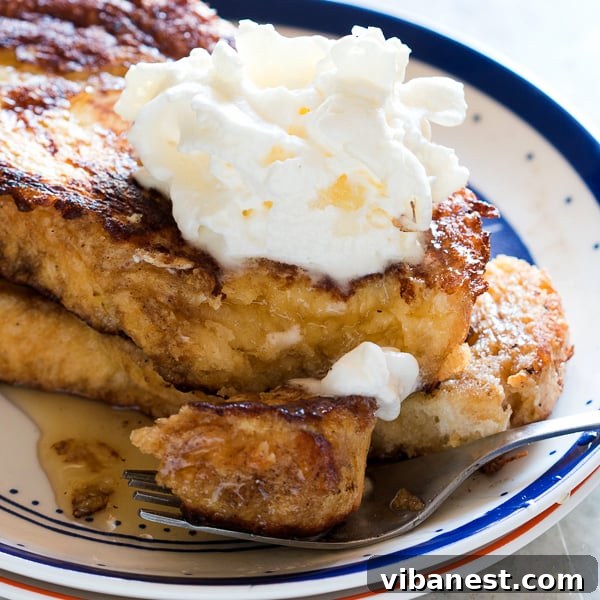
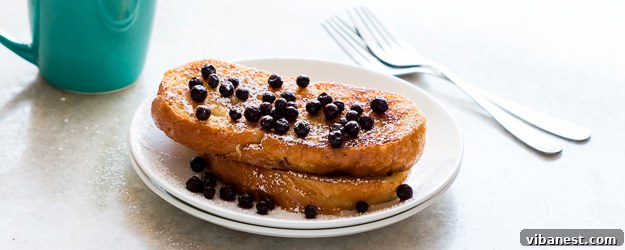
There’s something uniquely comforting and utterly delicious about a plate of perfectly made French toast. Yet, for many home cooks, replicating that golden, custardy perfection found in a beloved brunch cafe remains an elusive dream. You’ve likely experienced the frustration: returning home inspired, only to create a soggy, undercooked, or overly “eggy” version that falls far short of your expectations. This common culinary challenge plagued me for years until I finally unlocked the fundamental secrets to consistently achieving French toast nirvana. This comprehensive guide will equip you with all the knowledge and techniques to transform your breakfast attempts into guaranteed successes, allowing you to master the art of homemade French toast.
The Unveiling: Essential Secrets to Flawless French Toast
My journey to perfect French toast was paved with many failed attempts. Each time, I felt I was missing a crucial piece of the puzzle. It wasn’t until I meticulously experimented and observed that I pinpointed the four non-negotiable elements that elevate French toast from good to extraordinary. These aren’t just tips; they are the bedrock upon which truly remarkable French toast is built.
The Four Pillars of French Toast Perfection:
- Slightly Stale Bread: The Foundation of Flavor. This might seem counterintuitive, but fresh, soft bread is your enemy here. Day-old or slightly stale bread has less moisture, making it incredibly absorbent. It acts like a sponge, eagerly soaking up every drop of your rich custard without turning into a mushy mess. This ensures a beautifully custardy interior that holds its shape when cooked. If your bread is fresh, simply slice it and leave it exposed to the air for a few hours, or even overnight, to dry out slightly. This simple step makes a world of difference.
- Fresh, High-Quality Eggs: The Soul of the Custard. Eggs are the heart of your French toast custard, providing richness, binding, and that signature golden hue. Using fresh, good-quality eggs yields a superior flavor and texture. Avoid eggs that are past their prime, as they can impart an undesirable sulfurous taste. Whisking them thoroughly is also key to a smooth, uniform custard.
- A Reliable Cast Iron Pan: For Superior Searing and Color. While any pan can cook French toast, a well-seasoned cast iron skillet is a game-changer. Its exceptional heat retention and even heat distribution are unmatched, allowing you to achieve a consistently golden-brown, slightly crisp exterior without burning. The consistent temperature also ensures the interior cooks thoroughly, preventing a raw center. If you don’t have cast iron, a heavy-bottomed non-stick pan is the next best option.
- An Unsliced Loaf: The Power of Custom Thickness. Pre-sliced bread often comes in thin, standardized slices. To truly master French toast, you need control over the thickness of your bread. An unsliced loaf allows you to cut generous slices, ideally ¾ to 1 inch thick. This thickness is crucial because it provides enough surface area to absorb ample custard while still offering a substantial, satisfying bite that won’t fall apart during cooking.
By understanding and applying these core principles, you are already well on your way to French toast mastery. But the journey doesn’t end with secrets alone! Continue reading for a detailed, step-by-step guide that takes the guesswork out of every stage, ensuring your homemade French toast is nothing short of perfection.
Selecting Your Canvas: The Best Breads for French Toast
The bread you choose sets the stage for your French toast experience. While any bread can technically be used, certain varieties possess characteristics that make them exceptionally suited for soaking up custard and achieving that ideal texture.
- Challah Bread: A true champion for French toast. This traditional Jewish egg bread is rich, slightly sweet, and boasts a dense yet tender crumb. Its structure allows it to absorb a significant amount of custard without becoming soggy, yielding an incredibly moist and flavorful interior.
- Brioche: Hailing from France, brioche is a decadent, buttery, and egg-rich bread. It produces an extraordinarily rich and tender French toast, bordering on dessert-like. Its soft, airy texture, when slightly stale, becomes wonderfully custardy.
- Texas Toast: These extra-thick slices are fantastic for creating a hearty, robust French toast. Their ample surface area means more custard absorption and a truly substantial breakfast.
- Sourdough Bread: For those who appreciate a hint of tang, sourdough offers a delightful contrast to the sweet custard. Its firm crust and chewy interior hold up beautifully to soaking and cooking, providing a unique flavor profile.
- Day-Old Baguette or French Bread: A more rustic choice, these can provide a wonderful crispy exterior and a soft, chewy interior. Slice them diagonally to maximize surface area for soaking.
The key takeaway, regardless of your chosen bread, is to use slices that are slightly stale. This readiness to absorb is what separates average French toast from truly exceptional French toast.
Once you’ve made your bread selection, carefully slice your loaf into uniform pieces. Aim for a thickness of approximately ¾ to 1 inch. This optimal thickness ensures that the bread can adequately absorb the custard without becoming flimsy, and it will cook through evenly. A serrated knife is your best tool for achieving clean, even slices without crushing the bread.
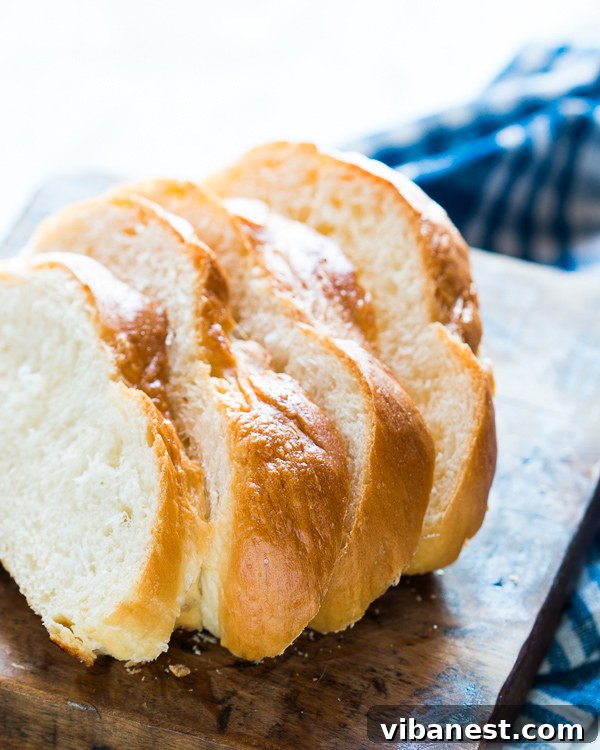
Image: The critical first step – precisely slicing your chosen loaf to the perfect thickness.
The Art of the Custard: Mixing Your Liquid Gold
The custard is arguably the most important component of French toast, as it imparts the majority of the flavor and creates that desirable creamy texture. Our recipe provides a perfectly balanced custard, but understanding the role of each ingredient allows for confident adjustments and customizations.
In a wide, shallow bowl or a baking pan – the wide, flat shape is essential for easy and even dipping – combine your fresh eggs, granulated sugar, pure vanilla extract, half-and-half, and a crucial pinch of salt.
- Eggs: The base of the custard. For the best results, ensure they are at room temperature, which helps them incorporate more smoothly with the other ingredients.
- Sugar: Adds sweetness and contributes to the beautiful caramelization that gives French toast its golden-brown crust. You can adjust the amount based on your preference for sweetness.
- Vanilla Extract: A non-negotiable flavor enhancer. Pure vanilla extract, rather than imitation, provides a rich, aromatic depth that elevates the entire dish.
- Half-and-Half: This dairy product strikes the perfect balance between the richness of heavy cream and the lightness of milk. It contributes to a decadent, creamy custard. You can substitute whole milk for a slightly lighter version or heavy cream for an ultra-indulgent treat. For dairy-free options, full-fat oat milk or cashew milk can be used, though they may slightly alter the final texture.
- Salt: A tiny but mighty ingredient! A pinch of salt doesn’t make the French toast salty; instead, it balances the sweetness, enhances the flavor of the eggs and vanilla, and prevents the custard from tasting bland.
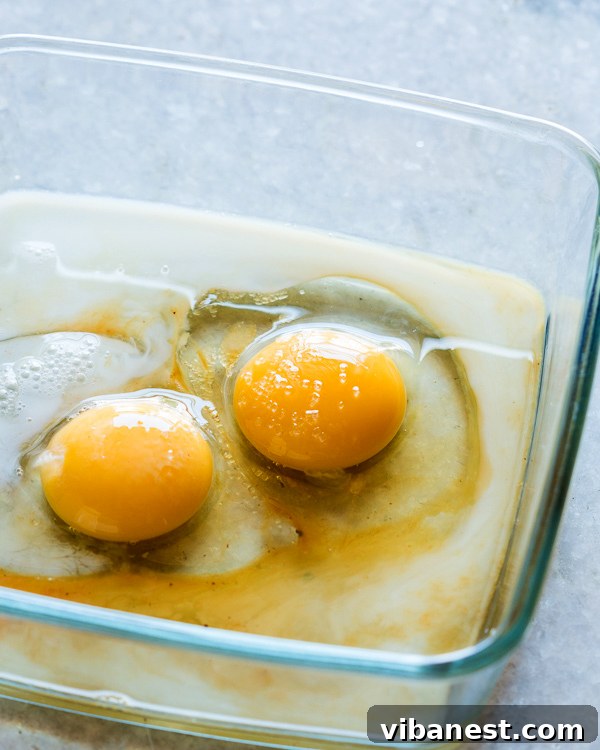
Image: The initial blend of fresh eggs, sugar, vanilla extract, half-and-half, and salt in a shallow dish.
Now, it’s time to whisk! Using a fork or a whisk, beat the mixture vigorously until it is completely smooth, light, and slightly frothy. This isn’t just about combining ingredients; it’s about aerating the custard and ensuring the egg yolks and whites are fully integrated. Any unmixed streaks of egg white can lead to an unevenly cooked, rubbery texture in your final product. The goal is a uniform, pale yellow liquid, ready to infuse your bread with flavor.
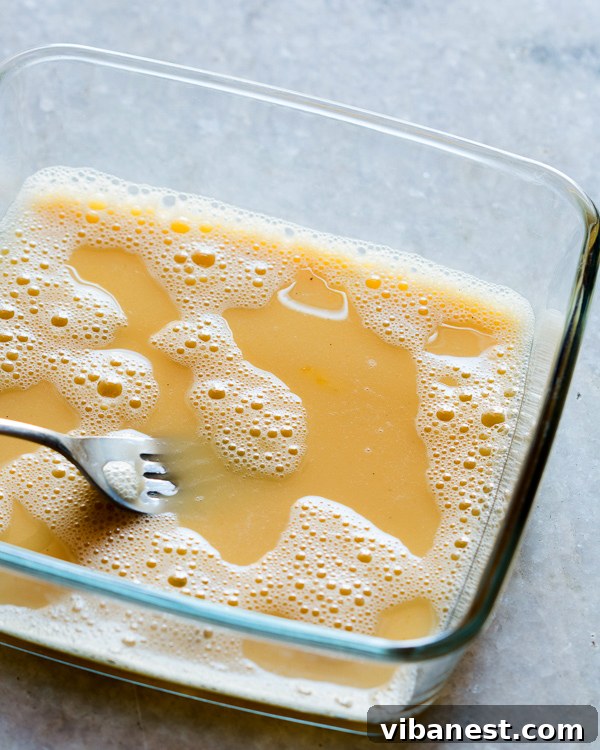
Image: Whisking the custard mixture vigorously until it becomes light and fluffy.
The Crucial Soak: Imparting Richness to Your Bread
This is the moment where your slightly stale bread proves its worth. The goal of the soaking stage is to allow the bread to absorb a generous amount of custard, becoming rich and heavy, without becoming so saturated that it disintegrates.
Carefully place a slice of your prepared bread into the whisked egg custard mixture. Gently press it down to ensure both sides are fully submerged. For thicker slices (¾ to 1 inch), allow it to soak for approximately 20-30 seconds per side. Thinner slices will require slightly less time, around 10-15 seconds per side. You want the bread to feel noticeably heavier and softened, indicating deep saturation, but it should still hold its structural integrity. If you lift the bread and see dry spots, or if the liquid quickly pools on top, give it a few more seconds. Uniform absorption is key to a truly custardy, flavorful French toast. Patience here will be rewarded with a moist, delicious interior.
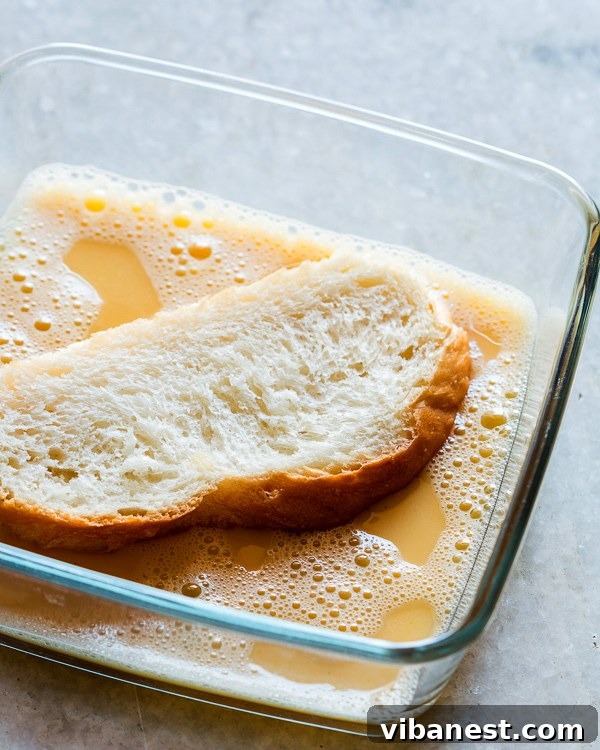
Image: Gently dipping bread slices into the luscious egg custard, ensuring complete and even coating.
Once adequately soaked, carefully lift the bread slice from the custard, allowing any excess liquid to drip back into the bowl. This prevents too much moisture from reaching your hot pan, which could lead to steaming rather than searing, and ensures a cleaner, crispier cook.
The Sizzle: Achieving Golden-Brown Perfection on the Stovetop
With your bread perfectly soaked, the final step is to cook it to that irresistible golden-brown perfection. The correct temperature and fat combination are crucial for achieving a beautifully crisp exterior and a warm, tender interior.
Place your cast iron pan or heavy-bottomed non-stick skillet over medium heat. It’s important to allow the pan to preheat properly; too low a heat will result in greasy French toast, while too high will burn the exterior before the interior is cooked through.
Add a tablespoon of unsalted butter and a teaspoon of vegetable oil (or another neutral cooking oil) to the hot pan. The combination of butter and oil is strategic: butter provides incredible flavor and aids in browning, while the oil raises the overall smoke point of the fat, preventing the butter from burning and turning bitter too quickly. Swirl the pan to ensure the butter and oil evenly coat the cooking surface.
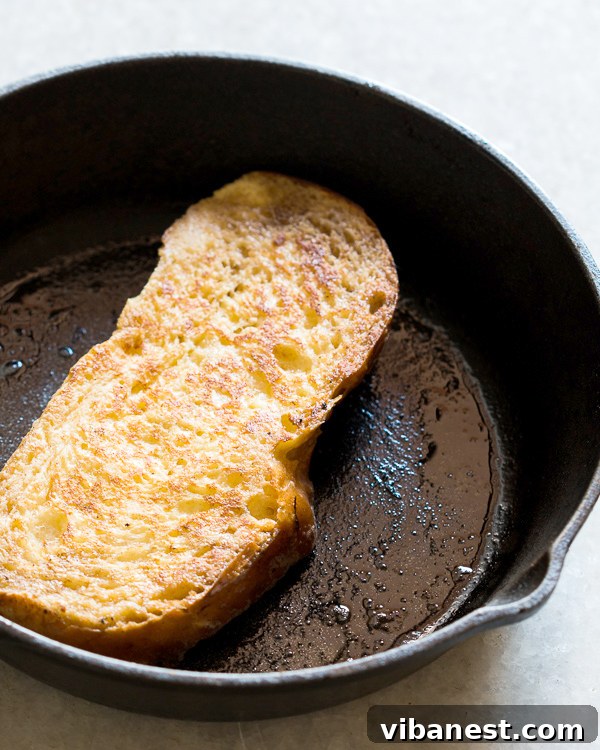
Image: Cooking the French toast slices until they develop a beautiful golden-brown crust.
Carefully slide your soaked bread slices into the hot pan. Be mindful not to overcrowd the pan; cook only as many slices as can comfortably fit without touching. Overcrowding lowers the pan’s temperature and can lead to uneven cooking and steaming, resulting in a less desirable texture.
Cook each side for approximately 2-3 minutes. Look for a rich, golden-brown crust to form. The edges should appear slightly crisp, and the bread itself should feel slightly firm when gently pressed with a spatula. Once the first side is perfectly golden, carefully flip the slices and cook for another 2-3 minutes on the second side, until it matches the golden hue and is cooked through. If cooking in batches, add a little more butter and oil to the pan as needed between each batch to maintain even cooking. To keep cooked slices warm while you finish the rest, place them on a wire rack set over a baking sheet in a preheated oven at a low temperature (around 200°F or 95°C).
Elevate Your Experience: Creative Serving Suggestions
While French toast is a delight on its own, its true magic often shines through with the right accompaniments. The beauty lies in its versatility, allowing for a spectrum of toppings from traditional to decadent.
-
The Classics:
- Pure Maple Syrup: The quintessential partner. Warm it gently for an enhanced experience.
- Powdered Sugar: A simple dusting adds an elegant finish and delicate sweetness.
- Whipped Cream: Homemade, lightly sweetened whipped cream offers a luxurious, airy contrast.
- Honey: A natural, floral sweetener that pairs beautifully.
-
Fresh & Fruity Additions:
- Mixed Berries: Strawberries, blueberries, raspberries, and blackberries provide freshness, vibrant color, and a pleasant tartness.
- Sliced Bananas: Especially good with a drizzle of caramel, chocolate, or a sprinkle of cinnamon.
- Fruit Compotes: Homemade or store-bought compotes (like apple, peach, or mixed berry) add a burst of fruit flavor and a lovely textural contrast.
- Citrus Zest: A touch of grated lemon or orange zest over the top can brighten all the flavors.
-
Decadent Indulgences:
- Chocolate Chips or Sauce: For the ultimate sweet treat, sprinkle chips or drizzle sauce while warm.
- Nutella: A rich hazelnut spread for a deeply satisfying flavor.
- Toasted Nuts: Pecans, walnuts, or almonds add a delightful crunch and nutty flavor.
- Ice Cream: For a truly dessert-like experience, a scoop of vanilla bean or coffee ice cream can be incredible.
-
Savory Twists:
- Crispy Bacon or Sausage: The salty, savory contrast to sweet French toast is a surprisingly harmonious pairing.
- Fried Egg: For a hearty, diner-style brunch, top with a perfectly cooked fried egg.
Don’t hesitate to experiment and combine your favorites! A combination of fresh berries, a dollop of whipped cream, and a generous pour of warm maple syrup is a timeless and always delightful choice.
Beyond the Recipe: Expert Tips for French Toast Mastery
While the step-by-step guide covers the essentials, these additional tips and tricks will help you fine-tune your technique and consistently produce extraordinary French toast every single time.
- Never Overcrowd Your Pan: This is one of the most common mistakes. Overcrowding lowers the pan’s temperature significantly, causing the French toast to steam rather than sear. This results in a pale, soggy, and unappetizing texture. Cook in batches, giving each slice ample space.
- Maintain Consistent Heat: Pay attention to your stovetop. If the French toast is browning too quickly, reduce the heat slightly. If it’s cooking too slowly and absorbing too much fat, increase it a bit. Consistent medium heat is your goal.
- Use a Wide, Shallow Dish for Dipping: This ensures your bread can be fully submerged and evenly coated in the custard without having to bend or break it. A pie plate, lasagna dish, or shallow baking pan works perfectly.
- Prepare Custard in Advance: To save time on busy mornings, the egg custard mixture can be prepared the night before. Store it in an airtight container in the refrigerator. Give it a good whisk just before using it to reincorporate any separated ingredients.
- Reheating Leftovers: Cooked French toast can be stored in an airtight container in the refrigerator for up to 2-3 days. For best reheating results, use a toaster oven or a dry skillet over medium-low heat until warmed through and slightly crispy. A regular toaster can also work for a quick reheat, though it may not be as evenly heated. Microwaving is an option but can sometimes lead to a slightly rubbery texture.
- Experiment with Spices and Zests: Beyond vanilla, consider adding a pinch of cinnamon, nutmeg, or even a tiny amount of cardamom or espresso powder to your custard for added depth and warmth. A teaspoon of orange or lemon zest can also introduce a bright, refreshing note that beautifully complements the sweetness.
- Serve Immediately: French toast is best enjoyed fresh off the pan. The contrast of the warm, custardy interior with the slightly crisp exterior is at its peak right after cooking.
Congratulations! You now possess all the insider knowledge and practical steps to create the best French toast you’ve ever tasted, rivaling any cafe or restaurant. Say goodbye to breakfast disappointments and hello to consistently perfect, golden-brown, custardy slices of pure joy. Your breakfast table is about to become your favorite brunch spot.
Do you have any personal tips, unique topping ideas, or secret ingredients that make your French toast truly special? Share your insights and culinary wisdom in the comments section below! Let’s continue to inspire each other to reach new heights in the world of breakfast delights.
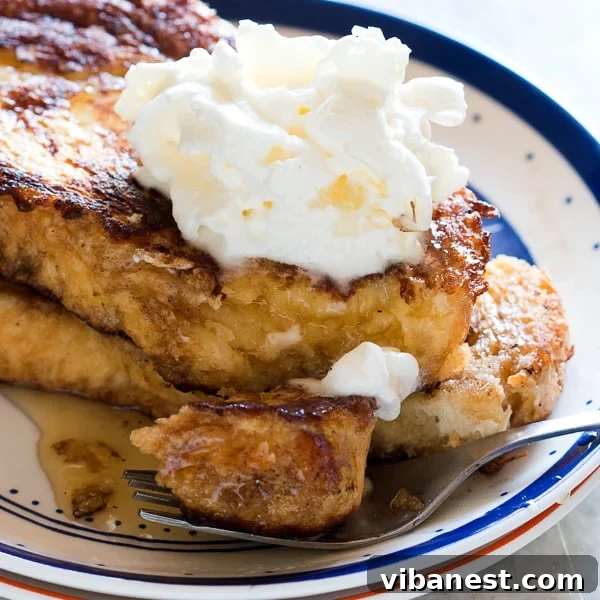
Ultimate Homemade French Toast Recipe
This foolproof recipe incorporates all the essential tips and tricks for making perfectly golden, custardy French toast that rivals your favorite brunch spot. Easy to follow and absolutely delicious!
INGREDIENTS
- 4 large Fresh Eggs
- 1 teaspoon Pure Vanilla Extract
- 1/4 cup Granulated Sugar (adjust to desired sweetness)
- 1/2 cup Half-and-Half (or whole milk/heavy cream)
- 1/2 teaspoon Fine Sea Salt
- 8-10 Slices Day-Old Challah or Brioche Bread (about 3/4 to 1 inch thick)
- 2 tablespoons Unsalted Butter
- 1 tablespoon Vegetable Oil (or other neutral cooking oil like canola or grapeseed)
- Optional Toppings: Pure maple syrup, powdered sugar, fresh mixed berries, homemade whipped cream, honey, chocolate sauce, toasted nuts, fruit compote.
DIRECTIONS
- Prepare the Custard: In a wide, shallow baking dish or pan (a pie plate works well), vigorously whisk together the fresh eggs, pure vanilla extract, granulated sugar, half-and-half, and fine sea salt until the mixture is light, frothy, and completely smooth. Ensure there are no visible streaks of egg white and the sugar is fully dissolved.
- Slice the Bread: If using an unsliced loaf, slice your day-old Challah or Brioche bread into uniform pieces, approximately 3/4 to 1 inch thick.
- Soak the Bread: Gently place 2-3 slices of bread (depending on your pan’s size) into the prepared egg mixture. Allow each side to soak for 20-30 seconds, or until the bread feels heavy and thoroughly saturated but not soggy or falling apart. Lift carefully, allowing any excess custard to drip back into the dish.
- Heat the Pan: Heat half the unsalted butter and half the vegetable oil in a large cast iron skillet or heavy-bottomed non-stick pan over medium heat. Allow the butter to melt and foam gently, then swirl to coat the pan evenly.
- Cook the French Toast: Carefully slide the soaked bread slices into the hot pan, ensuring not to overcrowd it. Cook for 2-3 minutes per side, or until each side is beautifully golden brown and cooked through. The interior should be warm and custardy.
- Repeat and Serve: Transfer cooked French toast to a plate or a warm oven (set to 200°F / 95°C) to keep warm while you repeat the process with the remaining bread. Add more butter and oil as needed for subsequent batches. Serve warm immediately with your favorite toppings.