
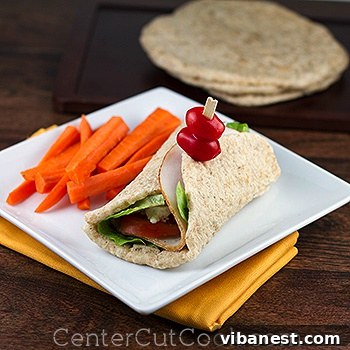
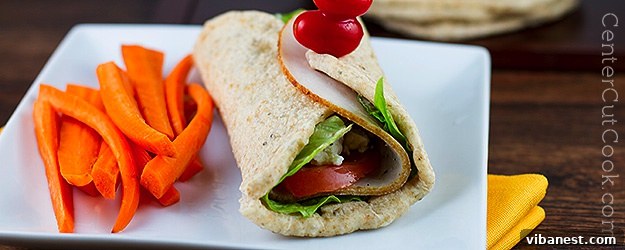
Homemade Flatbread: A Journey from the Couch to the Kitchen
Life often presents us with unexpected challenges and equally surprising discoveries. Sometimes, these journeys begin in the most unlikely places, like the comfort of one’s couch, leading us down paths we never anticipated. A couple of months ago, I embarked on one such personal journey: a mission to become a runner. As someone who historically avoided running at all costs, the initial idea felt, frankly, somewhat absurd. Yet, there I was, not just deciding to run, but also determined to enjoy the process. My husband, ever the supportive partner, decided to join me, turning a solo endeavor into a shared adventure.
Our chosen path was the Couch to 5k program, a wonderfully structured regimen designed to gradually transform novices into confident runners. We’re now about four weeks into this program, and I can unequivocally declare my relationship with running is a fierce love-hate saga. There are moments I genuinely despise it – the relentless pounding of my feet on the pavement, the burning sensation in my lungs, and the constant urge to check my phone (yes, there’s an incredibly useful Couch to 5k app that dictates when to run and when to walk) just to see when I can finally slow down to a walk again. Yet, despite these grueling moments, an undeniable sense of exhilaration and accomplishment washes over me the instant we complete a session. It’s a powerful feeling, almost addictive, proving that pushing past discomfort can indeed lead to profound satisfaction and a surprising boost in confidence.
The Culinary Parallel: My Love-Hate Relationship with Traditional Bread Making
This paradoxical relationship between effort and reward isn’t exclusive to the running track. It mirrors another significant area of my life: baking, specifically the art of making homemade bread. I absolutely adore fresh, homemade bread – the comforting aroma that fills the kitchen, the soft, warm texture, and the pure, unadulterated flavor that store-bought versions simply can’t replicate. However, my enthusiasm often wanes when confronted with the typical time commitment. Traditional bread recipes can be incredibly time-consuming, frequently requiring multiple rises and extensive kneading, turning a simple desire for a fresh loaf into an all-day kitchen commitment. This is precisely where the “hate” part of my culinary love-hate story comes in – the sheer duration and patience required by the process.
Last summer, a beacon of hope appeared in my baking world: a recipe for homemade flatbread that promised delicious results without demanding an entire day of my time. It was a revelation! Intrigued by the prospect of quick, fresh bread, I knew I had to try it. And try I did. The moment I tasted that first warm, aromatic piece, I was utterly smitten. This wasn’t just another bread recipe; it was a game-changer that perfectly aligned with my desire for efficiency and flavor.
Why This Homemade Flatbread Recipe Will Transform Your Kitchen
This particular homemade flatbread recipe hits all the right notes, making it a true kitchen hero. It boasts a perfectly soft yet delightfully chewy texture – precisely how I believe flatbread should be. This ideal consistency makes it versatile for a multitude of uses, from hearty wraps to delicate dips. But what truly elevates this recipe from merely “good” to absolutely “amazing” is the thoughtful inclusion of aromatic herbs directly into the dough. The subtle earthy and fragrant notes from Italian seasoning infuse every bite, adding a layer of sophisticated flavor that store-bought options simply can’t match. It’s a simple addition that delivers a profound impact on the overall taste experience.
Beyond its incredible taste and texture, there’s an even more compelling reason to fall in love with this easy flatbread: its remarkable health profile. Each generous, wrap-sized piece contains only about 138 calories! Compare this to many commercially available bread slices, which often clock in at 100 calories per slice. For a typical sandwich, using two slices of store-bought bread means starting with 200 calories from the bread alone. This homemade flatbread allows you to enjoy substantial, flavorful meals while significantly cutting down on calorie intake, all without sacrificing an ounce of taste. It’s a sweet victory for anyone mindful of their diet but unwilling to compromise on flavor and satisfaction.
Unleash Its Potential: Endless Culinary Possibilities with Versatile Flatbread
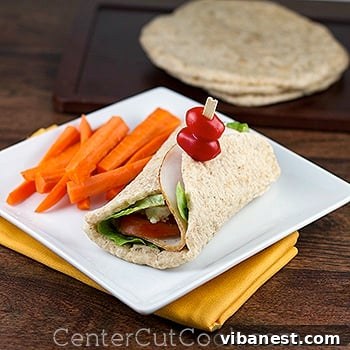
The beauty of this homemade flatbread extends far beyond its delicious taste and healthy attributes; it’s incredibly versatile, making it an indispensable item in your culinary repertoire. Its robust yet pliable structure makes it an ideal canvas for a myriad of culinary creations. Imagine using it as a thin, crispy base for personalized pizzas, piled high with your favorite toppings, or as a quick weeknight dinner solution. Alternatively, transform it into the perfect vessel for healthy, satisfying wraps, whether you’re filling it with grilled chicken and fresh veggies, savory falafel, or a vibrant medley of hummus and crisp salad greens.
Speaking of hummus, this herb-infused flatbread is an absolute dream for dipping. Its slightly chewy texture and herbaceous notes complement creamy dips beautifully, creating a harmonious blend of flavors and textures. Beyond the obvious, consider its potential for delightful breakfast wraps filled with scrambled eggs and cheese, or as an elegant accompaniment to hearty stews and curries, soaking up all the rich, flavorful sauces. You can even use it to create quick, open-faced appetizers like bruschetta topped with fresh tomatoes and basil. For a truly memorable meal, try pairing it with this fantastic recipe for BLT Flatbreads with Avocado Spread – a combination that truly sings with fresh, vibrant flavors!
Another fantastic aspect of this easy flatbread recipe is its adaptability regarding flour. While I’ve achieved excellent results using a 50/50 blend of whole wheat flour and all-purpose flour, you absolutely don’t need to limit yourself. If you prefer a lighter, softer texture, feel free to use all white flour. If you’re looking to boost the fiber content and nutritional value even further, you can experiment with a higher proportion of whole wheat flour. The key is to adjust the water slightly as needed, as different flours absorb liquids differently. This flexibility ensures that you can tailor the flatbread to your dietary preferences, what you have on hand, and your desired texture, making it a truly accessible recipe for every home cook.
The Recipe: Easy Homemade Herb Flatbread – Your New Go-To
Ingredients You’ll Need for Delicious Flatbread
INGREDIENTS
- 1 package (approximately 2 1/4 teaspoons or 7 grams) active dry yeast
- 1/2 teaspoon granulated sugar (essential for activating the yeast)
- 1 cup all-purpose flour (or bread flour for a chewier texture)
- 3/4 cup whole wheat flour (adds nutrition, fiber, and a lovely subtle nutty flavor)
- 1 teaspoon coarse salt (kosher or sea salt works best for enhancing flavor throughout the dough)
- 2 teaspoons high-quality Italian seasoning (or a blend of dried oregano, basil, thyme, and a pinch of rosemary for aromatic depth)
- 3/4 cup warm water (ideally between 105-115°F / 40-46°C; this temperature is crucial for yeast activation without killing it)
- A small amount of olive oil or vegetable oil for greasing the mixing bowl
Step-by-Step Directions for Perfect Homemade Flatbread
DIRECTIONS
- Combine Dry Ingredients: In the bowl of your food processor (or a large mixing bowl if you’re kneading by hand), combine the active dry yeast, sugar, all-purpose flour, whole wheat flour, coarse salt, and Italian seasoning. Pulse these ingredients together a few times until they are thoroughly mixed. This ensures the yeast and flavors are evenly distributed throughout the dry flour mixture.
- Add Water and Form Dough: With the food processor running (or while mixing by hand with a sturdy spoon or dough hook), slowly pour in the warm water. Start with 3/4 cup, but be prepared to add an additional tablespoon or two if the dough appears too dry and isn’t coming together. Mix until the dough comes together and forms a cohesive ball. This process typically takes a few minutes in a food processor, or slightly longer by hand. The final dough should be soft, pliable, and just slightly tacky, but not overly sticky.
- Knead the Dough: Remove the dough from the bowl and transfer it to a lightly floured surface. Knead it consistently for 3-5 minutes until it becomes smooth, elastic, and feels supple. Kneading is vital as it develops the gluten, which is essential for achieving the flatbread’s desired soft yet chewy texture and its ability to rise.
- First Rise: Lightly coat a large, clean bowl with a bit of olive oil or vegetable oil. Place the kneaded dough into the greased bowl, turning it once to ensure all sides are lightly coated with oil. Cover the bowl securely with a damp kitchen towel or plastic wrap. Allow the dough to rise in a warm, draft-free place for approximately one hour, or until it has visibly doubled in size. This rising period allows the yeast to work its magic, developing deeper flavors and contributing to a light, airy texture.
- Punch Down and Knead Briefly: Once the dough has doubled, gently “punch it down” to release the accumulated air. Remove it from the bowl and knead it briefly for another minute or two. This step helps to redistribute the yeast and creates a finer, more consistent crumb in the finished flatbread.
- Divide and Shape: Divide the dough into 6 equal pieces. On a lightly floured surface, take each piece and roll it out into a thin 7-8 inch circle. Aim for an even thickness across each circle to ensure uniform cooking. Don’t worry if your circles aren’t perfectly round; rustic charm is part of the homemade appeal!
- Cook the Flatbread: Heat a non-stick skillet or a cast-iron pan over medium heat. It is crucial that you do NOT grease the pan – the flatbread cooks beautifully without any added oil in the pan. Once the skillet is warm (you can test by flicking a few drops of water onto it; if they sizzle and evaporate immediately, it’s ready), place one piece of rolled flatbread into the pan. Cook for approximately 1-2 minutes per side. You’ll know it’s done when beautiful golden-brown spots appear on the surface and the bread puffs up slightly, indicating it’s cooked through. Repeat this process with the remaining dough pieces.
- Storage and Enjoyment: This homemade flatbread is truly best enjoyed fresh, ideally within a day or two of baking, when its texture and flavor are at their peak. To store, allow the bread to cool completely to prevent condensation, then place it in an airtight container at room temperature. For longer storage, you can freeze individual cooked flatbreads, separated by parchment paper to prevent sticking, in a freezer-safe bag or container for up to one month. To reheat, gently warm them in a dry skillet over low heat or briefly microwave until warm and pliable again.
This incredible recipe for homemade flatbread is an adaptation of a classic from
Kathleen Daelemans on Food Network.
Beyond the Recipe: Embracing Balance and Homemade Delights
Just as my journey with running has taught me the invaluable lessons of persistence, incremental progress, and the sheer joy of pushing personal boundaries, so too has this easy flatbread recipe reinforced the simple yet profound pleasures of homemade goodness. There’s an unparalleled satisfaction in creating something delicious and wholesome from scratch, especially when it saves you time, allows you to control the ingredients, cuts down on unnecessary additives, and tastes infinitely better than anything you could buy off a store shelf. This flatbread isn’t just food; it’s a testament to smart, efficient cooking that doesn’t compromise on quality, flavor, or your health goals.
Whether you’re using it to craft gourmet personal pizzas, assemble nutritious and satisfying wraps for lunch, or simply tear and dip into your favorite spreads and sauces, this herb-infused flatbread will quickly become an indispensable staple in your kitchen. It’s a perfect example of how small, conscious changes – like choosing homemade over store-bought alternatives – can lead to significant improvements in your diet, your culinary skills, and your overall well-being. So, take a page from my book, both on the running path and in the kitchen: embrace the process, savor the effort, and delight in the delicious, healthy rewards. Happy baking, and perhaps, happy running!