
Embarking on a culinary journey can be one of life’s most rewarding experiences, yet for many home cooks, the world of spices remains a daunting frontier. When I first stepped into my own kitchen as a newlywed, my spice rack was a sparse landscape, dominated solely by salt and pepper. Despite a thoughtful shower gift of a beautiful, empty spice organizer, I found myself adrift in a sea of unknown seasonings. The sheer variety at the grocery store was overwhelming, leading me to accumulate a vast collection of jars, most of which sat untouched, silently gathering dust and losing their potency. This common predicament often leaves budding chefs feeling frustrated, with wasted ingredients and under-flavored dishes.
My kitchen evolution, however, mirrored a personal growth in culinary confidence. As I moved beyond quick-fix meals like frozen pizza and instant mac n’ cheese, delving into more intentional cooking, I began to unlock the true potential of herbs and spices. This exploration was not just about following recipes; it was about understanding flavor profiles, experimenting with combinations, and discovering which essential spices truly resonated with my cooking style. This period of trial and error was crucial, transforming my approach from random acquisition to thoughtful curation. Once I identified my go-to seasonings, I was finally able to declutter my pantry, discarding the rarely used, expired jars and making way for an organized, efficient, and aesthetically pleasing spice collection.
Mastering Spice Storage: Innovative Solutions for Every Kitchen
Effective spice storage is more than just keeping jars in a cabinet; it’s about preservation, accessibility, and maximizing your kitchen space. Traditional spice racks, while common, often present significant challenges. Countertop versions can be clunky, consuming valuable workspace and making your kitchen feel cramped. Drawer inserts, while useful for organization, can make it difficult to quickly locate specific spices, especially if you have a large collection. And cabinet-door racks, while clever, might not accommodate larger jars or a wide variety of spices, often leading to a fragmented and inefficient system.
My own frustration with these conventional methods reached a peak a couple of years ago. I craved a storage solution that was not only practical and space-saving but also visually appealing. The quest for the perfect system led me on an inspiring trip to Ikea, a haven for ingenious home solutions. It was there that I discovered their incredibly versatile magnetic knife racks – a brilliant concept that sparked an idea for an elegant spice storage hack.
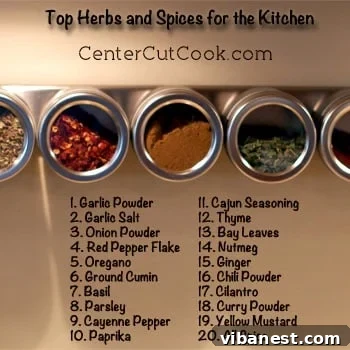
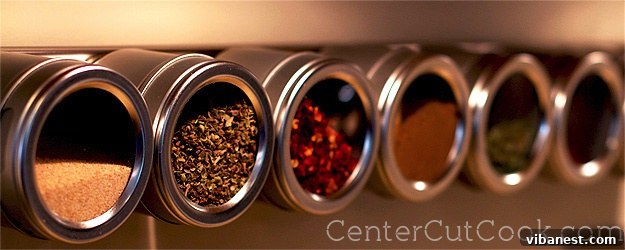
The magnetic bar, designed originally for knives, proved to be the ultimate game-changer for my spice organization. These sleek, minimalist strips screw directly into your wall, instantly transforming vertical space into functional storage. For less than $25, I acquired one magnetic strip (though I seriously considered a second for kitchen knives) and a selection of small, uniform magnetic containers. This simple setup completely revolutionized my spice management. The magnetic bar I chose was perfectly sized to hold eight small canisters, ideal for the spices I reach for most frequently: garlic powder, oregano, red pepper flake, cumin, basil, chili powder, onion powder, and garlic salt. This strategic placement ensures that my most-used seasonings are always within arm’s reach, streamlining my cooking process significantly.
While some spices, like red pepper flakes, are easily identifiable by sight, others, such as garlic powder and onion powder, can look remarkably similar. To avoid any culinary mix-ups, I utilized a simple label maker, a tool I already owned, to clearly mark each container. This small step is crucial for maintaining efficiency and ensuring that you grab the correct ingredient every time. Clear labeling not only saves time but also prevents accidental flavor faux pas, especially when you’re in the midst of a busy cooking session.
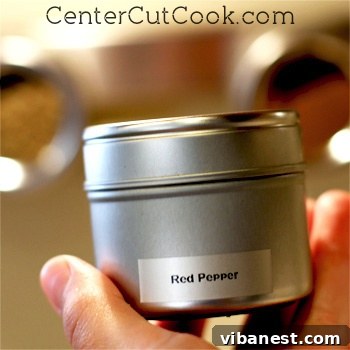
I genuinely couldn’t be happier with this magnetic spice storage system. Its benefits extend far beyond mere functionality. Not only does it liberate precious counter space, but its minimalist design also adds a touch of modern elegance to my kitchen. Time and again, guests comment on how stylish and ingenious it looks, proving that practical solutions can also be beautiful. This system allows me to display my essential spices in an artful manner, turning a functional necessity into a decorative element.
If you’re inspired to implement a similar space-saving and visually appealing solution in your own kitchen, here are some product suggestions. Please note that exact brands may vary, as I purchased mine a few years ago, but these links will guide you to similar items available today. Amazon, in particular, offers a wide array of options to suit different tastes and kitchen aesthetics.
- Magnetic Rack – Approximate Price: $8.99 – Available at IKEA (search for similar magnetic knife racks).
- Magnetic Spice Rack/Canister Set – Approximate Price: $12.97 – Check Amazon for complete sets including both the rack and containers.
In addition to online retailers, you can often find suitable small magnetic containers or spice jars at popular big-box stores. I recall purchasing my canisters from a local Meijer store, as Ikea’s selection of small containers was limited at the time. However, Ikea has since expanded its range, offering various sizes to fit diverse spice collections and storage needs. Target and Wal-Mart are also excellent places to explore for individual jars or small spice sets that can complement a magnetic rack system.
Now that you have a sleek and efficient storage solution for your cherished herbs and spices, the next logical question arises: which ones truly deserve a permanent spot in your culinary arsenal? Building a foundational collection is key to versatile cooking, ensuring you’re always prepared to infuse your dishes with incredible flavor.
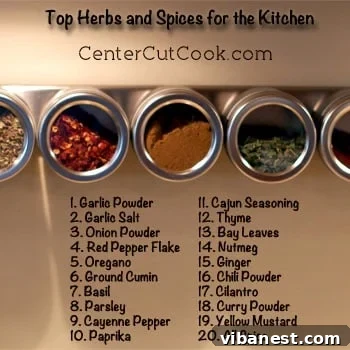
Building Your Essential Spice Arsenal: Top Herbs and Spices for the Kitchen
A well-curated spice collection is the cornerstone of any flavorful kitchen. These essential herbs and spices provide a versatile palette for a wide range of cuisines and cooking styles. Here’s a comprehensive guide to the must-haves, along with their flavor profiles and common uses:
- Garlic Powder: A dehydrated, ground form of garlic, offering a concentrated, savory flavor without the texture of fresh cloves. It’s a staple in rubs, marinades, sauces, and soups, perfect for when you want garlic flavor without moisture.
- Garlic Salt: A convenient blend of garlic powder and salt. Use it to season meats, vegetables, and potatoes, but be mindful of the salt content when adding other seasonings.
- Onion Powder: Similar to garlic powder, this provides a pungent, sweet onion flavor in a convenient dried form. Excellent for savory dishes, dips, dressings, and spice blends where fresh onion might add too much moisture.
- Red Pepper Flake: Also known as crushed red pepper, these flakes bring a moderate heat and subtle fruity notes to dishes. Essential for Italian cuisine, pizzas, pasta sauces, and any dish needing a gentle kick.
- Oregano: A robust, earthy herb with a slightly bitter, peppery flavor. It’s indispensable in Mediterranean and Italian cooking, perfect for tomato sauces, grilled meats, pizzas, and salad dressings.
- Ground Cumin: Possessing a warm, earthy, and slightly smoky flavor, cumin is central to Mexican, Indian, Middle Eastern, and North African cuisines. Use it in chili, tacos, curries, stews, and roasted vegetables.
- Basil: A fragrant, slightly sweet herb with notes of anise and mint. Dried basil is a backbone of Italian cooking, complementing tomatoes, poultry, and vegetables. Fresh basil, while distinct, can be substituted with dried in many cooked applications.
- Parsley: Known for its fresh, slightly peppery, and grassy flavor. Dried parsley is excellent as a garnish or stirred into stews, soups, and vegetable dishes for a bright, clean finish.
- Cayenne Pepper: A finely ground red chili pepper, delivering a strong, straightforward heat. Use sparingly to add a spicy kick to curries, stews, hot sauces, and roasted meats.
- Paprika: Derived from dried bell peppers, paprika offers a range of flavors from sweet and mild to smoky and hot, depending on the variety. It imparts a beautiful color and mild flavor to goulash, chicken, potatoes, and deviled eggs.
- Cajun Seasoning: A fiery and flavorful blend typically including paprika, cayenne, garlic powder, onion powder, and oregano. Perfect for adding a bold, spicy kick to seafood, chicken, rice dishes, and vegetables, embodying the spirit of Louisiana cuisine.
- Thyme: An aromatic herb with a subtle earthy and minty flavor, complemented by floral and peppery notes. It pairs wonderfully with poultry, root vegetables, stews, and roasted dishes.
- Bay Leaves: Whole dried leaves that infuse dishes with a subtle, woodsy, and slightly floral aroma. Essential for long-simmering stews, soups, braises, and stocks; always remember to remove them before serving.
- Nutmeg: A warm, sweet, and aromatic spice with a hint of bitterness. While often associated with sweet baking (pies, custards), it also elevates savory dishes like cream sauces, spinach, and mashed potatoes.
- Ginger: Ground ginger offers a warm, spicy, and slightly sweet flavor. It’s crucial in Asian and Indian cuisines, baked goods (gingerbread, cookies), and savory dishes like stir-fries and marinades.
- Chili Powder: A blend of ground chili peppers, cumin, oregano, and other spices, specifically formulated for chili con carne. It also works well in rubs for meat, tacos, and bean dishes, providing a balanced, savory heat.
- Cilantro: The dried leaves of the coriander plant, offering a bright, citrusy, and slightly peppery flavor. It’s a key ingredient in Mexican, Indian, and Middle Eastern dishes, particularly salsas, curries, and stews.
- Curry Powder: A complex blend of spices, varying by region, but typically including turmeric, coriander, cumin, and fenugreek. It provides a warm, aromatic foundation for curries, stews, and lentil dishes.
- Yellow Mustard: Made from ground mustard seeds, this powder has a pungent, sharp, and slightly bitter taste. It’s a core ingredient in many spice rubs, sauces, dressings, and acts as an emulsifier.
- Allspice: Named for its unique flavor profile, which tastes like a blend of cloves, nutmeg, and cinnamon. Allspice is fantastic in both sweet and savory applications, from baked goods and fruit compotes to jerk chicken and stews.
Beyond the Basics: Expanding Your Culinary Horizons
Once you’ve mastered your essential spice collection and established an efficient storage system, the true joy of cooking unfolds through experimentation. Don’t be afraid to venture beyond these staples. The world is rich with unique flavors waiting to be discovered – from aromatic cardamom and pungent cloves to exotic sumac and earthy za’atar. Start by incorporating one new spice at a time into familiar dishes, or explore recipes from cuisines you’re less familiar with. Online resources, cookbooks, and even culinary blogs can be invaluable guides in this exciting journey. Remember, every new spice you introduce into your kitchen opens a door to countless new flavor possibilities, transforming ordinary meals into extraordinary culinary experiences.
Maximizing Your Spice Collection: Tips for Freshness and Potency
Maintaining the freshness and potency of your spices is just as important as how you store them. Spices don’t necessarily “spoil” in the traditional sense, but they do lose their flavor, aroma, and color over time. Ground spices generally have a shelf life of 2-3 years, while whole spices can last up to 4-5 years. Herbs tend to degrade faster, typically within 1-2 years. Always check expiration dates when purchasing, and make it a habit to sniff your spices periodically. If the aroma is faint or absent, it’s time for a replacement.
Consider buying whole spices when possible. Grinding spices just before use releases their volatile oils, providing a significantly more potent and vibrant flavor than pre-ground varieties. A simple spice grinder (or even a coffee grinder dedicated solely to spices) can elevate your cooking to a new level. While buying in bulk can be cost-effective, it’s only beneficial if you use large quantities frequently. For most home cooks, purchasing smaller amounts ensures freshness and reduces waste, preventing you from holding onto flavorless spices for years.
The Enduring Value of an Organized and Essential Spice Collection
From the initial confusion of a sparsely stocked kitchen to the confident execution of complex recipes, the journey with spices is a testament to culinary growth. By adopting smart storage solutions like the magnetic rack and curating a thoughtful collection of essential herbs and spices, you empower yourself to cook with greater ease, efficiency, and creativity. An organized spice cabinet is more than just tidy; it’s an invitation to explore, experiment, and infuse every meal with personality and unforgettable flavor. Embrace this transformative aspect of cooking, and watch your dishes, and your culinary confidence, flourish.