
Mastering Karaage: Your Ultimate Guide to Irresistibly Crispy Japanese Fried Chicken
There’s a reason why Japanese fried chicken, famously known as Karaage, is a staple on menus at Japanese restaurants worldwide and a beloved dish in homes across Japan. Its perfect blend of juicy, tender chicken enveloped in an exquisitely thin, yet incredibly crunchy and crispy coating, creates an unparalleled culinary experience. If you’ve ever dreamt of recreating that authentic, mouth-watering flavor in your own kitchen, you’ve come to the right place. This comprehensive guide will walk you through every step to achieving Karaage perfection, ensuring each bite is a delightful explosion of savory goodness.
What Makes Karaage So Uniquely Irresistible?
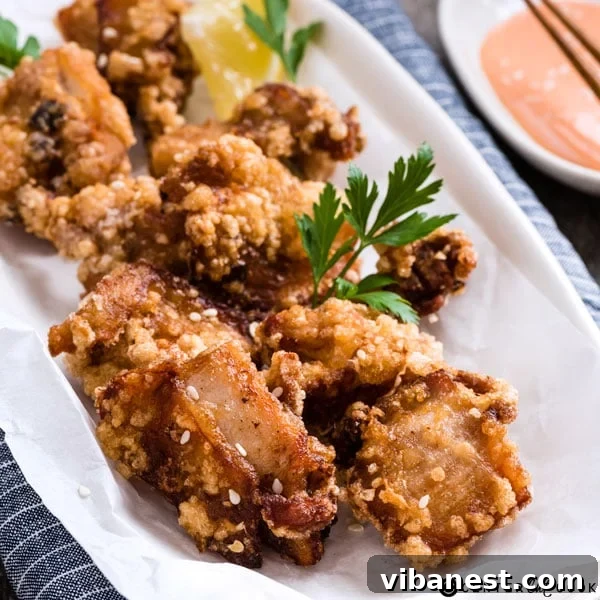
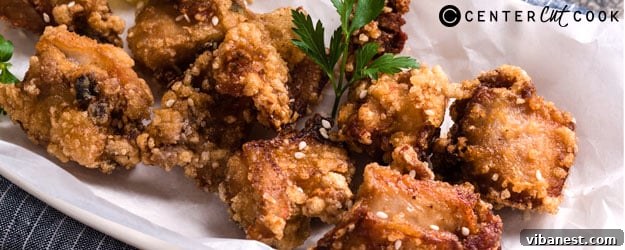
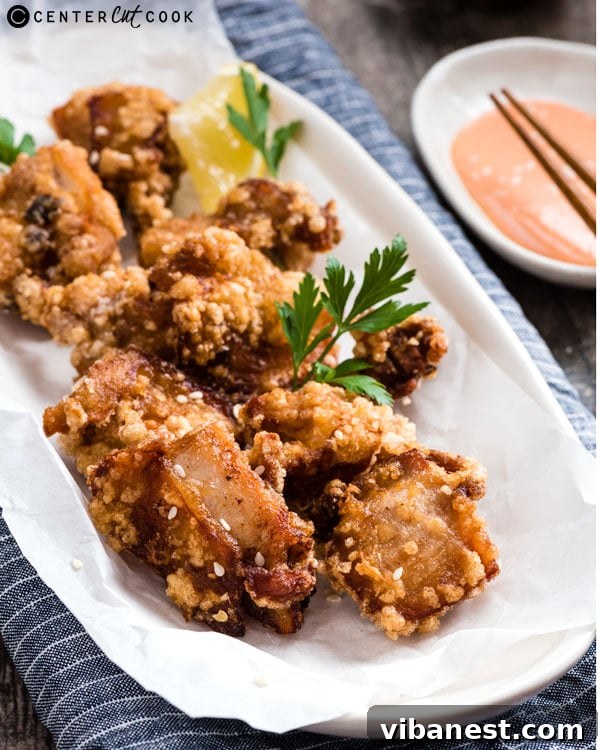
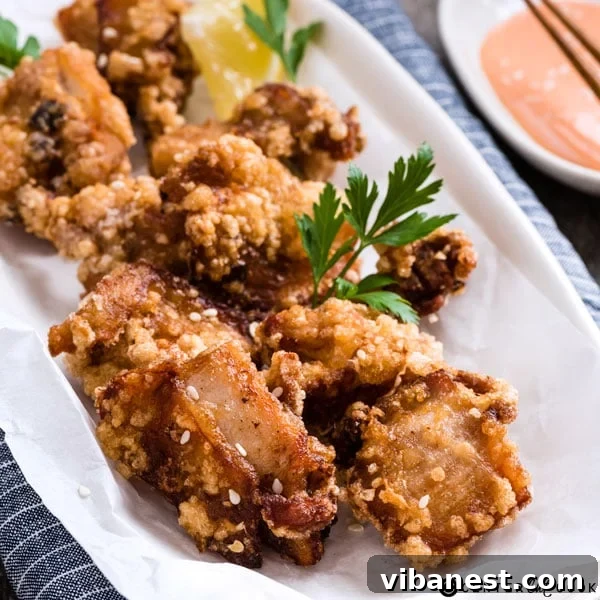
Karaage stands out from other fried chicken varieties due to its distinct preparation and flavor profile. Originating in Japan, this culinary delight involves marinating bite-sized pieces of chicken – traditionally chicken thigh – in a soy sauce-based concoction infused with aromatic ginger and garlic, along with a touch of sake and sugar. The chicken is then lightly coated, most often in potato starch, before being deep-fried to a golden perfection. Unlike the thick, often heavily seasoned crust of Western fried chicken, Karaage boasts a delicate, almost translucent coating that shatters beautifully with every crunch, sealing in the chicken’s natural juices and the deep flavors of its marinade. It’s not just a dish; it’s a testament to Japanese culinary finesse.
The Unrivaled King of Meats: Why Chicken Thighs Reign Supreme for Karaage
For truly authentic and delicious Karaage, the choice of chicken cut is paramount, and chicken thighs are the undisputed champion. Their higher fat content and rich marbling are key to achieving the incredibly juicy and tender texture that defines great Karaage. While chicken breast might seem like a healthier alternative, it simply cannot replicate the silky, succulent mouthfeel that only dark meat provides. The natural moisture in chicken thighs ensures they remain tender even after deep-frying, preventing the dryness often associated with leaner cuts. Using boneless, skin-on chicken thighs is ideal for the most authentic flavor and texture; the fried skin contributes an extra layer of irresistible crispiness that is a hallmark of traditional Karaage. Deboning them yourself can be a rewarding effort, offering a more rustic and flavorful outcome. However, if time is a constraint, boneless and skinless thighs are a perfectly acceptable, albeit slightly less rich, option.
Unlocking Flavor: The Secret to a Perfectly Tender Marinade
The heart of exceptional Karaage lies in its aromatic, tenderizing marinade. This flavorful liquid deeply penetrates the chicken, infusing it with layers of umami and fragrance. Each ingredient plays a crucial role:
- Grated Ginger: Beyond its distinct pungent and warm flavor, ginger contains enzymes that naturally help tenderize the chicken, contributing to its melt-in-your-mouth texture and an added layer of juiciness.
- Garlic Cloves: Finely minced or grated, garlic adds a robust, savory depth that perfectly complements the ginger, creating a harmonious aromatic base for the chicken.
- Japanese Sake: This traditional Japanese rice wine is not just for drinking. In marinades, sake acts as a potent tenderizer, helps to eliminate any gamey odors from the chicken, and enhances the overall umami flavor profile.
- Soy Sauce: The cornerstone of Japanese cooking, soy sauce provides the essential salty, umami-rich foundation for the marinade. It deeply flavors the chicken from within, turning it into a savory delight.
- Sugar: A touch of sugar balances the saltiness of the soy sauce, adds a subtle sweetness that rounds out the flavors, and helps the chicken achieve a beautiful golden-brown color during frying.
- Ground Black Pepper: A pinch of black pepper adds a subtle warmth and mild spice, enhancing the overall complexity of the marinade without overpowering the other delicate flavors.
Combine these ingredients, and you create a symphony of flavors that transforms simple chicken thighs into a culinary masterpiece. Ensure every piece of chicken is thoroughly coated, allowing ample time for the marinade to work its magic – at least 4 hours in the refrigerator or 1 hour at room temperature will yield excellent results, though overnight marination for up to 8 hours will truly maximize flavor and tenderness.
Achieving the Signature Crispy Coating: The Power of Potato Starch
The hallmark of authentic Karaage is its incredibly thin, light, yet supremely crispy coating. This distinctive texture is primarily achieved by using potato starch (katakuriko) rather than typical wheat flour or cornstarch. Potato starch possesses unique properties that make it ideal for frying: it creates a delicate, almost glass-like crust that is remarkably light and non-greasy. Unlike flour, which can result in a thicker, heavier coating, potato starch adheres thinly to the chicken, allowing the marinade’s flavors to shine through while still delivering that satisfying crunch. When coating the chicken, ensure each piece is evenly covered, shaking off any excess starch to maintain that signature thinness. This crucial step is what gives Karaage its beloved textural contrast: tender, juicy chicken encased in an ethereal, golden-brown crisp.
Frying for Perfection: Essential Techniques for Golden Karaage
Frying Karaage to perfection requires attention to detail, but the results are undeniably worth it. The key is to maintain a consistent oil temperature, ideally around 360°F (180°C), throughout the cooking process. Using a reliable deep-fry thermometer can be incredibly helpful.
The most critical technique is to **fry in small batches**. Overcrowding the pan will drastically drop the oil temperature, leading to soggy, greasy chicken that cooks unevenly and loses its crispness. Aim for frying just 5-6 pieces at a time, allowing the oil to recover its temperature between batches. This ensures each piece of Karaage cooks perfectly, achieving that beautiful golden-brown exterior and thorough doneness without overcooking the meat.
Flip the chicken once during frying to ensure even browning on all sides. Once cooked to a vibrant golden hue, remove the Karaage from the oil and transfer it to a wire rack set over a baking sheet. This allows excess oil to drain away, maintaining maximum crispness. Avoid placing freshly fried chicken directly on paper towels for too long, as this can trap steam and make the coating soggy.
For an extra layer of crispiness, some chefs advocate for a **double-frying method**. After the first fry (cooking the chicken through), allow the chicken to rest briefly. Then, increase the oil temperature slightly and briefly fry the chicken a second time for 30-60 seconds until deeply golden and extra crunchy. While optional, this technique takes your Karaage to an even higher level of textural excellence.
Serving Your Homemade Karaage: Beyond the Lemon Wedge
Classic Karaage is often served simply, allowing its incredible flavor to be the star. A squeeze of fresh lemon juice is a traditional accompaniment, its bright acidity cutting through the richness of the fried chicken and awakening the palate. Beyond that, a popular contemporary pairing is Sriracha mayo sauce (a delightful mix of 2 parts mayonnaise to 1 part sriracha), which adds a creamy, spicy kick.
However, the possibilities don’t end there! Karaage is incredibly versatile. It makes a fantastic appetizer on its own, a satisfying component of a Japanese bento box, or a delicious main course served alongside steamed rice, a crisp green salad, or even a side of Japanese curry. For those who enjoy a little extra spice, a sprinkle of Shichimi Togarashi (Japanese seven-spice blend) can add another dimension of flavor. Enjoy your freshly fried Karaage warm, perhaps with a cold beverage and your favorite entertainment, just as you savor the moment of culinary success!
Why Make Karaage at Home?
While ordering Karaage at a restaurant is always a treat, making it at home offers unparalleled satisfaction. You have complete control over the quality of ingredients, ensuring the freshest chicken and premium marinades. You can adjust seasonings to your personal preference, and most importantly, you get to enjoy Karaage straight from the fryer – at its absolute peak of crispiness and juiciness. The aroma filling your kitchen, the sizzle of the oil, and the triumphant first bite of your homemade creation are experiences that store-bought versions simply cannot match. It’s a labor of love that rewards you with an authentic taste of Japan, right in your own home.
INGREDIENTS FOR THE BEST JAPANESE FRIED CHICKEN (KARAAGE)
- 1 pound (approximately 450g) boneless, skin-on or skinless chicken thigh meat, cut into bite-sized pieces
- 1/3 cup (about 40g) potato starch (katakuriko)
- High-heat oil for deep frying (such as vegetable, canola, or rice bran oil)
- 4 lemon wedges, for serving
- (Optional) Sriracha mayo sauce, for dipping (recipe below)
INGREDIENTS FOR THE AROMATIC MARINADE
- 1 tablespoon fresh ginger, finely grated
- 4 cloves garlic, minced or finely grated
- 2 tablespoons Japanese sake (cooking sake is fine)
- 2 tablespoons soy sauce (light or regular)
- 1 teaspoon granulated sugar
- 1/8 teaspoon ground black pepper
STEP-BY-STEP DIRECTIONS TO PERFECT KARAAGE
- In a small bowl, whisk together all the ingredients for the marinade until well combined. Set aside.
- Cut the chicken thighs into even, bite-sized pieces (about 1.5 to 2 inches) to ensure uniform cooking. Transfer the chicken pieces to a large, resealable plastic bag or a shallow bowl.
- Pour the prepared marinade over the chicken. Massage the bag (or mix in the bowl) thoroughly so that all chicken pieces are evenly coated. Squeeze out as much air as possible from the bag and seal it. Refrigerate for at least 4 hours, or for best results, overnight. If you’re short on time, you can marinate at room temperature for 1 hour.
- Add enough oil to a deep pan, Dutch oven, or a flat-bottom wok so that it’s at least 2-3 inches deep. Heat the oil over medium-high heat until it reaches 360°F (180°C). Use a deep-fry thermometer to monitor the temperature accurately.
- While the oil is heating, transfer the marinated chicken to a large bowl. Add the potato starch and toss vigorously until every piece of chicken is thoroughly coated. Shake off any excess starch before frying.
- Carefully place 5 to 6 pieces of chicken into the hot oil at a time. Do not overcrowd the pan, as this will lower the oil temperature and result in less crispy chicken. Fry until the chicken turns a beautiful golden brown, about 3-4 minutes per side. Flip the pieces once during frying to ensure even browning.
- Once cooked, use a spider skimmer or slotted spoon to transfer the Karaage to a wire rack set over a large bowl or baking sheet to drain excess oil. This helps maintain crispness. Allow the oil to return to temperature before frying the next batch.
- Serve the Karaage immediately while warm, garnished with fresh lemon wedges. For an extra treat, mix 2 parts mayonnaise with 1 part sriracha for a delightful dipping sauce.
Recipe inspiration adapted from
Just One Cookbook
With this detailed guide and recipe, you’re now equipped to create truly exceptional Japanese fried chicken at home. Embrace the process, savor the aromas, and enjoy the unparalleled satisfaction of biting into perfectly crispy, juicy Karaage. Happy cooking!