
Classic Homemade Hummus: Effortless Perfection in Minutes
Hummus: it’s a culinary staple that graces tables worldwide, yet often sparks a strong reaction – you either wholeheartedly embrace it, or you simply haven’t found the right one yet. For many, the journey to becoming a true hummus enthusiast begins with a simple, eye-opening experience: trying homemade hummus. If your past encounters with this delightful chickpea dip have been less than stellar, perhaps those encounters involved the pre-packaged variety from the grocery store. Prepare to have your perception completely transformed, because crafting fresh hummus in your own kitchen is not just easy; it’s a revelation.
I once stood firmly in the “hummus skeptic” camp. The store-bought versions often tasted bland, sometimes gritty, and always left something to be desired. Then, I ventured into making my own. The difference was night and day – a smooth, creamy texture, bright, zesty flavors, and an undeniable freshness that simply can’t be replicated by mass-produced options. This recipe is a game-changer, proving that superior taste doesn’t require hours in the kitchen. In fact, you’re just five minutes away from creating a batch of the most delicious classic hummus you’ve ever tasted, right in your high-speed blender.
Why Homemade Hummus Reigns Supreme Over Store-Bought
While the convenience of grabbing a container of hummus off the shelf is undeniable, the trade-off in flavor and texture is significant. Homemade hummus offers an unparalleled freshness that store-bought options simply cannot match, no matter how premium they claim to be. When you make hummus at home, you control every ingredient, ensuring you get the highest quality, freshest produce, and absolutely no artificial preservatives or unnecessary additives. This not only guarantees a purer taste but also offers peace of mind about what you’re putting into your body.
Beyond the pure taste experience, there’s a wonderful satisfaction in preparing your own food. This recipe is so quick and straightforward that it genuinely challenges the convenience argument. Imagine: in less time than it takes to drive to the store, navigate the aisles, and check out, you can have a warm, freshly blended batch of hummus ready to enjoy. The difference in vibrant flavor and silky-smooth consistency will make those five minutes feel like a worthwhile investment every single time. Once you experience the rich, authentic taste of homemade, going back to pre-packaged will feel like a compromise you’re unwilling to make.
The Wholesome Goodness: Health Benefits of Eating Hummus
Hummus isn’t just delicious; it’s a powerhouse of nutrition, making it an ideal choice for a healthy snack, spread, or meal component. At its core, hummus is made from garbanzo beans (chickpeas), which are packed with incredible health benefits. These humble legumes are an excellent source of plant-based protein, crucial for muscle repair and growth, and dietary fiber, which promotes digestive health, helps regulate blood sugar levels, and contributes to a feeling of fullness, aiding in weight management. A single tablespoon of hummus typically contains around 25 calories, making it a satisfying yet calorie-conscious addition to your diet.
Beyond the basics, hummus provides healthy fats from extra virgin olive oil and beneficial minerals such as iron, folate, and magnesium. The combination of protein and fiber helps stabilize energy levels, preventing the sharp spikes and crashes often associated with less nutritious snacks. When paired with fresh vegetables like carrot sticks, cucumber slices, or bell pepper strips, hummus transforms into a perfectly balanced and incredibly satisfying snack that fuels your body with goodness. Moreover, it serves as a fantastic, healthier alternative to mayonnaise or other spreads on sandwiches and wraps, adding a creamy texture and a burst of flavor without the excessive saturated fats. A little dollop truly goes a long way in elevating your everyday meals.
Unveiling the Simple Magic: Essential Hummus Ingredients
The beauty of classic hummus lies in its inherent simplicity. This recipe calls for just six core ingredients, most of which you likely already have in your pantry or can easily find at any grocery store. The true star of the show, of course, is the garbanzo bean, more commonly known as the chickpea. For optimal creaminess and flavor, this recipe intelligently utilizes two cans of garbanzo beans: one drained and rinsed, and one with its liquid (also known as aquafaba). The aquafaba contributes significantly to that wonderfully smooth, almost whipped texture that homemade hummus is famous for, ensuring a luxurious mouthfeel without any added oils or heavy creams.
A Closer Look at the Key Ingredients for Perfect Hummus:
- Garbanzo Beans (Chickpeas): As mentioned, these legumes form the hearty, wholesome foundation of your hummus. Using canned chickpeas offers incredible convenience and efficiency, saving you the lengthy soaking and cooking time typically required for dried beans. If you’re a purist aiming for an ultra-smooth consistency, some connoisseurs recommend gently peeling the outer skin off the chickpeas after rinsing; however, with a powerful blender, this step is entirely optional and often unnecessary to achieve a silky texture.
- Raw Sesame Seeds: This recipe features a distinct approach by calling for raw sesame seeds instead of pre-made tahini (sesame paste). By adding raw sesame seeds directly to the blender with other ingredients, you are essentially creating a fresh, “in-situ” tahini base. As the powerful blades pulverize the seeds with the liquid and other components, they release their oils, forming a remarkably fresh and robust sesame flavor that is often more vibrant than pre-packaged tahini. When sourcing, look for these versatile seeds in the bulk spice section or the international foods aisle of your grocery store; they are often significantly more affordable there than in the smaller, pre-packaged spice jars, making this recipe even more budget-friendly.
- Extra Virgin Olive Oil: Beyond its role as a healthy monounsaturated fat, a good quality extra virgin olive oil contributes significantly to the luxurious smoothness, richness, and overall depth of flavor in the hummus. Choose an olive oil with a pleasant, fruity, or peppery note, as its characteristics will subtly shine through in the final product. It also aids in achieving that perfect creamy consistency.
- Fresh Lemon Juice: The juice from a freshly squeezed lemon is an absolutely non-negotiable ingredient. It provides the essential bright, zesty, and tangy counterpoint that cuts through the richness of the chickpeas and sesame, beautifully balancing and elevating all the other flavors. Bottled lemon juice, while convenient, simply cannot compare in terms of the vibrant, fresh acidity that a real lemon provides.
- Garlic Clove: Just one medium-sized, peeled garlic clove is typically enough to infuse the hummus with its characteristic pungent and aromatic kick. Feel free to adjust the quantity based on your personal love for garlic – some prefer a milder note, while others enjoy a more pronounced garlic presence. Fresh garlic is always superior to powdered for this recipe.
- Ground Cumin: This earthy, warm, and slightly peppery spice is the secret weapon that gives hummus its incredible depth and signature Middle Eastern flavor profile. Using ground cumin ensures that its aromatic notes are integrated seamlessly and evenly throughout the mixture, providing a subtle yet essential aroma and taste that is instantly recognizable as classic hummus.
- Salt to Taste: Essential for proper seasoning. Start with a small amount, blend, and then taste and adjust as needed. Salt truly brings out and enhances all the individual flavors in the hummus, transforming it from good to truly great.
The Power of Your Blender: Achieving Ultimate Hummus Creaminess
The true secret to achieving that truly sublime, velvety smooth, and utterly creamy hummus lies largely in the power and efficiency of your blender. I’ve personally had exceptional results using a high-performance blender like a Vita-Mix, and I can attest to its remarkable ability to transform simple ingredients into a silken dip in mere moments. Blenders such as the Vita-Mix or Blendtec are specifically designed with robust motors and ultra-sharp blades that create an incredibly fine purée, ensuring your hummus is completely free from any grittiness and possesses that coveted, luxurious texture.
If you own one of these powerful machines, you’re in for an absolute treat. The tamper, which often accompanies these blenders, is an invaluable tool for this recipe. It allows you to effectively push ingredients down into the blades without stopping the machine, ensuring everything is consistently incorporated and processed evenly, preventing air pockets and promoting uniform blending. For those using a standard blender, don’t despair! While you might need to blend for a bit longer, scrape down the sides of the blender with a spatula more frequently, and potentially add an extra tablespoon or two of the reserved chickpea liquid (aquafaba) or even a splash of cold water to help the blades catch, you can still achieve a delicious result. The texture might be slightly coarser or require a bit more effort, but the fresh flavor will still be outstanding and far superior to most store-bought options. Experiment and see what works best for your specific equipment, and don’t hesitate to report back your findings and any tips you discover!
This recipe is designed to be generous, yielding approximately four cups of incredibly fresh and flavorful hummus, perfect for sharing at gatherings or stocking up for a week of healthy snacking and meal preparation.
INGREDIENTS FOR CLASSIC HOMEMADE HUMMUS
- 2 cans (15-ounce each) garbanzo beans (chickpeas) – 1 drained and rinsed, 1 with its liquid (aquafaba)
- 1/4 cup raw sesame seeds
- 1 tablespoon extra virgin olive oil, plus more for drizzling
- Juice from 1 medium lemon (about 2-3 tablespoons), freshly squeezed
- 1 large garlic clove, peeled
- 1 teaspoon ground cumin
- 1/2 teaspoon salt, or to taste
DIRECTIONS FOR PREPARING HOMEMADE HUMMUS
- Combine Ingredients: Begin by placing all the ingredients into your high-speed blender. For optimal blending, follow this general order: first the can of garbanzo beans with its liquid (aquafaba), then the drained and rinsed can of chickpeas, followed by the raw sesame seeds, extra virgin olive oil, fresh lemon juice, the peeled garlic clove, and finally, the ground cumin. This layering often helps the blender create a proper vortex, ensuring all ingredients are drawn into the blades effectively for a smooth blend.
- Blend to Perfection: Secure the lid tightly on your blender and turn the machine on to a high speed setting. If you are using a powerful blender like a Vita-Mix, utilize the tamper to carefully and consistently push all the ingredients down towards the spinning blades. This action ensures that everything is thoroughly incorporated and processed evenly, preventing any large chunks from remaining. Continue blending for approximately 60 to 90 seconds, or until the hummus is exceptionally smooth, creamy, and entirely free of any visible chunks or grittiness. Pause and scrape down the sides of the blender with a spatula if necessary to ensure uniform blending and achieve that desired silky texture.
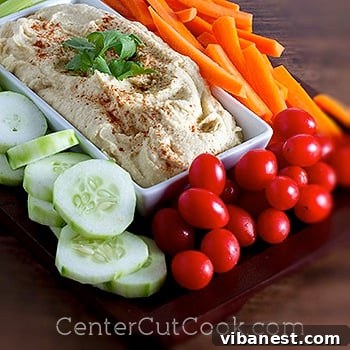
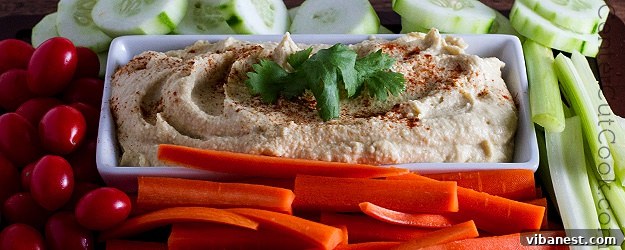
- Season and Serve: Once blended, taste the hummus. Adjust the seasoning by adding more salt if desired, or a bit more lemon juice for extra tang. For a truly authentic and visually appealing finish, transfer the freshly made hummus to a serving bowl. Create a shallow well in the center of the hummus, and drizzle generously with additional high-quality extra virgin olive oil. For an optional decorative and flavorful touch, you can sprinkle a dash of paprika, sumac, or some freshly chopped parsley over the top. Serve immediately and enjoy the incomparable taste of homemade!
Serving Suggestions & Creative Uses for Your Hummus
Once your fresh, creamy hummus is ready, the possibilities for enjoying it are virtually endless! The most classic and beloved pairing is, of course, with warm pita bread or crunchy pita chips, perfect for scooping up every last bit of its deliciousness. But don’t limit yourself there. Hummus is an incredible dip for an array of fresh, vibrant vegetables, including crisp cucumber slices, crunchy carrot sticks, colorful bell pepper strips, crisp celery stalks, juicy cherry tomatoes, and thinly sliced radishes, transforming a simple snack into a vibrant, nutrient-rich experience.
Beyond dipping, hummus shines as an incredibly versatile ingredient in various dishes. Spread it generously on sandwiches, wraps, and bagels as a flavorful, healthier, and dairy-free alternative to traditional spreads like mayonnaise or cream cheese. Use it as a base for homemade salad dressings, thinning it slightly with a touch of water or extra lemon juice for a creamy, tangy, and protein-packed dressing. It also makes a wonderful accompaniment to grilled meats, falafel, roasted vegetables, or as a flavorful spread on toasts and crackers, adding a rich, earthy dimension to your meals. Don’t be afraid to get creative – it can even be swirled into hearty soups for added creaminess or used as a unique and wholesome base for a quick pizza or flatbread topping!
Storing Your Homemade Hummus for Lasting Freshness
To ensure you can enjoy your freshly made hummus for days to come, proper storage is key. Transfer the hummus into an airtight container and store it in the refrigerator. Before sealing the container, a helpful tip is to pour a thin, even layer of extra virgin olive oil over the surface of the hummus. This acts as a natural barrier, helping to prevent the hummus from drying out, forming a crust, and oxidizing, which can affect its color and flavor. Properly stored, homemade hummus typically stays fresh and delicious for about 3 to 5 days in the refrigerator. If you notice any sour smell, unusual discoloration, or mold, it’s always best to err on the side of caution and discard it. While some people do freeze hummus, it can sometimes alter the texture upon thawing, making it a bit grainier. For the absolute best experience, we recommend enjoying your fresh batch within a few days of preparation.
Recipe inspiration proudly adapted from the
Vita-Mix Cookbook
Final Thoughts: Embrace the Homemade Hummus Difference
There you have it – a straightforward, incredibly fast, and undeniably delicious recipe for classic homemade hummus that promises to elevate your snacking and meal preparation game. Moving away from store-bought dips and embracing the simplicity and freshness of making your own is a rewarding culinary journey that pays dividends in both taste and health. This recipe not only delivers on an unparalleled taste and texture but also offers the invaluable peace of mind that comes with knowing exactly what’s in your food, free from preservatives and artificial ingredients.
So, gather your simple ingredients, fire up your high-speed blender, and prepare to fall in love with hummus all over again. You might just find yourself happily dedicating those five minutes every week to whip up a fresh batch of this creamy, healthy perfection. It’s more than just a dip; it’s a lifestyle upgrade. Share your creations, experiment with serving ideas, and savor the incredible taste of truly fresh, homemade hummus!