
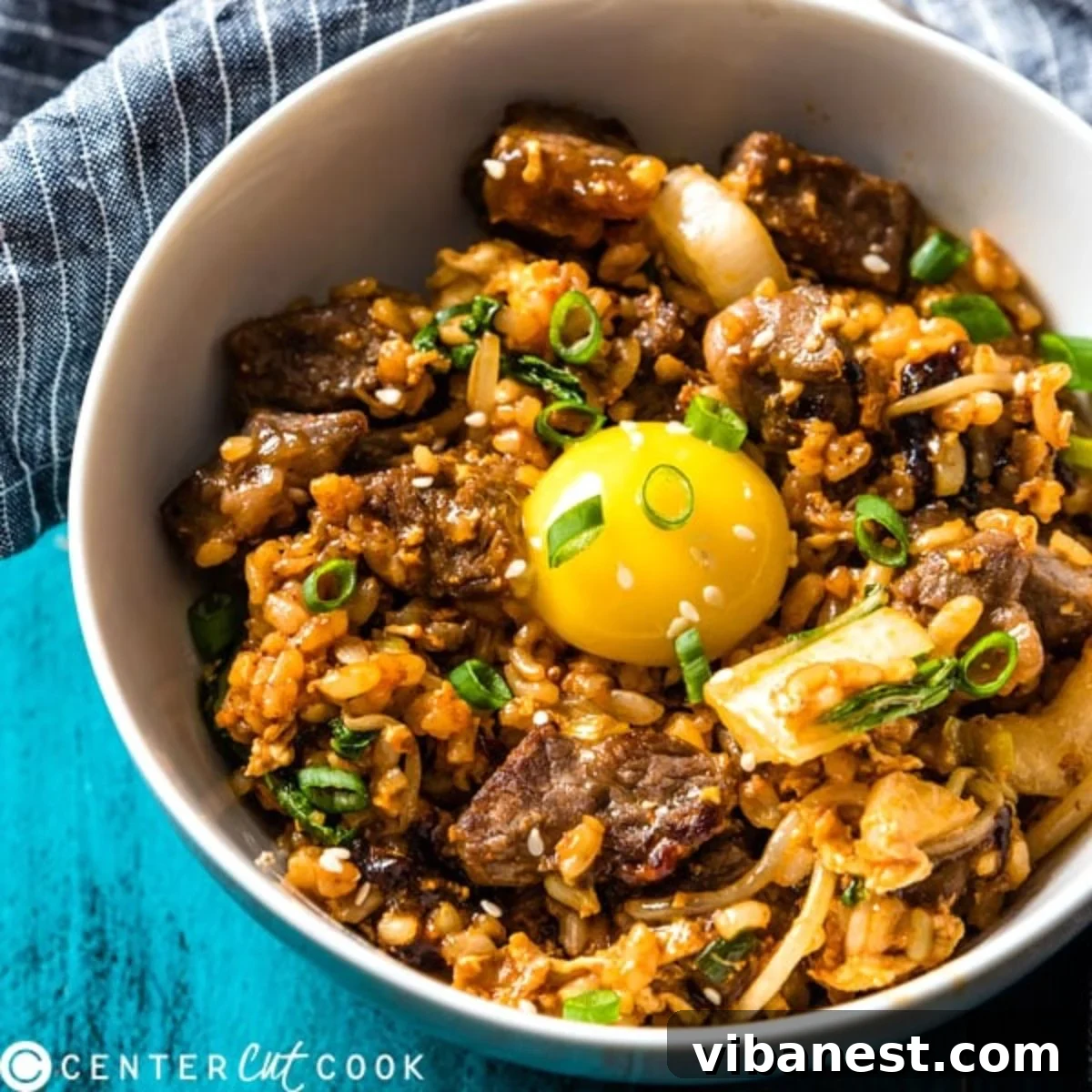
Korean Beef Fried Rice: A Flavorful, Speedy Weeknight Meal
Craving an unforgettable meal that’s both quick to prepare and bursting with flavor? Look no further than this incredible Korean Beef Fried Rice. A truly satisfying dish that rivals the popularity of its cousin, Bibimbap, this recipe promises a delightful culinary experience without the fuss. It’s not just better; it’s an entirely unique and equally delicious adventure for your taste buds, perfect for any lunch or dinner occasion.
Fried rice has earned its place as a staple in countless kitchens worldwide, and it’s a frequent star on our weekly menu. Its universal appeal lies in its simplicity and versatility. Not only is it incredibly easy and quick to whip up, but it’s also a fantastic solution for transforming various leftovers lurking in your fridge into a fresh, delectable meal. The magic of fried rice is in its ability to be both a canvas for culinary creativity and a comforting, wholesome dish.
Among the many variations, this Korean-style beef fried rice stands out. It harnesses the vibrant power of Korean hot pepper paste, known as Gochujang, to infuse the dish with a rich, complex, and utterly scrumptious flavor profile. This one-pan wonder can be on your table in just about 20 minutes, making it an ideal choice for busy weeknights. While it shares some ingredient similarities with the iconic Bibimbap, our fried rice offers a different kind of charm – a perfectly cooked, intensely flavorful rice experience that doesn’t require a traditional stone bowl to achieve that coveted char.
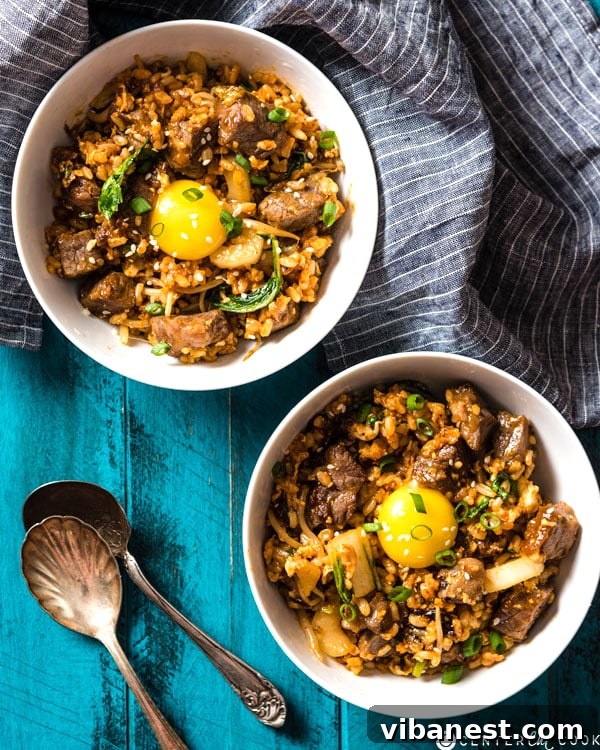
The Secret to Sizzling Flavor: Why This Recipe Shines
Versatile Protein Choices for Every Palate
While this recipe highlights beef, its adaptable nature allows you to incorporate almost any protein you prefer. Chicken breast, pork tenderloin, or even ground turkey are excellent alternatives, each bringing its own unique texture and subtle flavor to the dish. However, if you’re aiming for the most authentic and satisfying experience, we highly recommend using beef. Specifically, beef short ribs are a fantastic choice. They are often more economical than other cuts, yet boast a beautiful marbled texture that translates into exceptionally tender and juicy pieces of beef when cooked correctly. This marbling ensures a rich flavor and a melt-in-your-mouth quality that truly elevates the fried rice.
Mastering the Marinade: The Key to Tender Beef
To achieve perfectly cooked, flavorful beef, a crucial step is marination. Before it even hits the pan, the beef is bathed in a simple yet effective mixture of soy sauce, rice wine (such as Japanese sake), and cornstarch. Each component plays a vital role:
- Soy Sauce: Imparts a deep, savory umami flavor and aids in achieving a beautiful, caramelized browning on the beef’s exterior during cooking.
- Rice Wine (Sake): Adds a subtle sweetness and depth of flavor, while also acting as a tenderizer, helping to break down the beef fibers for a more succulent result.
- Cornstarch (or Potato Starch): This is the secret weapon for creating that desired tender, almost velvety texture. It forms a thin, protective layer around each piece of beef, preventing it from overcooking and locking in moisture. This technique, often referred to as “velveting,” ensures your beef remains juicy and tender, even with high-heat stir-frying.
Allowing the beef to marinate for even a short period, typically 10 minutes, makes a significant difference in both flavor absorption and texture.
The Art of Perfect Fried Rice: Essential Stir-Frying Techniques
Creating exceptional fried rice isn’t just about the ingredients; it’s about the technique. Here are the golden rules to ensure your fried rice is never soggy, always flavorful, and boasts that ideal slightly crispy texture:
- Don’t Overcrowd the Skillet: This is arguably the most critical rule. Think of it like pizza toppings – less is often more. Overcrowding lowers the pan temperature, causing ingredients to steam rather than fry. This leads to soggy rice and bland flavors. Always ensure there’s enough space for ingredients to make direct contact with the hot surface.
- Use a Large Nonstick Skillet or Wok: A spacious cooking surface is essential. Even if you’re only cooking a small batch, opt for a large nonstick skillet or a traditional wok. A nonstick surface prevents sticking and ensures even cooking, while a wok’s sloped sides are ideal for tossing and distributing heat.
- Listen for the Sizzle: A constant, vibrant sizzling sound throughout the cooking process is your indicator that the pan is hot enough and the ingredients are truly frying. If the sizzle fades, your pan temperature has dropped, and you might need to adjust the heat or remove some ingredients temporarily.
- Cook Thoroughly, Evaporate Moisture: Each ingredient needs to be cooked until tender-crisp and any excess liquid has evaporated. This is especially true for the rice itself. Lingering moisture is the enemy of crispy fried rice. Continuously stir and chop the rice with your spatula to break up clumps and expose all grains to the heat, ensuring a perfectly dry and fluffy result.
- Use Day-Old Rice: This often-repeated tip is a game-changer. Leftover, chilled rice has less moisture content than freshly cooked rice. This lower moisture content prevents the rice from clumping and becoming mushy when stir-fried, allowing it to achieve that desirable crispy texture.
Ingredient Spotlight: Building the Flavors of Korean Beef Fried Rice
The Star Seasoning: Gochujang
Gochujang, a savory, sweet, and spicy fermented Korean chili paste, is the absolute heart of this dish’s unique flavor. Its rich umami depth and vibrant red hue transform simple fried rice into an extraordinary culinary experience. The paste offers a complex heat that is more nuanced than just simple spice, providing a delightful warmth that perfectly complements the savory beef and fresh vegetables. Don’t be shy with it; it’s what gives this fried rice its signature Korean character.
Fresh & Flavorful Vegetables
Beyond the beef and rice, a selection of fresh vegetables adds texture, nutrients, and visual appeal. This recipe calls for:
- Green Onions (Scallions): Used both as an aromatic at the start of cooking and as a fresh, vibrant garnish, green onions add a mild oniony bite and bright color.
- Bean Sprouts: These delicate, crunchy sprouts offer a refreshing texture contrast and a subtle, earthy flavor. They cook quickly, adding freshness without becoming soggy.
- Bok Choy Leaves: (or spinach or mustard greens) provide a tender, slightly bitter counterpoint to the rich flavors. They wilt beautifully into the rice, offering a healthy green element. Feel free to substitute with other quick-cooking greens like spinach or napa cabbage.
For even more color and nutrition, consider adding other quick-cooking vegetables like diced carrots, peas, or bell peppers.
The Essential Eggs
Eggs are a classic component of fried rice, adding richness and protein. In this Korean beef fried rice, they can be incorporated in a couple of ways:
- Scrambled and Mixed In: The most common method, where beaten eggs are quickly scrambled in the hot pan and then mixed throughout the rice.
- Raw Yolk Topping: For an extra layer of decadence and a nod to Bibimbap, separating the egg yolks and topping the finished fried rice with a glistening raw yolk creates a creamy, rich texture when broken and mixed in just before eating.
Balancing the Flavors
A few other ingredients are crucial for rounding out the taste profile:
- Oil: Essential for stir-frying, use a high smoke point oil like vegetable, canola, or grapeseed oil.
- Soy Sauce: Beyond the marinade, a touch more soy sauce seasons the rice and vegetables.
- Sugar: A small amount of sugar helps to balance the savory and spicy notes of the gochujang, enhancing the overall harmony of flavors.
- Sea Salt: Used to taste, ensuring the dish is perfectly seasoned.
- Toasted Sesame Seeds: An optional but highly recommended garnish, adding a nutty aroma and pleasant crunch.
Korean Beef Fried Rice Recipe
This quick and easy Korean Beef Fried Rice is a perfect dish for lunch or dinner. If you enjoy the flavors of Korean Bibimbap, you absolutely must try this one – it’s a flavor explosion!
Prep Time: 10 minutes
Cook Time: 10 minutes
Total Time: 20 minutes
Ingredients
Marinade Ingredients
- 1/2 pound beef short rib, cut into 1/2-inch cubes
- 1 tbsp soy sauce
- 1 tbsp Japanese sake (rice wine)
- 1 tbsp potato starch or cornstarch
Stir Fry Ingredients
- 3 tbsp oil (vegetable, canola, or grapeseed)
- 2 green onions, chopped
- 1 tbsp gochujang (Korean hot pepper paste)
- 2 cups cooked rice (leftover, day-old rice works best)
- 2 eggs
- 1 cup bean sprouts
- 2 pieces bok choy leaves, chopped (or spinach or mustard greens)
- 2 tsp soy sauce
- 1 tsp sugar
- Sea salt to taste
- Toasted sesame seeds for garnish (optional)
Instructions
- Marinate the Beef: In a medium bowl, combine the beef short rib, 1 tbsp soy sauce, Japanese sake, and potato starch. Mix thoroughly until the beef pieces are evenly coated. Set aside to marinate for at least 10 minutes while you prepare other ingredients.
- Prepare Eggs (Optional Yolks): If you plan to serve the fried rice with raw egg yolks on top (Bibimbap style), carefully separate the egg whites from the yolks. Keep yolks aside in small bowls. If not, simply beat the two whole eggs lightly.
- Sear the Beef: Heat 1 tablespoon of oil in a large nonstick skillet or wok over medium-high heat until it’s shimmering. Add the marinated beef short ribs in a single layer. Let them cook undisturbed for about 20 seconds to develop a nice crust. Then, stir and cook until the beef is beautifully browned on all surfaces. It’s acceptable if the center is still a bit pink, as it will continue to cook slightly when added back to the rice. Transfer the seared beef to a clean plate and set aside.
- Sauté Aromatics: Add another 1 tablespoon of oil to the same skillet, reducing the heat to medium. Add the chopped green onions. Stir-fry for a minute or two until they become fragrant and slightly softened.
- Introduce Gochujang and Rice: Add the gochujang to the skillet and stir for a few moments to allow its flavors to bloom. Then, add the cooked rice. Using your spatula, stir and chop the rice, breaking up any clumps, until it is fully separated and evenly coated with the spicy gochujang sauce. Ensure all grains are well mixed and heated through.
- Incorporate Eggs: Push the rice mixture to one side of the skillet, creating an empty space. Add the remaining 1 tablespoon of oil to this clear section. If you separated the yolks, pour the egg whites into the oil and let them cook for a few seconds until the bottom begins to set. Scramble the whites and then mix them thoroughly with the rice. If using whole eggs, beat them and add them to the empty side, scrambling and then mixing into the rice.
- Add Vegetables: Again, push the entire rice mixture to one side of the skillet. Add the bean sprouts and chopped bok choy (or your chosen greens) to the empty side. Stir-fry the vegetables until they are tender-crisp but still retain a slight bite, usually a couple of minutes.
- Final Seasoning and Combine: Swirl in the 2 tsp of soy sauce and 1 tsp of sugar over the vegetables and rice. Return the seared beef to the skillet. Stir and mix all the ingredients together thoroughly, ensuring everything is well combined and heated through.
- Adjust Seasoning and Serve: Remove the skillet from the heat. Taste a spoonful of the fried rice and adjust seasoning with a pinch more sea salt if needed. Mix again. Transfer the hot Korean Beef Fried Rice to individual serving bowls.
- Garnish (Optional): If you saved the egg yolks, carefully place one raw yolk on top of each serving of fried rice. Garnish with additional chopped green onion and a sprinkle of toasted sesame seeds for a beautiful finish and added flavor. Serve immediately and enjoy!
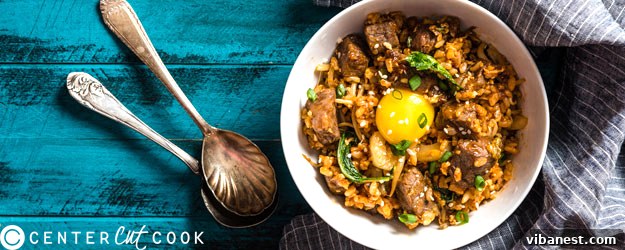
Customizing Your Korean Beef Fried Rice Experience
One of the best aspects of fried rice is its incredible flexibility. While this recipe provides a fantastic foundation, don’t hesitate to make it your own!
- Spice Level: Adjust the amount of gochujang to suit your preference. Use less for a milder flavor, or add a bit more for a bolder, spicier kick.
- Vegetable Medley: Experiment with different vegetables. Diced carrots, frozen peas, corn, mushrooms, bell peppers, or even kimchi can be wonderful additions. Add harder vegetables earlier in the cooking process to ensure they soften adequately.
- Extra Umami: A drizzle of sesame oil at the very end, just before serving, adds a fantastic nutty aroma and deepens the Korean flavor profile.
- Nuts and Seeds: Beyond sesame seeds, crushed peanuts or cashews can add an interesting textural element.
- Serving Suggestions: This fried rice is a complete meal on its own, but it also pairs wonderfully with a side of simple cucumber salad, pickled radishes, or a clear soup.
This Korean Beef Fried Rice offers a delightful blend of savory, spicy, and subtly sweet flavors, all in a quick-to-prepare package. It’s a testament to how simple ingredients, combined with good technique, can create an exceptionally satisfying meal. Whether you’re a seasoned cook or just starting out, this recipe is sure to become a cherished addition to your culinary repertoire. Happy cooking, and prepare to impress your taste buds!